Use the filters to browse the information we have available or to narrow your search results for a specific audience (e.g. caregivers, military, children), a preferred type of content (e.g. videos, blogs, articles), or by topics of interest (e.g. family concerns, legal issues, symptoms).
The Veterans Health Administration continues researching ways to reduce the impact of the most serious injuries U.S. troops suffered in conflicts in both Afghanistan and Iraq.
Last month, I marked a significant milestone in my life as I celebrated 30 years of sobriety. And, in what amounts to a “whoever would have thought it,” moment, being a sober person in recovery has made my brain injury journey easier. In fact, it literally saved my life.
As my 60th birthday approaches, the internal emotions are ramping up. Over the years, I’ve heard the saying that health is one of those things you never fully appreciate until it’s gone. While this is definitely true, most often it’s used in reference to physical health. But what happens when your mental health is compromised?
The events taking place in the news may be triggering to many in our BrainLine community. If you need to talk, you are not alone. There are resources available now. Please reach out to these crisis lines.
The introduction of COVID-19 to the human population around December 2019 has resulted in a pandemic that continues to affect the entire world. While the research to date has focused on potential neurological impairment to COVID-19 patients, little attention has been placed on the effects of the fallout caused by COVID-19 on individuals who are living with brain injury. Specifically, the pandemic has resulted in job loss, social isolation, interruptions to routine, and a need to adjust previously successful compensatory strategies, all highlighting some of these unique challenges. The general population has experienced the same issues. However, individuals with brain injury were already experiencing these prior to the pandemic.
Here’s a TBI mind-twist: Looking forward to a holiday that just passed. All but forgetting that it’s already in the rearview mirror. “How does that work?” You might be asking.
Luego de sufrir un trauma, los sobrevivientes a menudo dicen que su primera sensación es sentirse aliviados por estar vivos. Esto podría estar seguido por estrés, miedo e ira. Los sobrevivientes de un trauma también podrían descubrir que son incapaces de dejar de pensar en lo que ocurrió. Muchos sobrevivientes presentan un alto grado de alerta, lo que hace que reaccionen intensamente ante los sonidos e imágenes a su alrededor.
Most people have stress reactions after a trauma. Having such a reaction has nothing to do with personal weakness. Stress reactions may last for several days or even a few weeks. For most people, if reactions or symptoms that feel like PTSD occur, they will slowly decrease over time.
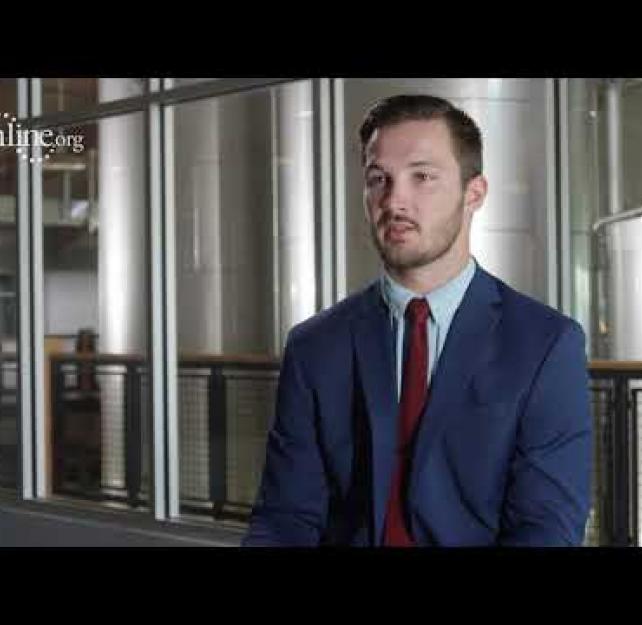
Connor Martin and his family donated his brother Kevin Ash's and evidence of CTE was discovered, a condition that can only be diagnosed after death. Kevin's family encourages others to donate as well so we can learn more about brain injuries and CTE.
Would Connor Martin's brother, veteran and athlete Kevin Ash, have lived his life differently if he'd know more about traumatic brain injury? Connor doesn't think so. But Connor knows the dangers now and he tries to make things safer when he's active.
Connor Martin believes that donating his brother Kevin Ash's brain made a difference in how his family coped with Kevin's altered behavior and death after receiving traumatic brain injuries (TBIs).
Kevin Ash, a veteran, felt strongly about helping others. His brother Connor Martin knows Kevin would be proud to continuing helping others even after his death by raising awareness of TBI, CTE, and brain donation.
Connor Martin's brother, veteran and athlete Kevin Ash, returned from his deployments changed. He sought help and his mother fought for him, but they never found what he needed.
Connor Martin talks about donating his brother Kevin Ash's brain for study. Kevin was a veteran and an athlete who began exhibiting personality changes and his family wanted to understand what had happened, even if it was after his death.
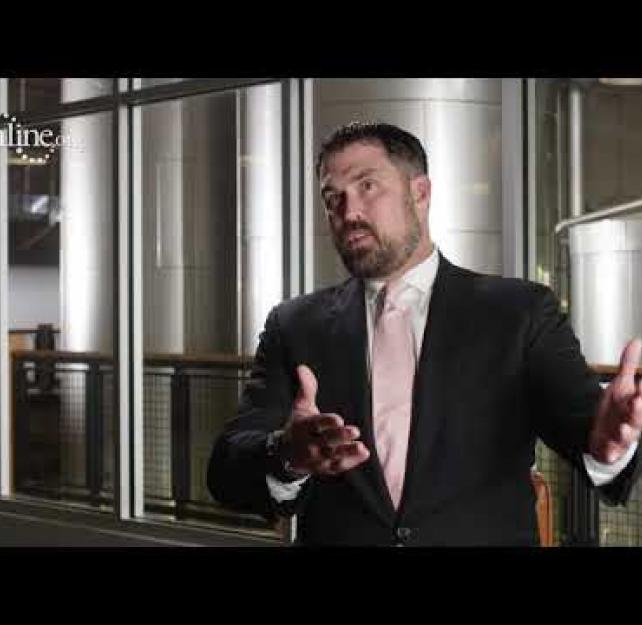
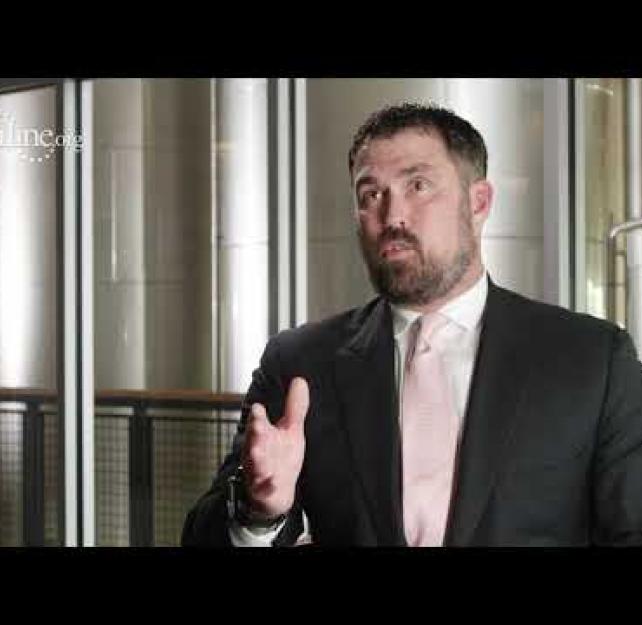
Transitioning from military to civilian life can be jarring and can sometimes lead to suicide, but veteran Morgan Luttrell says to stick it out. Take the reins, find the help you need, and commit to it.
Veteran Morgan Luttrell wasn't interested in focusing his studies on brain injuries, but he quickly became a resource for those who had questions. Soon he was helping others by sharing his experiences and connections.
Veteran Morgan Luttrell believes the Department of Veteran's Affairs (VA) is not built to handle the complex symptoms and treatments related to brain injury. Will they catch up or go under?
Veteran Morgan Luttrell traveled the country looking for help after the injuries to his brain and body. He found the most with Dr. James Kelly at the National Intrepid Center of Excellence (NICoE). They provided him with a whole picture and a plan.
Veteran naval officer Morgan Luttrell has always taken his responsibilities seriously. Responsibility for the men and women under his command. Responsibility to his country. Responsibility to his family. When he felt his brain injury might negatively impact that he took action.