Use the filters to browse the information we have available or to narrow your search results for a specific audience (e.g. caregivers, military, children), a preferred type of content (e.g. videos, blogs, articles), or by topics of interest (e.g. family concerns, legal issues, symptoms).
These are difficult times. Life is challenging enough for the fully-abled, but add a traumatic brain injury to the mix, and things can get downright overwhelming.
Every year since my 2010 traumatic brain injury, I’ve taken the time to reflect back on changes that have come to pass during the prior year. This past year was no different, although what my reflection showed was not what some may call progress. Progress is not always measured with tangible facts.
Members of the medical community literally take their lives in their hands every day they go to work. It’s hard not to feel a bit humbled by that courage. My first face-to-face encounter with First Responders was just over a decade ago. In November of 2010 fate saw fit that most of the First Responders from our Main Street Fire Station and I would meet.
Dr. Ann McKee, Director of the VA-BU-CLF Brain Bank, explains what CTE is, what causes it, how it spreads, its symptoms, and how the disease is diagnosed.
Language is an essential part of our lives that we often take for granted. But, if the delicate web of language networks in your brain became disrupted by stroke, illness, or trauma, you could find yourself truly at a loss for words. Susan Wortman-Jutt details a disorder called aphasia, which can impair all aspects of communication.
In just a few days, the ten year anniversary of my cycling accident will be here. I have come a long way since everything changed in 2010. But just because things are okay most of the time does not mean that my brain injury disappeared.
Living under the shadow of a global pandemic, protests, natural disasters, and a contentious political landscape means our lives are full of stress and anxiety. While all of this weighs heavily on most anyone, it is those of us within the brain injury community that pay a higher premium.
I have been living as a brain injury survivor for almost a decade. Today I am sitting in my office, a busy day of work ahead of me. Never one to miss deadlines, I blocked off some time to let you know how I’m doing — how I am REALLY doing.
From all aspects of the pandemic, societal as well as scientific, we are still only months into learning the full scope of life after COVID-19. But I have a feeling that some people may be dealing with cognitive challenges for the rest of their lives.
I have asked BrainLine to allow me to share this letter in place of my regular blog. It feels more important than ever that we not be silent about the things that matter.
COVID-19 has ended those routines that made getting through the day so much easier for someone with brain injury. The effects have been challenging on some days and completely devastating on others.
The pandemic has changed the daily lives of everyone. How we work, how we shop, and how we interact with each other are all shifting. Comparing life as it is now with how it used to be can lead to sadness or despair and what's called "ambiguous loss."
A recent study conducted by researchers at New York University and published in the Journal of the American Medical Association (JAMA) has led many to believe the leading evidence-based psychotherapies for PTSD do not work for up to two-thirds of patients.
Our findings at Wounded Warrior Project® (WWP) show very different results.
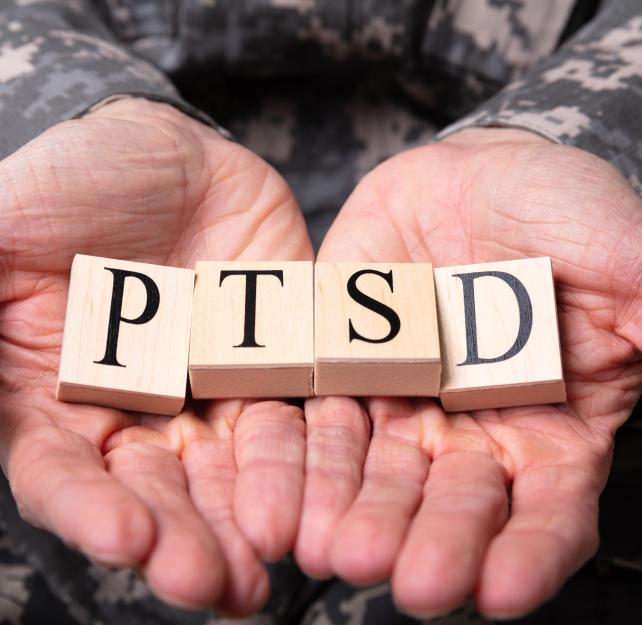
When I was struck by a teenage driver back in 2010, I sustained a traumatic brain injury. In addition to my TBI, four new letters became forever intertwined with my brain injury: PTSD. Over the years, PTSD has proven to be harder to live with than a brain injury.