

 Tap into Your Emotions After Brain Injury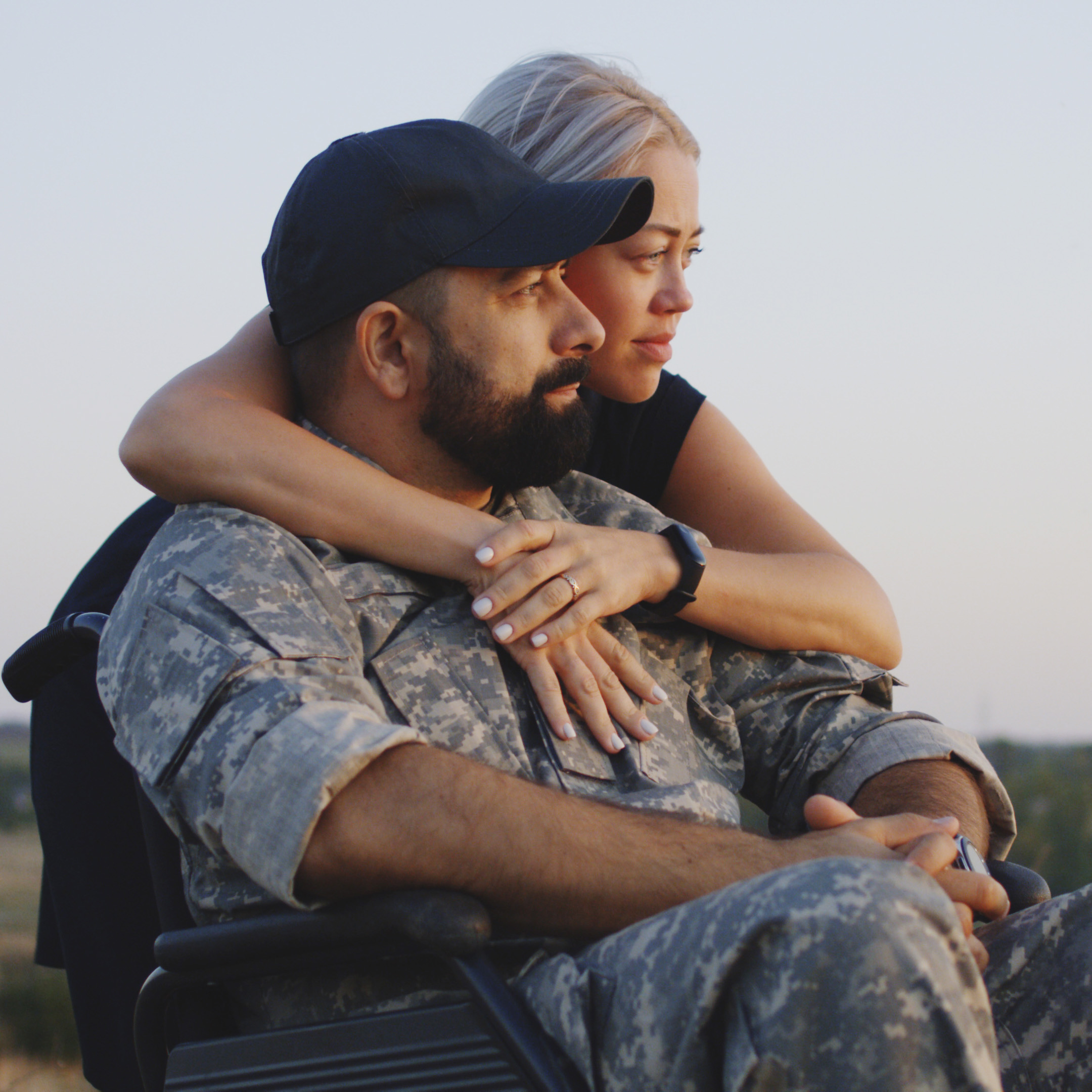
It can be challenging to understand a loved one with a brain injury who is struggling to control or even feel their emotions. And you won’t be surprised to know it can affect your relationship with them.
The condition of alexithymia is not your loved one’s fault. But it can take a lot of patience and love to help them deal with it.
Common Signs and Symptoms of Poor Emotional Awareness
Here are some signs you might see if your loved one struggles with emotional awareness.
- They may rarely talk about or consider what they, or other people, are feeling.
- When asked how they feel, they may say, “I don’t know,” “confused,” or “indifferent.”
- They may feel numb or report that they no longer feel emotions, or that they do not experience emotions the way they used to. They might say things like, “I know I should be sad, but I’m just not.”
- They may not show much emotion on their face or in their voice. It may be difficult to figure out how they really feel from their facial expressions, tone of voice, or actions.
- They may be less affectionate.
- For some, it may seem that anger is the only emotion they can feel or express.
- They may avoid social interaction or become isolated.
- When they interact with others, they may seem emotionally distant, disconnected, or uninterested in social situations
Ways that Alexithymia can Affect Daily Life
- Emotional Management: Alexithymia can make it harder to manage emotions because the person might not be aware of the emotion or what they are feeling.
- Mood and Psychological Health: It can make it harder for them to deal with stress because they do not have the tools to process their feelings in response to stressful events. They may be less likely to talk through what they are going through with others. They may sometimes engage in unhealthy habits (like drinking, drugs, and unsafe behaviors) to cope. When emotions are not properly dealt with, they can fester and may evolve into more serious problems like anxiety, depression, aggression, post-traumatic stress, social isolation, or suicidal ideation.
- Motivation and Behavior: Emotions play a big part in motivating us to do things that are expected to make us feel good. Likewise, they stop us from doing things that we know will lead to a consequence that will make us feel bad. As such, people that have poor insight into their emotions may have a hard time being motivated or figuring out what to do because there is no or little emotional incentive.
- Relationships: Alexithymia can make it hard to emotionally connect with others, which can strain relationships. This can lead to social isolation and or loneliness even when surrounded by others.
Alexithymia after a brain injury can make emotions confusing or hard to express. With patience, practice, and support — and the tips in this guide — you can help your loved one learn to notice, name, and share feelings again. These skills can improve relationships, reduce stress, and support recovery.
This work is supported by the Congressionally Directed Medical Research Programs/Traumatic Brain Injury and Psychological Health Research Program: Award No. W81XWH-22-2-0064, HT94252510889; the National Institute on Disability, Independent Living, and Rehabilitation Research: Grant# 90DPTB0002, 90DPTB0022; and the Department of Physical Medicine and Rehabilitation at Indiana University School of Medicine.