Use the filters to browse the information we have available or to narrow your search results for a specific audience (e.g. caregivers, military, children), a preferred type of content (e.g. videos, blogs, articles), or by topics of interest (e.g. family concerns, legal issues, symptoms).
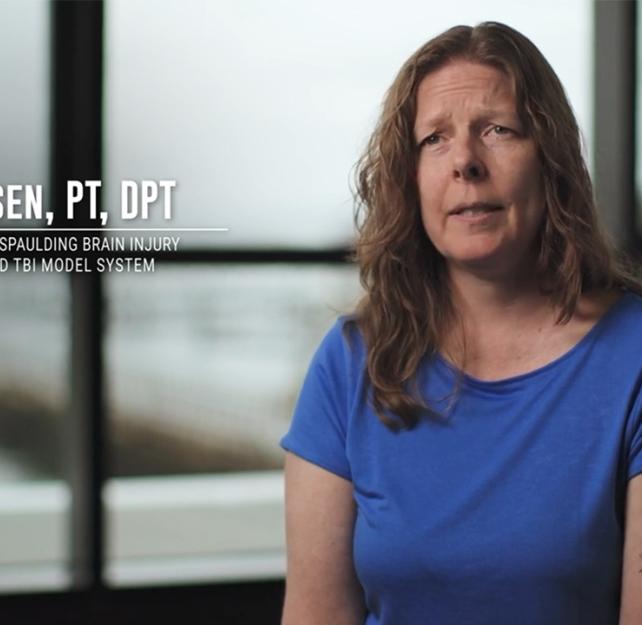
In this video, Beth Hansen, PT, DPT, explains what families should look for when choosing an inpatient rehabilitation program for someone with a disorder of consciousness.
A gentleman asked me, “Looking back at the beginning of your journey, what could have been done on the healthcare team's end to help you?” Taking a deep breath, I realized the question was an open door. I wasn’t sure I felt fully prepared to walk through it. I’ve pondered this question since then and want to share five qualities of healthcare providers that left an impression on me.
I’ve kept in touch with a handful of healthcare professionals I had met in the early days of Taylor’s ordeal. These people not only taught me about the physical effects of brain injury and ways to participate in Taylor’s care, but they also taught me another invaluable lesson: the art of letting go.
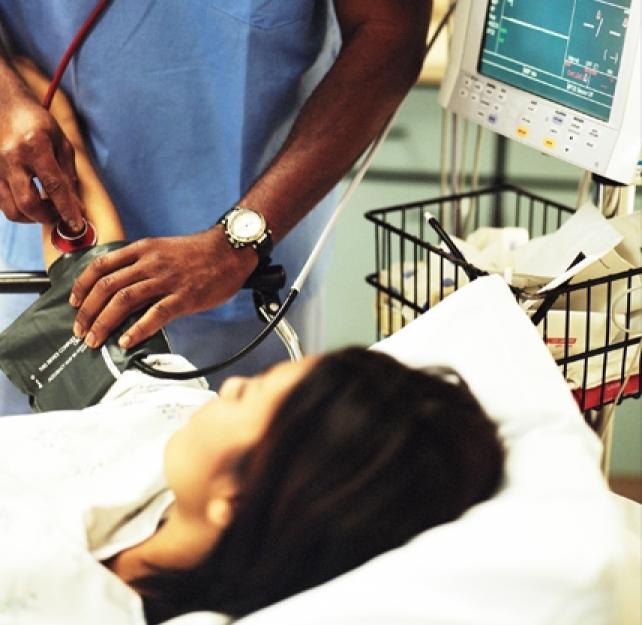
Hospital care after someone has a traumatic brain injury can run the gamut from a quick neurological checkup and perhaps an MRI imaging test to months of fulltime monitoring and care.
As weeks and then months went by, the monitors were gradually removed and it became more important for family and friends to communicate with nursing staff regarding Josh's neurostorms.
"Being in the hospital after a TBI — tubes and machines attached everywhere — is scary and frustrating. Only the Marines were able to calm me down." Navy veteran Derek McGinnis shares his experience.
The standard medical guidelines published in 1995 have already significantly improved outcome, but more knowledge and change in doctors and the public is necessary to continue to improve outcome in people with TBI.
Trauma centers that comply with evidence-based medicine for TBI — or any medical condition, for that matter — should be certified and given incentives.
In 1995, the first evidence-based guidelines endorsed by the American Association of Neurological Surgeons were published. But implementing them for equal care for all proved to be more difficult.
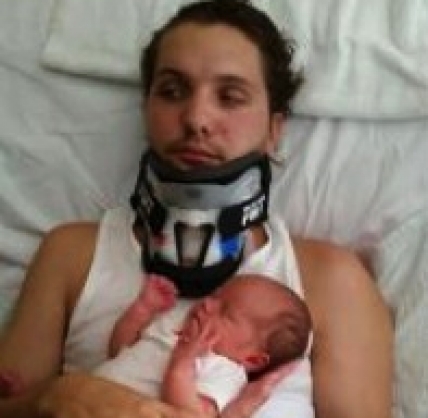
Having a loved one in the ICU with a severe TBI is traumatic for the whole family. Medical staff can help families become part of their loved one's recovery process.
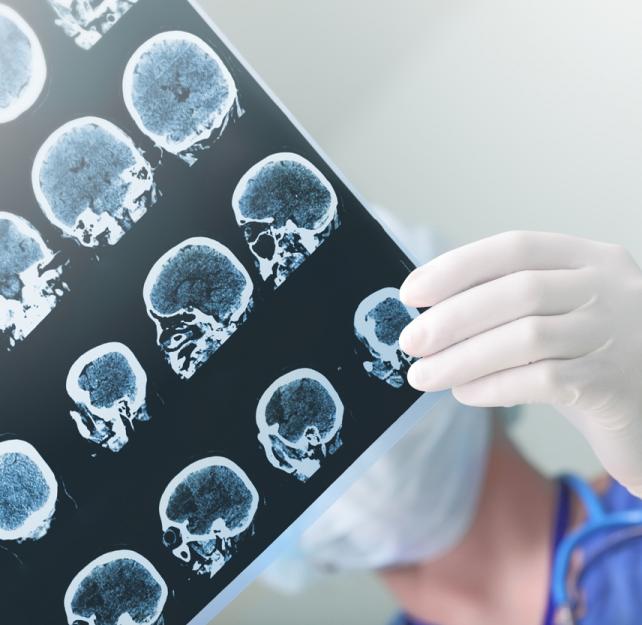
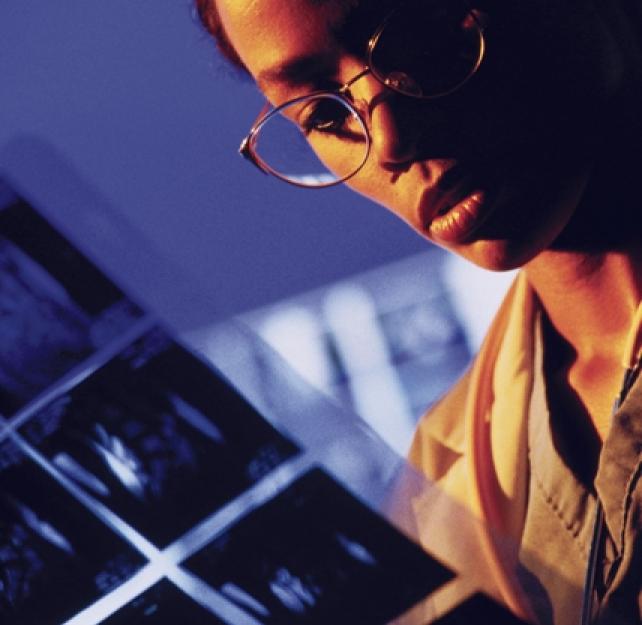
For mild TBIs, making a clear diagnosis can be difficult. There are CT scans and physical and neuropsych evaluations. But in the future there may be simple, revealing blood tests.
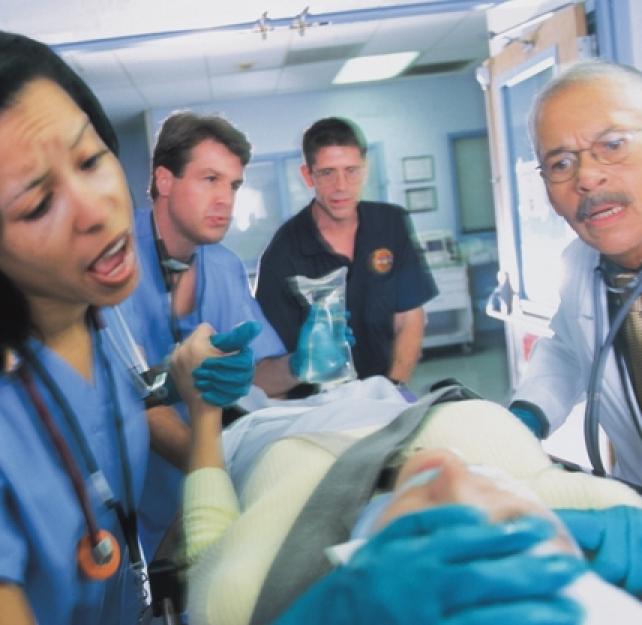
Getting to an ER is crucial after a TBI, especially for an injury that is on the more severe side. The quicker doctors can do a CAT scan of the brain, the quicker they can act on their diagnosis.