Use the filters to browse the information we have available or to narrow your search results for a specific audience (e.g. caregivers, military, children), a preferred type of content (e.g. videos, blogs, articles), or by topics of interest (e.g. family concerns, legal issues, symptoms).
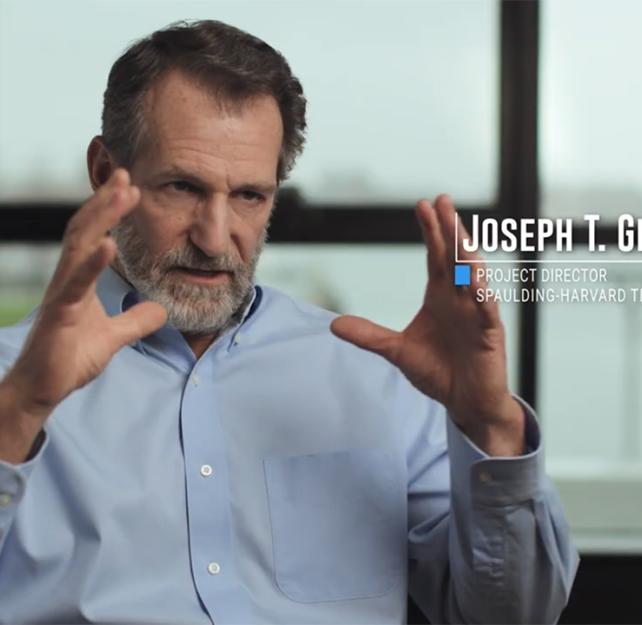
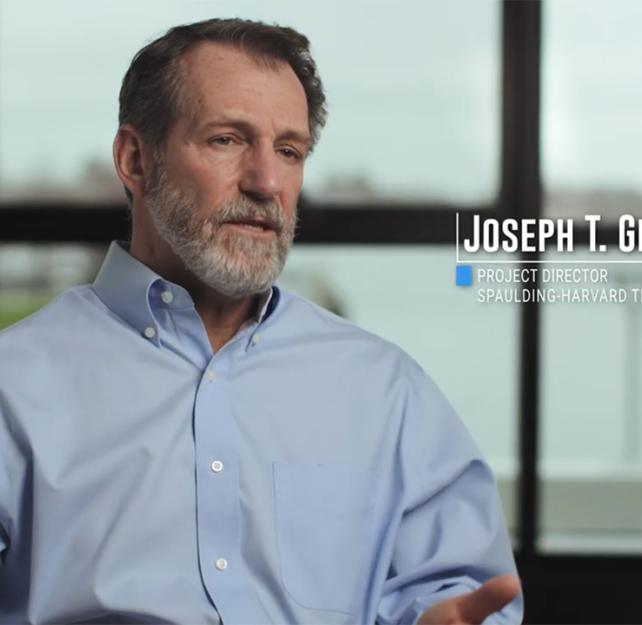
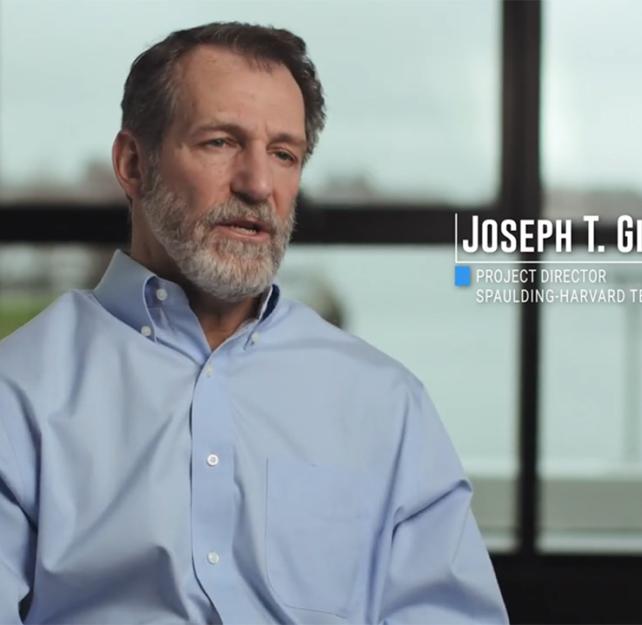
In this video, Joseph Giacino, PhD, explains how specialized inpatient rehabilitation helped uncover the cause of Hannah’s slow language recovery after a disorder of consciousness.
In this video, Joseph Giacino, PhD, explains why many people with disorders of consciousness struggle to access specialized inpatient rehabilitation—despite having significant potential for recovery.
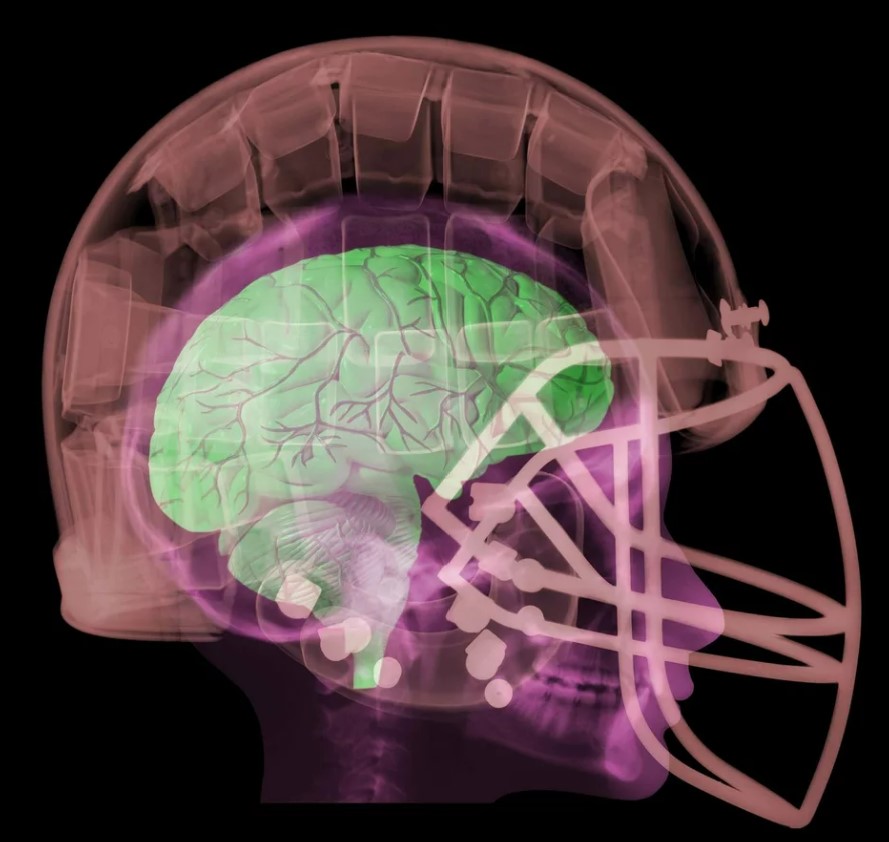
In this case series of 152 contact sport athletes younger than 30 years at the time of death, chronic traumatic encephalopathy (CTE) was found in 63 (41.4%), with nearly all having mild CTE (stages I and II).
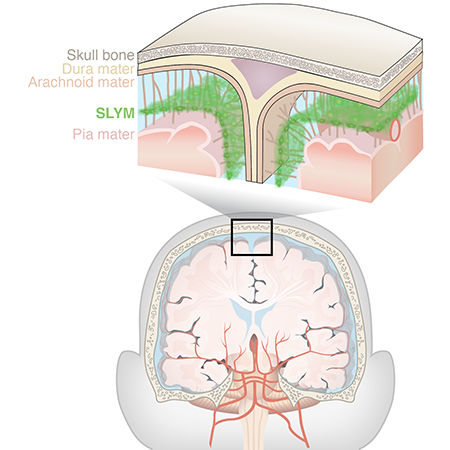
The traditional view is that the brain is surrounded by three layers, the dura, arachnoid, and pia mater. Møllgård et al. found a fourth meningeal layer called the subarachnoid lymphatic-like membrane (SLYM). SLYM is immunophenotypically distinct from the other meningeal layers in the human and mouse brain and represents a tight barrier for solutes of more than 3 kilodaltons, effectively subdividing the subarachnoid space into two different compartments. SLYM is the host for a large population of myeloid cells, the number of which increases in response to inflammation and aging, so this layer represents an innate immune niche ideally positioned to surveil the cerebrospinal fluid.
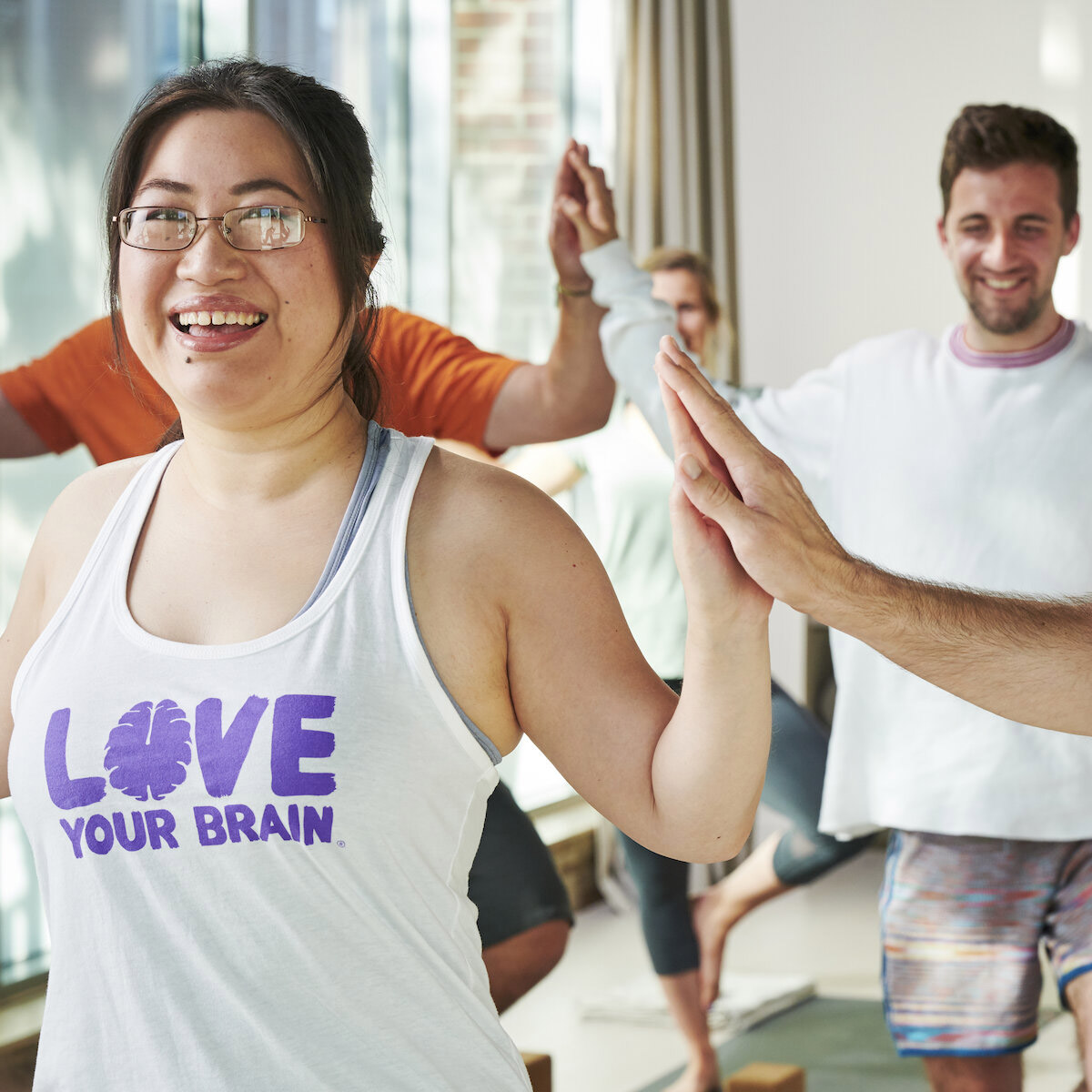
LoveYourBrain Retreats is a novel, free, five-day multimodal program designed to benefit people with traumatic brain injury (TBI) and their caregivers. This study showed the integration of mindfulness, gentle yoga, brain health nutrition, art therapy, and community is an effective rehabilitation model to improve quality of life and has significant potential for expanding access to complementary therapy after TBI.
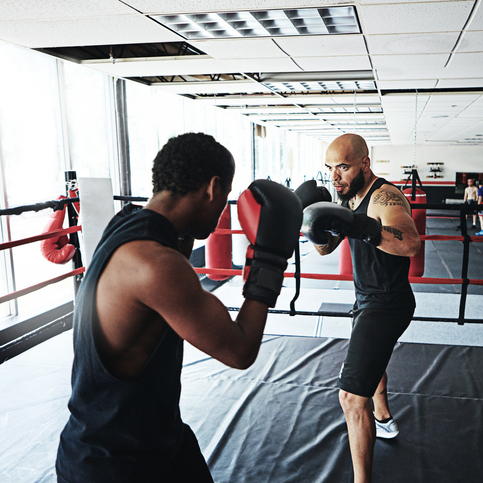
After fighters' cessation of RHI exposure, cognitive function and brain thickness measures may stabilize and blood NfL levels may decline. This study could be a starting point to identify potential predictors of individuals who are at a higher risk of RHI-related long-term neurologic conditions.
“Long COVID is an umbrella term for the many post-acute consequences that result from COVID-19. The more we learn, the more we see that COVID-19 can affect nearly every organ in the body — from the heart and brain to the lungs, kidneys, skin, and gastrointestinal (GI) tract. We are still learning, but we need to listen to our patients, validate their experiences, and treat their symptoms.”
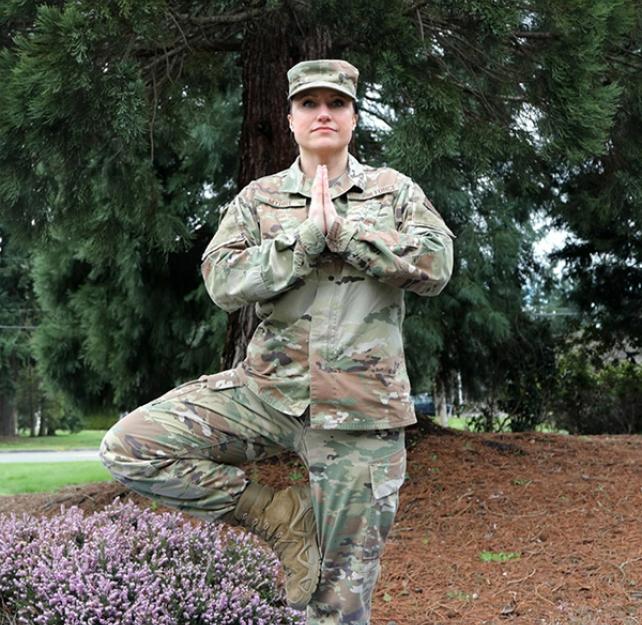
A Marine Veteran herself, she was resistant to try mindfulness, meditation, and yoga; these practices seemed ridiculous to her. But with time and patience, she began to feel great benefits of them.
A Field Operator in the Marines, Ashton Kroner downplayed her symptoms after sustaining traumatic brain injuries, which may have exacerbated them in the long term.
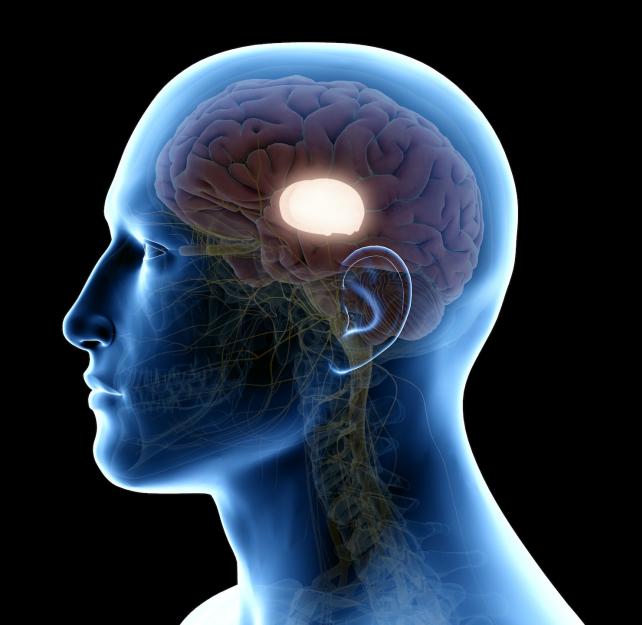
The human brain is a three-pound organ that remains largely an enigma. But most people have heard of the brain’s gray matter, which is needed for cognitive functions such as learning, remembering and reasoning.
Businesses, restaurants, and other establishments including, ironically, the VA, should become more educated about service dogs and the Americans with Disabilities Act.
Many non-profits have helped Brian Vines, a military veteran with PTSD and fulltime caregiver for his veteran wife with TBI and PTSD, over the last decade.
Natalie Vines—who sustained several TBIs in combat and who has PTSD—found great strength from attending a two-week immersive PTSD program through the Wounded Warrior Project.
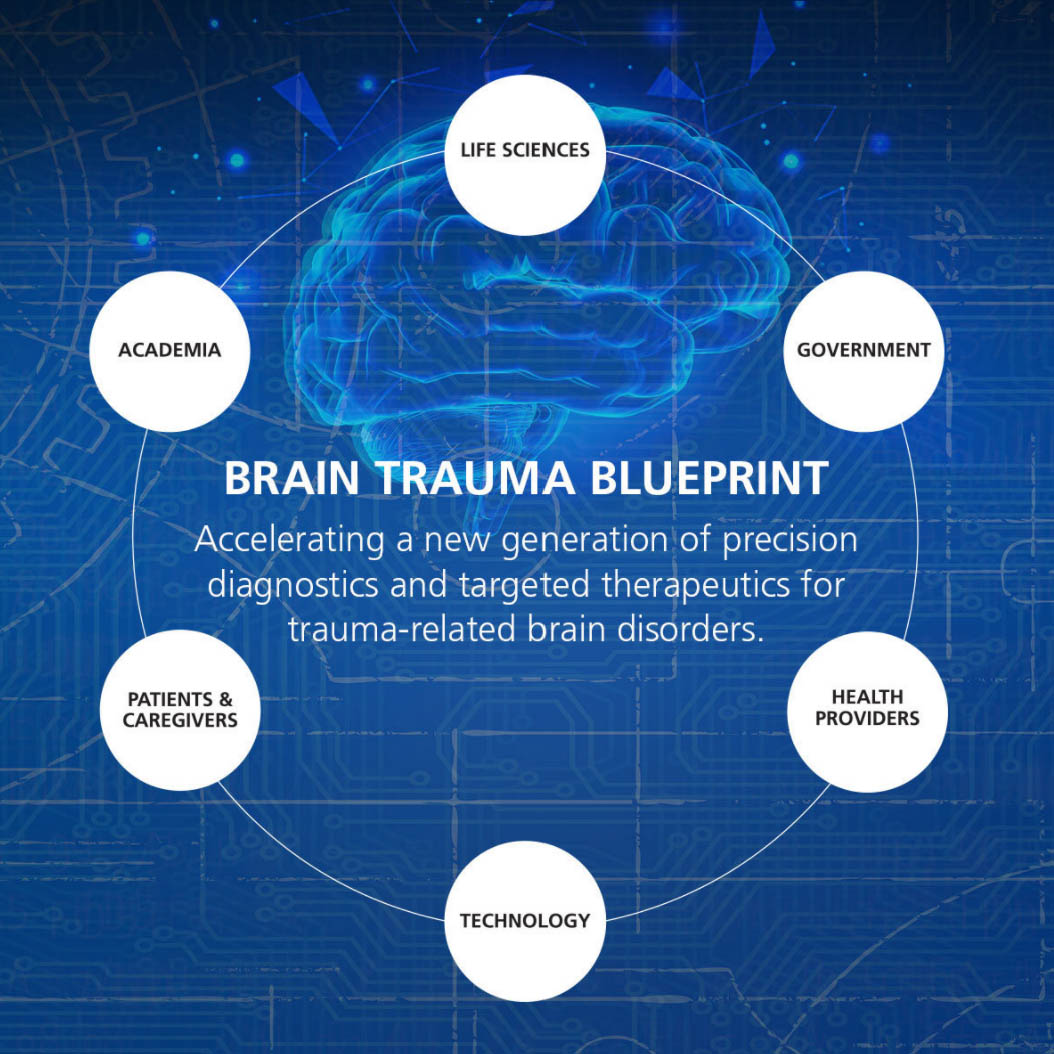
Brain Trauma Blueprint program publishes new recommendations for TBI treatment titled, "Implementation of Concepts and Strategies Surrounding Traumatic Brain Injury Clinical Care Guidelines."
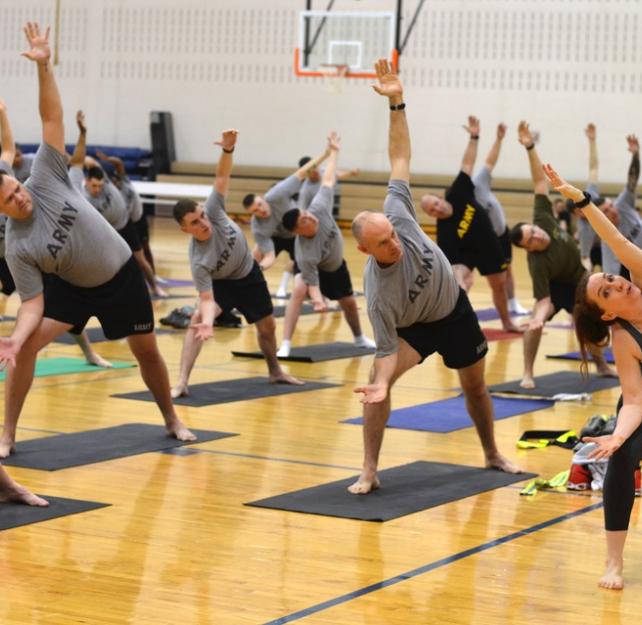
Since it's inception, yoga has been an integral part of the Emory Healthcare Veterans Program. During the intensive two-week program, veterans take one hour of yoga three times a week where they learn to release physical and emotional pain. Mr. Yura says that although some students are more engaged than others, it is rewarding for him to see the extent of people's responses to the practice, including embracing what they have learned to use post-program like specific movements for lower back release, breathing techniques, and strategies for calming the nervous system during a reactive situation.
How can we get people to talk more openly about PTSD and related symptoms of TBI? Why is there still a stigma? What can we do? Dr. Klassen answers your questions about mental health treatment.
Creating individualized treatment plans for veterans is crucial as they may be experiencing symptoms from PTSD, TBI or other concussive injuries as well as moral injury. Often, soldiers enter a war in their late teens or early 20s when their brain has not yet reached full maturation. Providers must consider all of a veteran’s physical and psychological factors when tailoring treatment strategies.