Use the filters to browse the information we have available or to narrow your search results for a specific audience (e.g. caregivers, military, children), a preferred type of content (e.g. videos, blogs, articles), or by topics of interest (e.g. family concerns, legal issues, symptoms).
Disorders of consciousness after severe brain injury exist on a continuum—from coma to unresponsive wakefulness syndrome (vegetative state) to minimally conscious state (MCS) and post‑traumatic confusional state.
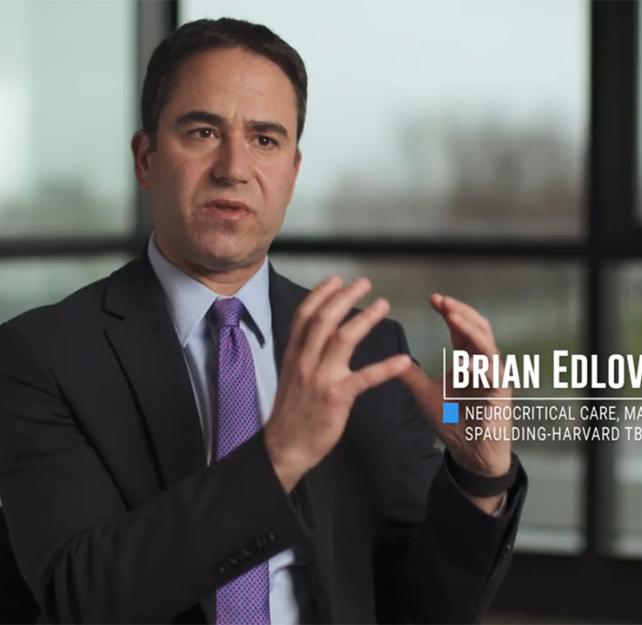
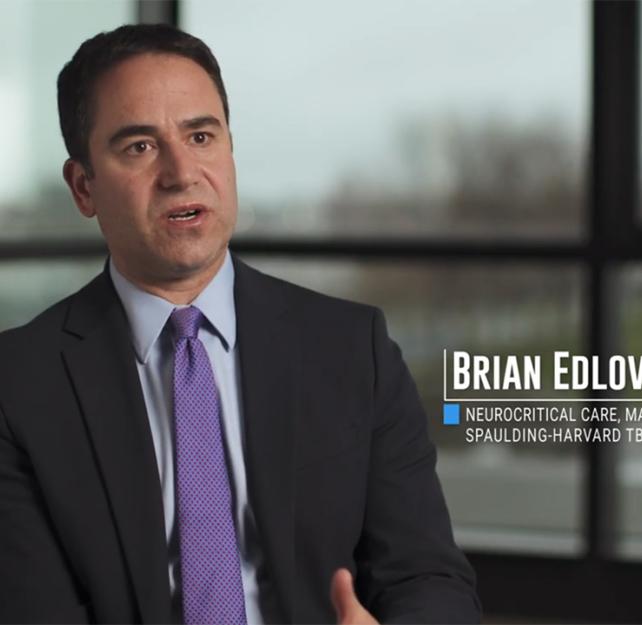
In this video, Brian Edlow, MD, explains how families and clinicians work together to make decisions about life‑sustaining treatment for people with disorders of consciousness.
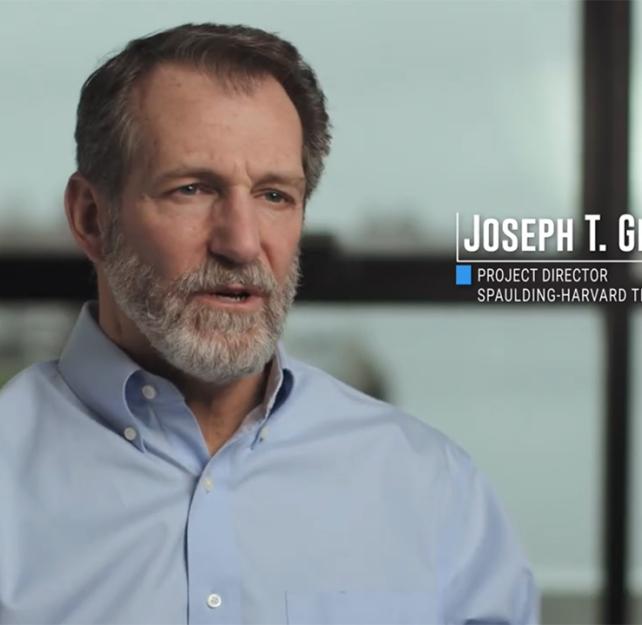
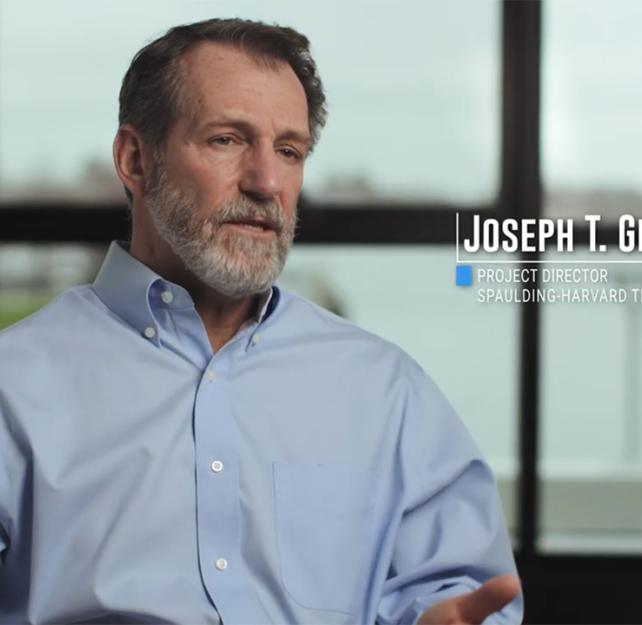
In this video, Joseph Giacino, PhD, challenges common misconceptions about recovery after severe brain injury and prolonged disorders of consciousness.
In this video, Brian Edlow, MD, discusses what current research can—and cannot—tell us about predicting recovery after severe traumatic brain injury (TBI).
In this video, Joseph Giacino, PhD, explains why integrated care across the ICU and rehabilitation settings is essential for improving outcomes for people with disorders of consciousness.
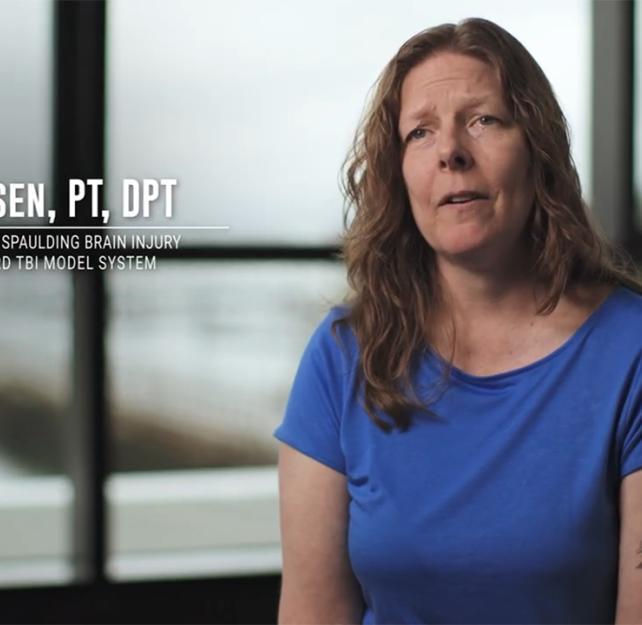
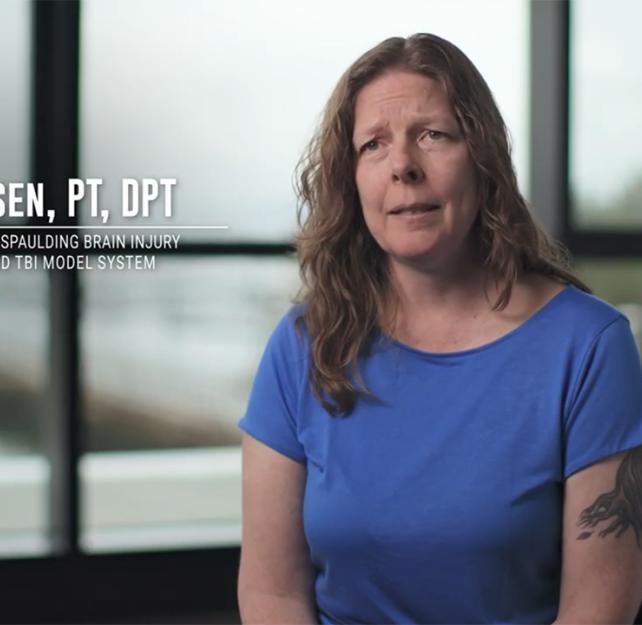
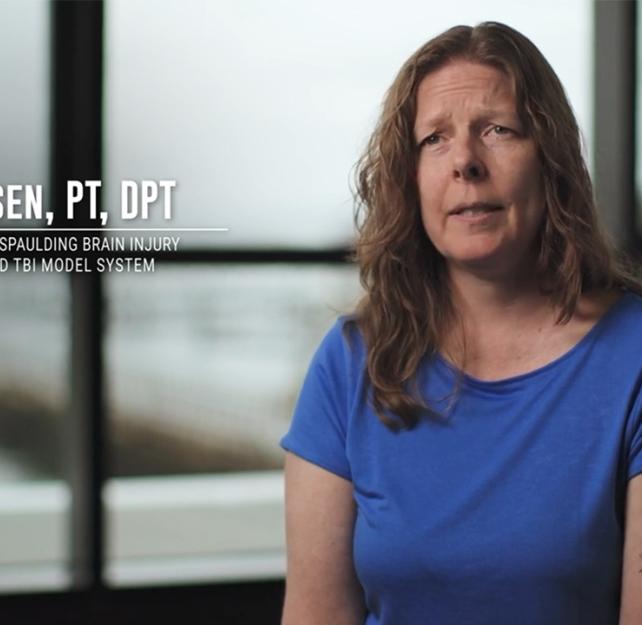
In this video, Beth Hansen, PT, DPT, explains how rehabilitation teams assess pain, stress, and tolerance during therapy for people with disorders of consciousness.
In this video, Beth Hansen, PT, DPT, explains how rehabilitation teams support communication as patients begin to emerge from a disorder of consciousness.
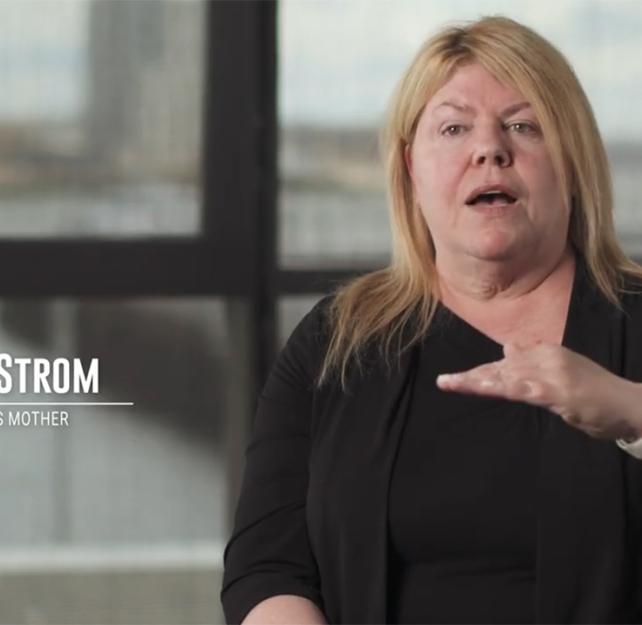
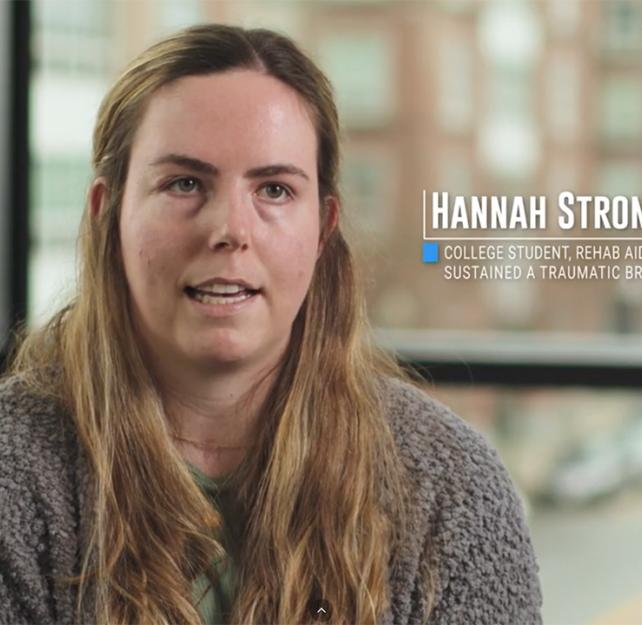
In this video, Gail Strom, mother of Hannah, shares her personal experience navigating the emotional ups and downs of a loved one’s recovery from a disorder of consciousness.
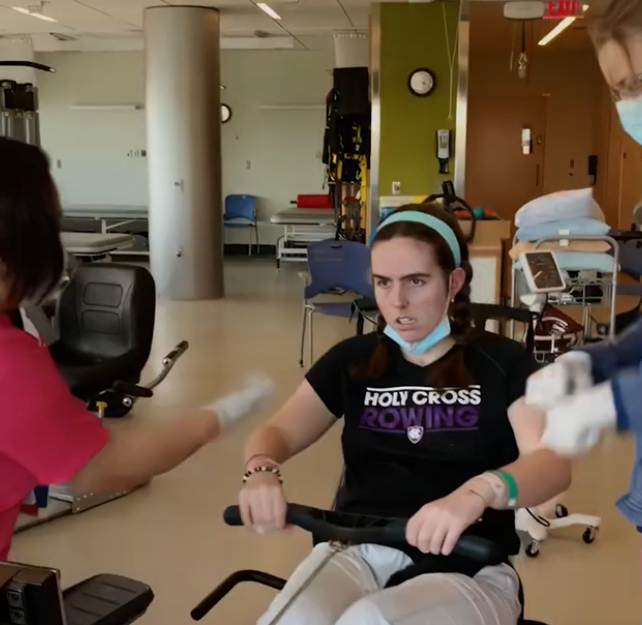
In this video, Joseph Giacino, PhD, explains how specialized inpatient rehabilitation helped uncover the cause of Hannah’s slow language recovery after a disorder of consciousness.
In this video, Joseph Giacino, PhD, explains why many people with disorders of consciousness struggle to access specialized inpatient rehabilitation—despite having significant potential for recovery.
In this video, Beth Hansen, PT, DPT, explains what families should look for when choosing an inpatient rehabilitation program for someone with a disorder of consciousness.
Recovering from Disorders of Consciousness follows the powerful true story of Hannah Strom, a young woman who survived a severe traumatic brain injury (TBI) and spent weeks in a disorder of consciousness. Through her journey — and the experiences of patients, families, and clinicians — this video explores how consciousness can slowly return, why early prognoses are often uncertain, and how specialized inpatient rehabilitation can change outcomes after severe brain injury.
Connor Martin's brother, veteran and athlete Kevin Ash, received a traumatic brain injury (TBI) that put him in a coma. Once he came out of it, though, he didn't seem able to communicate with Connor. It took some investigating to find out why.
While Connor Martin's brother, veteran and athlete Kevin Ash, was stated to come out of his coma there were precious moments for his family, even amidst the difficulties.
While Connor Martin's brother, veteran and athlete Kevin Ash, was in a coma Connor was 18 and an hour and a half away from his mom. She was working and advocating for Kevin, though, so Connor gave her his support and they grew closer.
Connor Martin's bother, veteran and athlete Kevin Ash, fell into a coma after a series of brain injuries. His mother stepped in and became his advocate. It wasn't an easy role but it wasn't one she would ever give up.
Connor Martin's brother Kevin Ash sustained blast injuries during his deployments. When he returned to the States he found comradery by joining a rugby team. Unfortunately, a simple tackle resulted in a coma and significant large term effects.
Connor Martin was only 17 when his brother Kevin Ash had his last accident. Connor had spent his life looking up to Kevin and now his brother was unreactive in a hospital bed.
Karl Kajomo Moritz faced the ultimate life change when he was bicycle commuting home from work in 2010 and was hit head on by a car and spent five weeks in a coma. He woke up with a TBI and developed a healing plan with healthy eating, acupuncture, speech therapy, neurofeedback, and high cardio velodrome track riding.
Karl Kajomo Moritz faced the ultimate life change when he was bicycle commuting home from work in 2010 and was hit head on by a car and spent five weeks in a coma. He woke up with a TBI and developed a healing plan with healthy eating, acupuncture, speech therapy, neurofeedback, and high cardio velodrome track riding.