Use the filters to browse the information we have available or to narrow your search results for a specific audience (e.g. caregivers, military, children), a preferred type of content (e.g. videos, blogs, articles), or by topics of interest (e.g. family concerns, legal issues, symptoms).
In this video, Joseph Giacino, PhD, explains how specialized inpatient rehabilitation helped uncover the cause of Hannah’s slow language recovery after a disorder of consciousness.
In this video, Joseph Giacino, PhD, explains why many people with disorders of consciousness struggle to access specialized inpatient rehabilitation—despite having significant potential for recovery.
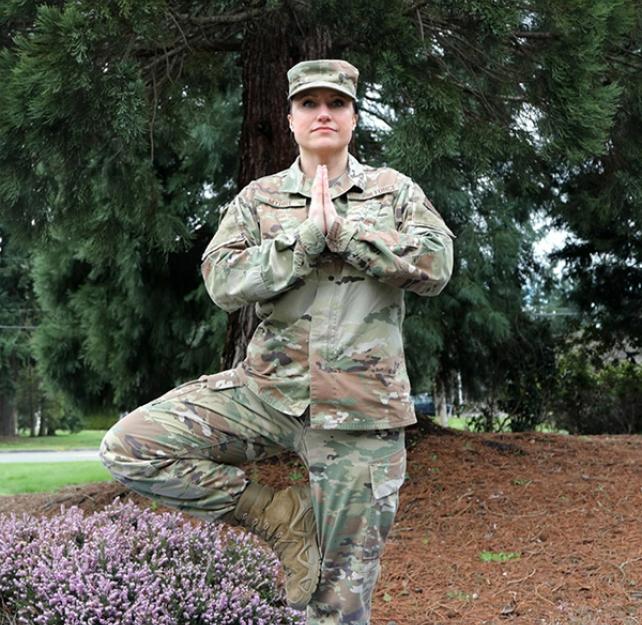
A Marine Veteran herself, she was resistant to try mindfulness, meditation, and yoga; these practices seemed ridiculous to her. But with time and patience, she began to feel great benefits of them.
A Field Operator in the Marines, Ashton Kroner downplayed her symptoms after sustaining traumatic brain injuries, which may have exacerbated them in the long term.
Businesses, restaurants, and other establishments including, ironically, the VA, should become more educated about service dogs and the Americans with Disabilities Act.
Many non-profits have helped Brian Vines, a military veteran with PTSD and fulltime caregiver for his veteran wife with TBI and PTSD, over the last decade.
Natalie Vines—who sustained several TBIs in combat and who has PTSD—found great strength from attending a two-week immersive PTSD program through the Wounded Warrior Project.
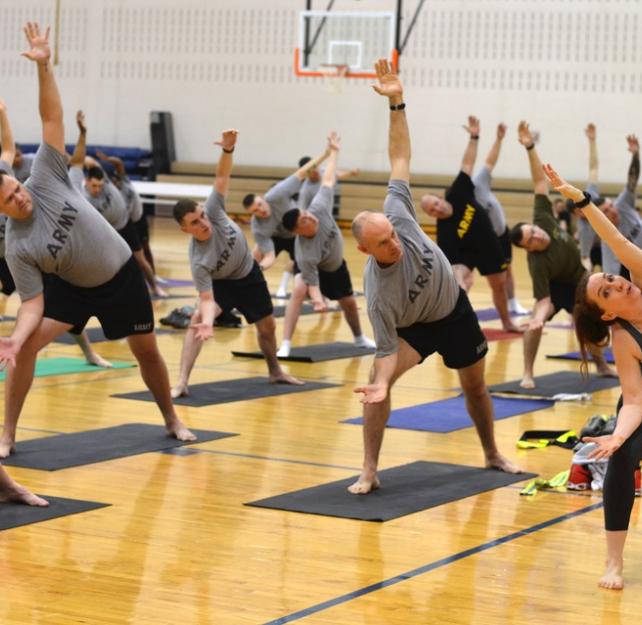
Since it's inception, yoga has been an integral part of the Emory Healthcare Veterans Program. During the intensive two-week program, veterans take one hour of yoga three times a week where they learn to release physical and emotional pain. Mr. Yura says that although some students are more engaged than others, it is rewarding for him to see the extent of people's responses to the practice, including embracing what they have learned to use post-program like specific movements for lower back release, breathing techniques, and strategies for calming the nervous system during a reactive situation.
How can we get people to talk more openly about PTSD and related symptoms of TBI? Why is there still a stigma? What can we do? Dr. Klassen answers your questions about mental health treatment.
Creating individualized treatment plans for veterans is crucial as they may be experiencing symptoms from PTSD, TBI or other concussive injuries as well as moral injury. Often, soldiers enter a war in their late teens or early 20s when their brain has not yet reached full maturation. Providers must consider all of a veteran’s physical and psychological factors when tailoring treatment strategies.
If I could tell civilian providers working with veterans and service members with PTSD and other mental health challenges one thing, it would be that this population includes some of the most resilient people on the planet. I think we do a disservice to them by fragilizing them, treating them as if going through these intense therapies—cognitive behavioral therapy, prolonged exposure therapy, and discussions around moral injury and military sexual trauma among others—will break them. On the contrary, during Road Home's two-week intensive program, I have seen undue strength and resiliency demonstrated, which often lead to significant healing.
For many veterans and service members returning from deployment, not having their "team," their battle buddies around is very difficult. Everything seems to be about the individual. Capitalizing on this team unity mentality, providers at the Road Home Program understand that more healing will happen when people are working on individualized therapies as well as group therapies and activities. Once again, they have each other's backs.
A two-week program for veterans and services members who have PTSD and other mental health issues, Rush Medical Center's Road Home is intense, fast, and efficient. Through evidence-based studies and experience, providers have found that this two-week intensive is far more effective than traditional therapy to help with symptom remission and increases in resilience.
Treating service members and veterans with TBI and PTSD often includes complex and unique interventions and treatments. Based on their evidence-based guidelines and experiences working with thousands of people in their two-week immersive program, Home Base also focuses intentionally and systematically on assessing what the population needs once they leave the program and return to their communities. The more Home Base can help connect their participants with clusters of experts in their areas, the more long-term healing will occur.
The biggest and most nefarious misconception about TBI is that it doesn’t get better. That is simply not true. The vast majority of people with TBI do well over time and can be effectively treated to live functional and fulfilling lives. However, that does not counter the risk of behavioral, medical, and cognitive problems in the long term. With more research and experience, experts in the field are focusing on learning more to mitigate risk and improve the outcome of those with TBI in both the short and long term.
Does success translate into riding a horse again, returning to your pre-military job as an accountant, or coaching your kid’s Little League team? Staff at the Home Base Program understand that what success looks like for one military member with TBI and/or PTSD may look 180-degrees different from that of another. Using evidence-based guidelines to drive their therapeutic regimens as well as applying lessons learned from helping thousands of people in the program, Home Base providers are not only fine-tuning what they do each day but also learning and creating the next generation of effective therapies.
Staff at Home Base are awed—daily, hourly—by the resilience, determination, and dedication of the veterans and service members with whom they work during the two-week immersion program. Dr. Zafonte recalls one Special Forces member who was injured multiple times but whose focus, invariably and unblinkingly, was to restore himself so as to return to theater to continue to serve. Military members like this man exemplify a dedication to protect our country; something all of us should take time to better understand and appreciate.
Home Base’s two weeks of assessments and individualized therapies focused on treating veterans and services members with TBI and PTSD seems to be the “sweet spot” of time for this kind of immersive program. Staff in the program have seen lives changed, lives saved. They understand that the veteran experience is a unique one, hard for civilians to fully comprehend. Providing these men and women with the tailored interventions and therapies they need to enhance function in their day-to-day life is often as important as the bonding aspect of being with others who have had and continue to have similar experiences, challenges, and forward steps.
One of the most powerful aspects of the Home Base Program is the way it helps veterans and service members come together again with those who may have had similar experiences in combat and now back at home with issues around TBI and PTSD. Along with the comprehensive individualized treatment plans for each person, the program includes group therapies and events, which play a large role in the healing process.
The Home Base program, which includes comprehensive assessments and a two-week immersion into therapies and treatments for TBI, PTSD, and other conditions, is created anew for each veteran or service member who joins. Whether engaging in physical or cognitive therapeutic interventions, learning how better to communicate with family and friends, or delving into art therapies, each individual becomes part of a strong and supportive community of people who understand their experiences, though everyone’s experiences and issues are unique and treated as such.