Use the filters to browse the information we have available or to narrow your search results for a specific audience (e.g. caregivers, military, children), a preferred type of content (e.g. videos, blogs, articles), or by topics of interest (e.g. family concerns, legal issues, symptoms).
Part of Rush University Medical Center’s efforts around helping people with trauma and/or PTSD is working with the community—whether screening children more effectively during pediatric visits, working with families, or advising schools. Ongoing adverse events in inner city communities can cause young children, adolescents, and adults to experience trauma and PTSD, but these issues are treatable with professional interventions.
Apps can change the life of a person with brain injury. People with TBI and their caregivers don't always realize how much the injury can impact their lives. For someone who is used to be able to do so many things the loss of those abilities is frustrating. Apps can help.
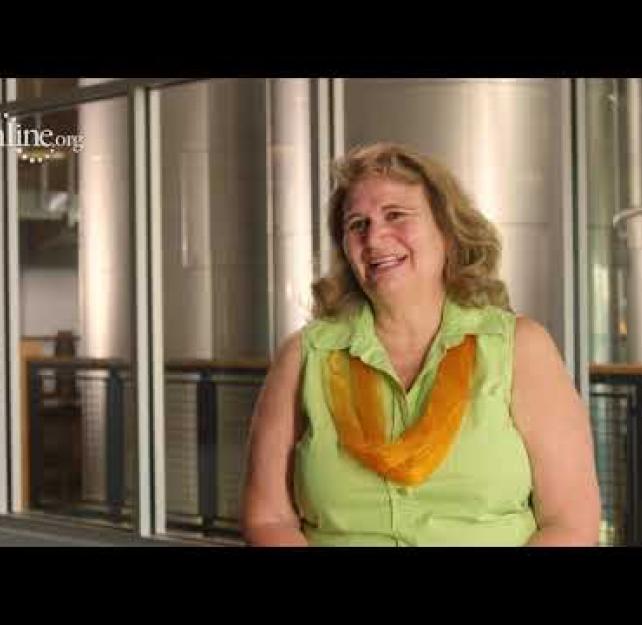
A veteran with TBI started using apps to help her in school while she was getting her master's degree. Soon she found those apps were being incorporated into her every day life, not just when she was in the classroom.
Kristi Kragthorpe has found calender apps invaluable since her brain injury. She uses them to remember appointments, but also to keep track of how she's spending her energy.
After her brain injury, Kristi Kragthorpe had to give up the classroom. The sounds, smells, and speed no longer fit with her new post-TBI lifestyle. But Kristi found a new way to educate others - sharing her knowledge of apps.
Kristi Kragthorpe uses smartphone apps as aids to help make her life easier after brain injury, but she makes sure not to overwhelm herself with too many.
Kristi Kragthorpe only used her phone for texts and phone calls until she saw how powerful smartphone apps could be in helping her manage her post-TBI life.
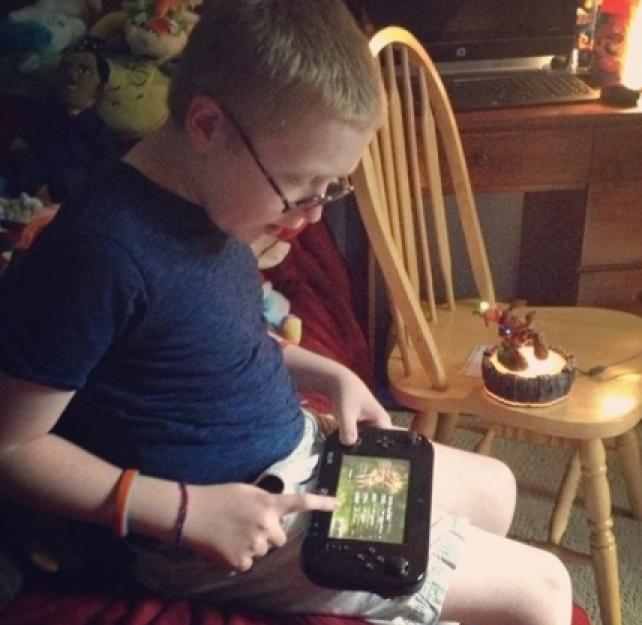
After a severe TBI at age 4, Michael Wight is now in fourth grade at Switlik Elementary, where they call him "the mayor." He attends class with other fourth graders and also gets help from a special education teacher, speech therapist, and physical therapist.
For an teenager with TBI, losing friends is devastating. Dr. Mariann Young talks about how she works with injured teens as well as their friends to help them deal with the changes that come with a brain injury.
For teens with TBI, the process going through the stages of normal development is disrupted or forever altered. Dr. Mariann Young talks about how to help teens and their parents navigate adolescence.
Listening, showing empathy, being respectful, and opening up to creative collaboration are all key ways parents and teachers can work together to help a child with brain injury.
Dr. Ann Glang talks about how school teachers and staff in collaboration with parents can help a child with TBI have a fulfilling and successful experience during school and beyond.
Kids with TBI have similar challenges to kids with other disabilities, but they also have uneven skill profiles, meaning they may be strong in one area or academic subject but deficient in another.
Teachers and staff need a knowledge and understanding of brain injury and what modifications kids with a brain injury may need in order to help their students most effectively.
Many high schools offer programs in technology or culinary arts, for example, that are one way for teens with TBI to learn some skills as jumping off places for future career opportunities.
If a student with TBI fails in college, go back to your family and circle of support to see what went wrong and what you can do differently to succeed in college or work.
Everyone wants to see a teen with TBI graduate with his class, but not tapping into all available support services like special ed or vocational rehab before graduating can set that person back later.