Use the filters to browse the information we have available or to narrow your search results for a specific audience (e.g. caregivers, military, children), a preferred type of content (e.g. videos, blogs, articles), or by topics of interest (e.g. family concerns, legal issues, symptoms).
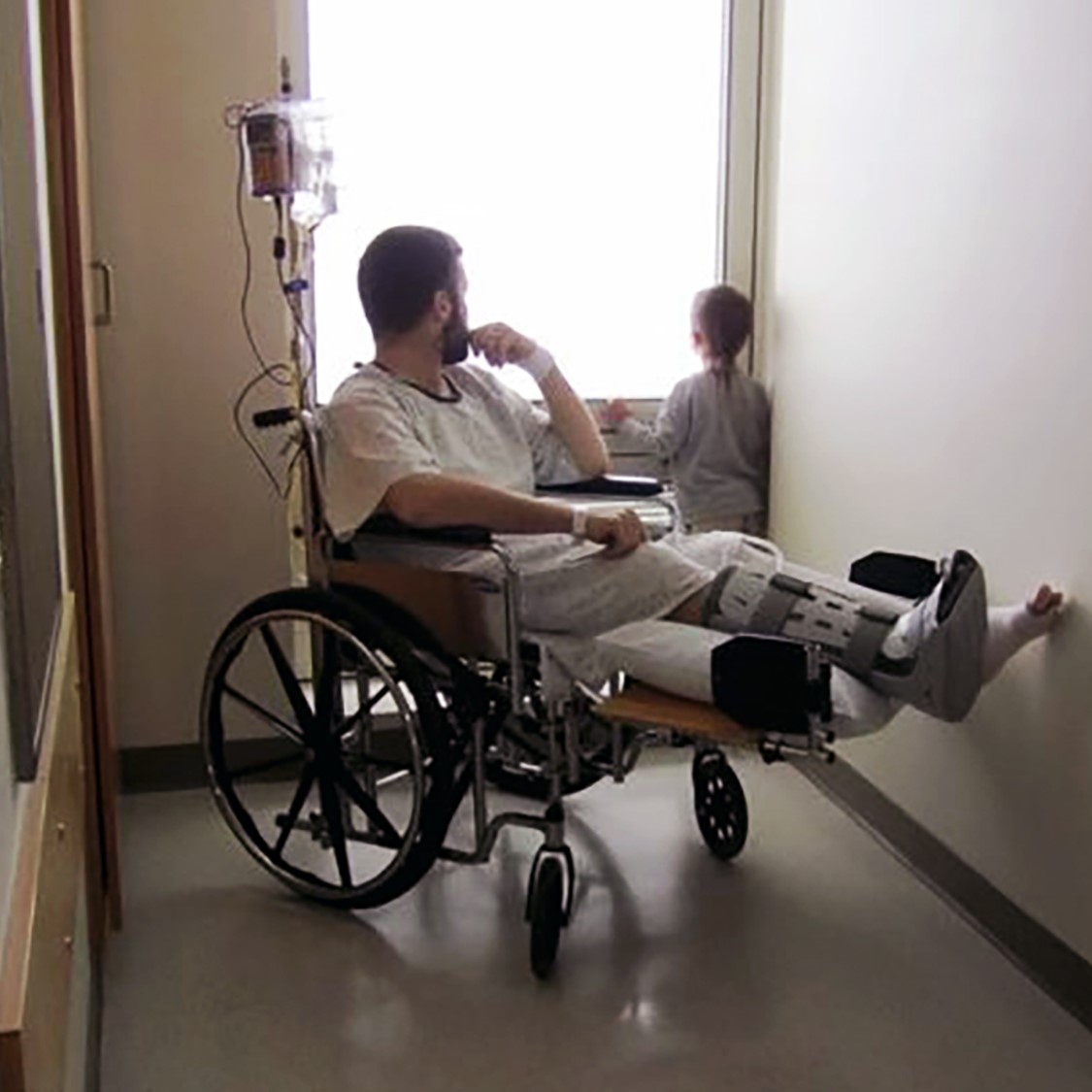
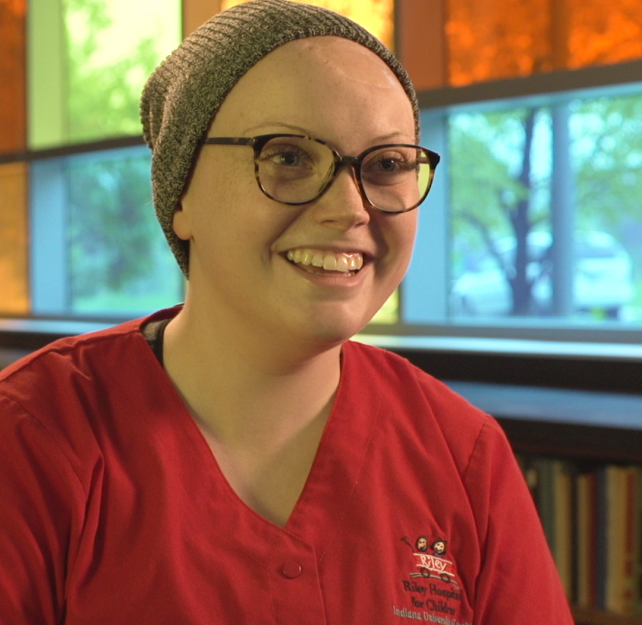
U.S. Navy Ensign Timothy Bleigh clearly recalls when the bomb went off. The Mine-Resistant Ambush Protected (MRAP) tactical vehicle flipped several times through the air before it landed partly on its roof. Bleigh shares his story and reflects on how his difficult recovery, which included a Traumatic Brain Injury (TBI), influenced how he approaches patient care.
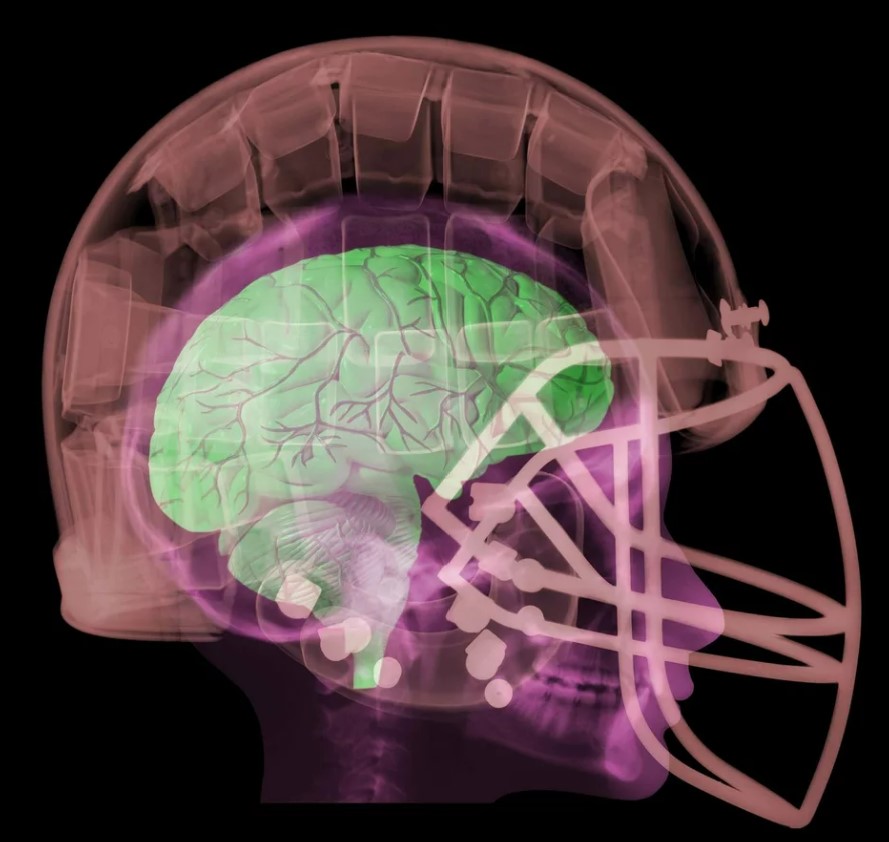
In this case series of 152 contact sport athletes younger than 30 years at the time of death, chronic traumatic encephalopathy (CTE) was found in 63 (41.4%), with nearly all having mild CTE (stages I and II).
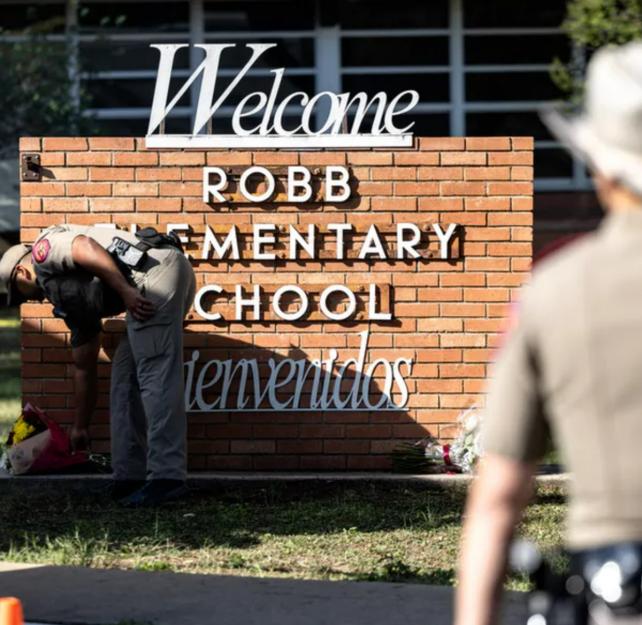
It is important to understand that no two people experience such horrific exposure in the same way. The extent of the trauma, stress or fear can vary. Survivors of a shooting may want to avoid the neighborhood where the shooting occurred or the context related to shooting, such as grocery stores, if the shooting happened at one. In the worst case, a survivor may develop post-traumatic stress disorder.
Part of Rush University Medical Center’s efforts around helping people with trauma and/or PTSD is working with the community—whether screening children more effectively during pediatric visits, working with families, or advising schools. Ongoing adverse events in inner city communities can cause young children, adolescents, and adults to experience trauma and PTSD, but these issues are treatable with professional interventions.
Apps can change the life of a person with brain injury. People with TBI and their caregivers don't always realize how much the injury can impact their lives. For someone who is used to be able to do so many things the loss of those abilities is frustrating. Apps can help.
A veteran with TBI started using apps to help her in school while she was getting her master's degree. Soon she found those apps were being incorporated into her every day life, not just when she was in the classroom.
Kristi Kragthorpe has found calender apps invaluable since her brain injury. She uses them to remember appointments, but also to keep track of how she's spending her energy.
After her brain injury, Kristi Kragthorpe had to give up the classroom. The sounds, smells, and speed no longer fit with her new post-TBI lifestyle. But Kristi found a new way to educate others - sharing her knowledge of apps.
Kristi Kragthorpe uses smartphone apps as aids to help make her life easier after brain injury, but she makes sure not to overwhelm herself with too many.
Kristi Kragthorpe only used her phone for texts and phone calls until she saw how powerful smartphone apps could be in helping her manage her post-TBI life.
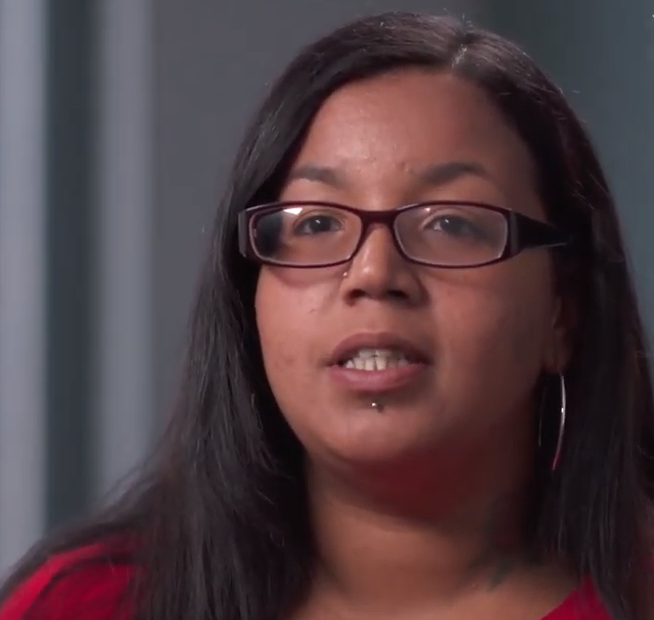
Taisha Rios shares her story about loving and raising her son Yael and how their lives were dramatically changed by an accident. She discusses behavioral challenges, the impact on Yael's confidence, school accommodations and more.
Amanda Stombaugh shares how she managed through the trauma, her daughter Ashlyn's rehabilitation, managing the behavior of a young child with a severe TBI, how to practice self-care while parenting three children, communicating with Ashlyn’s school, helping Ashlyn with social situations, and more.
As a school nurse you are a key member of the school-based return to learn (RTL) concussions management team. Here is what you need to know about HIPAA and Student Health Records.
Dr. Bombardier explains the importance of seeing a therapist that is familiar with brain injury and how to accommodate limitations that may come up during therapy.
A look at the development of secondary attention-deficit/hyperactivity disorder in children who were previously hospitalized with traumatic brain injury vs children previously hospitalized with orthopedic injury.
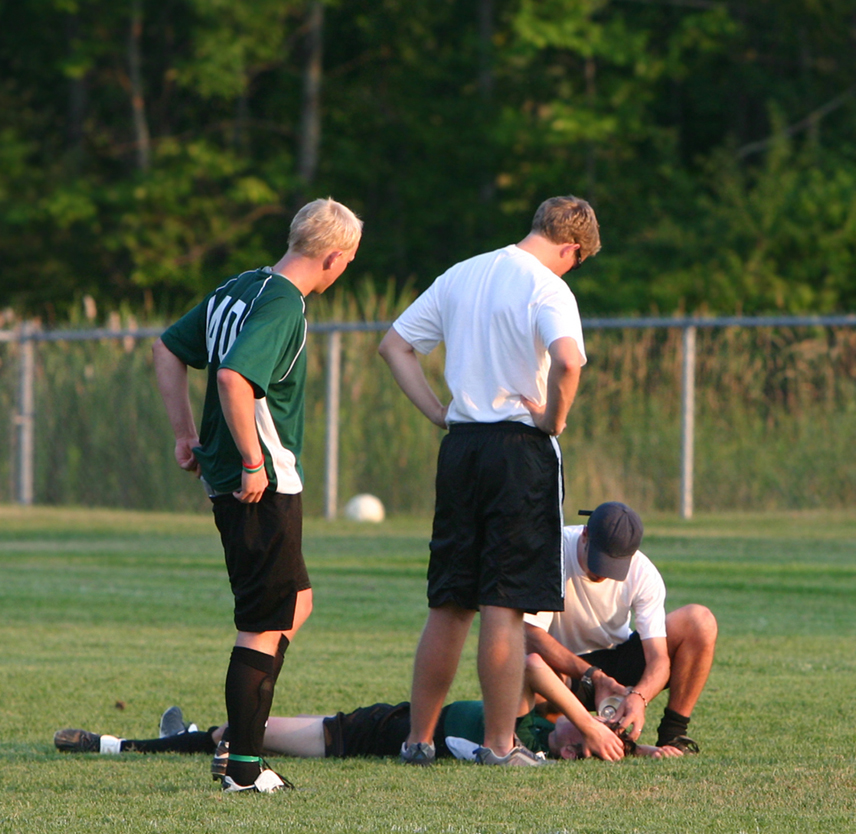
A new University of Michigan study confirms what many hospital emergency rooms nationwide are seeing: Teens playing contact sports suffer from concussions.
After a severe TBI at age 4, Michael Wight is now in fourth grade at Switlik Elementary, where they call him "the mayor." He attends class with other fourth graders and also gets help from a special education teacher, speech therapist, and physical therapist.