Use the filters to browse the information we have available or to narrow your search results for a specific audience (e.g. caregivers, military, children), a preferred type of content (e.g. videos, blogs, articles), or by topics of interest (e.g. family concerns, legal issues, symptoms).
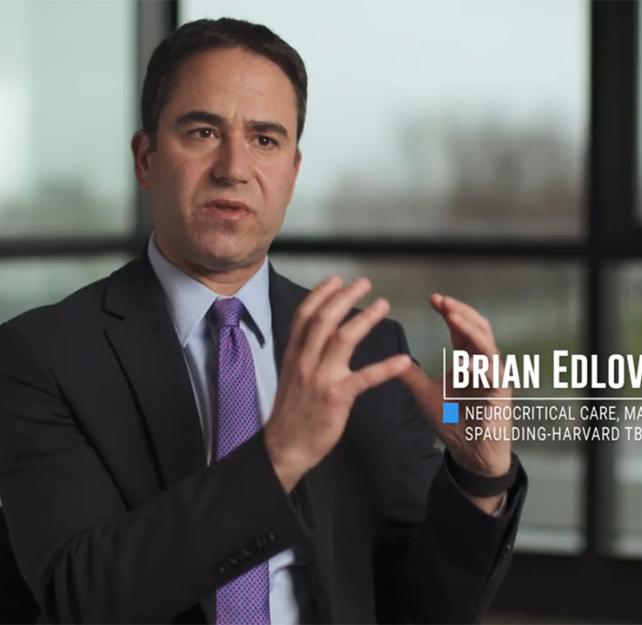
In this video, Brian Edlow, MD, explains how families and clinicians work together to make decisions about life‑sustaining treatment for people with disorders of consciousness.
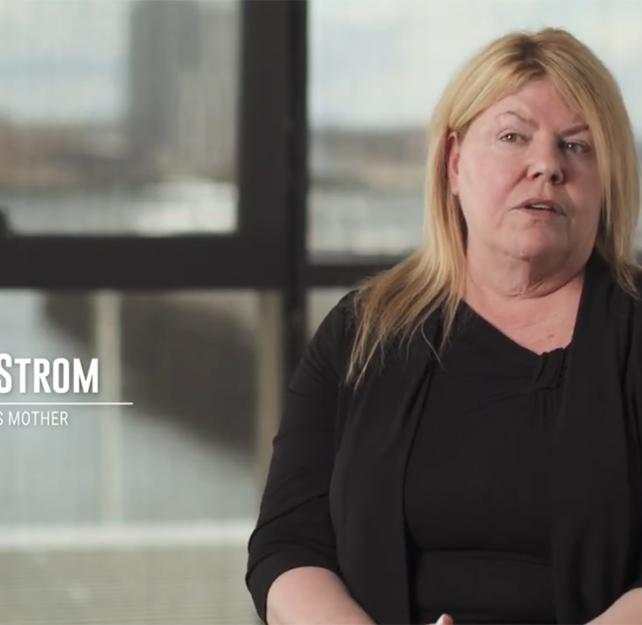
In this video, Gail Strom, mother of Hannah, shares her personal experience navigating the emotional ups and downs of a loved one’s recovery from a disorder of consciousness.
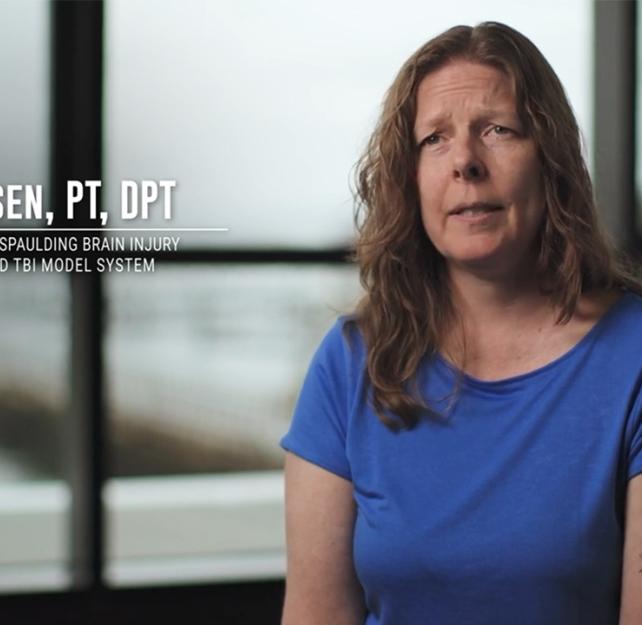
In this video, Beth Hansen, PT, DPT, explains what families should look for when choosing an inpatient rehabilitation program for someone with a disorder of consciousness.
USAF Staff Sergeant Adam Watson joined the military just before 9/11 to find a sense of direction as a young adult. He was trained as a linguist and worked in intelligence. He found purpose and fulfillment in his mission to target terrorists but at a high cost. His time in service took a toll on him and, eventually, his family.
Hear how Home Base, a part of the Wounded Warrior Project's Warrior Care Network, helped Adam treat his depression and post-traumatic stress disorder (PTSD) with Prolonged Exposure Therapy (PE) and other complementary therapies in their Intensive Outpatient Program (IOP). For information about treatments for PTSD please visit The Treatment Hub: https://www.brainline.org/treatment/ Don’t forget to like and subscribe! Information about Prolonged Exposure Therapy (PE): https://www.brainline.org/treatment/pe Home Base in Boston, MA, USA: https://homebase.org/ Wounded Warrior Project's Warrior Care Network: https://www.woundedwarriorproject.org/programs/warrior-care-network Website: https://www.BrainLine.org Donate: https://tinyurl.com/BrainLineDonation Facebook: https://www.facebook.com/brainline Twitter: https://twitter.com/brainline LinkedIn: https://www.linkedin.com/company/brainline.org/
Her husband was different when he came home from his deployment. Jenna married the love of her life, Isaac, in the United States Navy. He returned home from Afghanistan a changed man. Jenna started feeling stressed out herself.
Being organized and having a routine makes each day smoother for Natalie Vines who has TBI and PTSD and for her caregiver husband and fellow vet, Brian Vines who also has PTSD.
Many non-profits have helped Brian Vines, a military veteran with PTSD and fulltime caregiver for his veteran wife with TBI and PTSD, over the last decade.
People often say that Brian and Natalie's story of injury, caregiving, and retirement from the military is a tragedy. But for them, it's more of a love story.
During their time apart on deployments, Brian and Natalie Vines stayed connected via skype, social media, and hand-written letters, which helped their love endure and burgeon.
I keep hearing that I need cognitive behavioral therapy—talk therapy— to treat my symptoms of PTSD like hyper-arousal, depression, avoiding life, and being irritable all the time with my friends and family. Frankly, I don’t want to talk to someone for weeks and months. My wife keeps pressuring me, but the thought of therapy makes me feel weaker than I already am. Why do I feel this way? I’m not sure what to do. Dr. Klassen answers your questions about mental health treatment.
My husband is a vet with PTSD and will not stop playing video games … he stays up all hours of the night. Should I be worried? Dr. Klassen answers your questions about mental health treatment.
A family member or support person at home plays a key role as part of the treatment plan for a service member or veteran. An adjunct in their loved one’s care, the family member collaborates with the team of providers to help their loved one follow through with appointments, medications, and health regimens. They often serve as the more impartial eyes and ears to their loved one’s challenges and improvements.
Telling your loved one with PTSD that you cherish them, you care about them, and that you will help them if they will let you is a powerful first step toward getting that person needed treatment. You can’t take on someone else’s suffering—unproductive, anyway—but you can steer them toward the resources and providers who can help them.
Often feelings of lost connection with family members—whether with a spouse, children, parents, or siblings—is what finally catalyzes a veteran or service member to seek treatment for TBI and/or PTSD. For example, a Special Ops veteran who had deployed 10 times during a 35-year military career finally sought treatment through the Home Base program because his child told his wife that he was afraid of him. He did not want the effects of TBI and/or PTSD to create irreparable damage to his whole, multigenerational family.
Dr. Mary Alexis Iaccarino tells the story of a service member who sent her team a note of thanks along with a photo of himself attending his daughter’s graduation. Before attending the Home Base program as well as a special brain health and trauma program for Special Operations Forces, he could never have imagined being in a crowd filled with noises and lights. For him, attending the graduation was a huge win; because of treatment he was able to participate in a big family moment.
Oftentimes, a family member is the first to recognize symptoms of TBI and/or PTSD in their loved one who has returned from military service. At the Home Base program, veterans and service members are accompanied by a family member for part of the two-week intensive so upon returning home, the family knows better how to help their loved one understand their symptoms and aid with and ongoing treatments, interventions, medications, and general support.
Wounded Warrior Project’s Independence Program case managers understand that when a service member has a TBI or other physical or mental health issues, the whole family is affected—in the short- and long-term. WWP case managers get to know their families intimately, checking on them weekly and helping them find the services and resources they need. They are always available to help families navigate through these sometimes-complex situations.
Veteran Kevin Ash suffered blast injuries during his deployment, but it was a rugby tackle that put him in a coma. His brother Connor Martin said that when Kevin work up he had lost both hearing and sight but the family accepted these changes as the "new normal."