Use the filters to browse the information we have available or to narrow your search results for a specific audience (e.g. caregivers, military, children), a preferred type of content (e.g. videos, blogs, articles), or by topics of interest (e.g. family concerns, legal issues, symptoms).
Over the last few years, the phrase "lived experience" has been gaining traction within the brain injury community. Early on after my injury, for many years in fact, I really didn't fully understand how much my injury would affect my daily life. As the years passed, I began to better understand what it meant to navigate life with an invisible disability.
Life after brain injury remains a bit surreal. One might think that after fifteen years, I would have mastered the subtle nuances of this second life, but not even close. Occasionally, I am reminded that I live on a different plane than the neuro normals of the world but I've found ways to adapt and celebrate.
March is Brain Injury Awareness Month, my 16th as a brain injury survivor. Looking back, until my life became defined by brain injury, I had never heard of Brain Injury Awareness Month. For several years after my injury, the goal was simple: I wanted to be the person I was prior to my injury. I wanted to be “the old me.” But what if I told you I could be better than my old self in ways I never saw coming?
Living alongside David Grant's TBI was a treatment-resistant case of PTSD. For over fifteen years, he lived with innumerable night terror events. The kitchen calendar counted the bad nights. A good month noted three or four bad nights. A tough month, like last November, came with nineteen night terror events. Last November was as bad as it gets. Life was unsustainable… until it wasn’t.
Last week, while scrolling through my news feed on social media, I had a rather abrupt realization: my life looks pretty normal these days. As I scrolled through my posts from the last few weeks, a picture emerged — a picture of someone enjoying life.
You might be asking yourself what changed. That’s the same question I asked myself. It’s a simple question with a complicated answer.
Brain injury anniversaries are complicated. Like an unseen gravitational force, my mind is drawn back to that day. But this year feels different. My anniversary is still many months away… but thoughts of it are already creeping in at unexpected times.
There is more to wellness than treating brain injury alone. I am a living, breathing, oftentimes thriving human being with a whole lot more than just a brain injury.
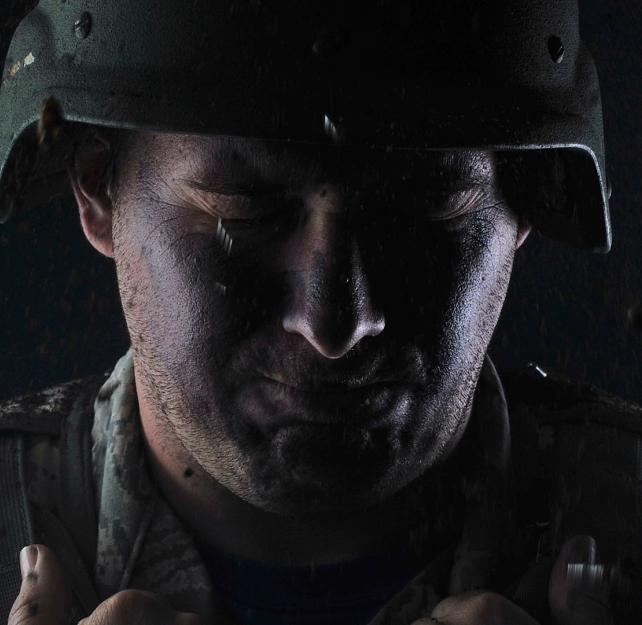
U.S. Navy Ensign Timothy Bleigh clearly recalls when the bomb went off. The Mine-Resistant Ambush Protected (MRAP) tactical vehicle flipped several times through the air before it landed partly on its roof. Bleigh shares his story and reflects on how his difficult recovery, which included a Traumatic Brain Injury (TBI), influenced how he approaches patient care.
Three of my four sons abruptly walked out of my life with no explanation and no communication. I was being ghosted long before that term even existed. It was, by far, the most painful part of my journey.
To be human is to grieve, and everyone grieves differently and in their own time. But there is a type of grief that many people experience that is less common, less talked about, but none the less real and painful. It’s called ambiguous grief or ambiguous loss.
If you are anything like me, when you or your loved one are first given a diagnosis, you research. There is so much information available online, it can be overwhelming or frustrating to know which is accurate, but I find research helpful in being able to report or advocate to doctors for both myself and my loved ones.
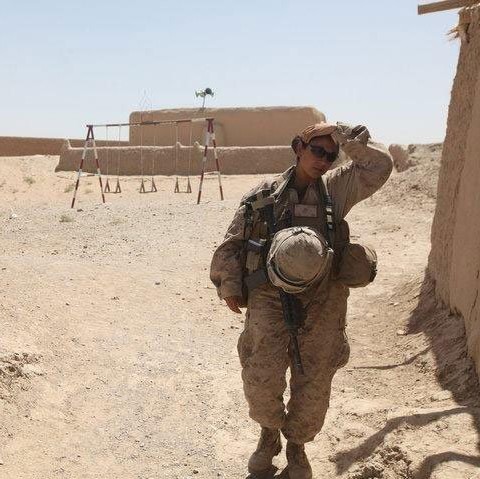
Genevieve Chase accomplishes everything she attempts. She made master sergeant in 15 years in the Army reserves... she was inducted into the Army Women’s Hall of Fame. In the military, she learned Pashto and was an intelligence soldier in Afghanistan. But, like a lot of military women, one dream eludes her: She hasn’t been able to get pregnant.
Here’s a TBI mind-twist: Looking forward to a holiday that just passed. All but forgetting that it’s already in the rearview mirror. “How does that work?” You might be asking.
Of all my post-TBI challenges, it is the speech difficulties that most affect my self-worth. Lost in a sea of garbled words, I feel less than the rest of humanity.
While packing for our trip, I never suspected that PTSD would steal a ride with us, but two of our four nights away found me with the type of horrifying PTSD episodes reminiscent of the early years after my accident.
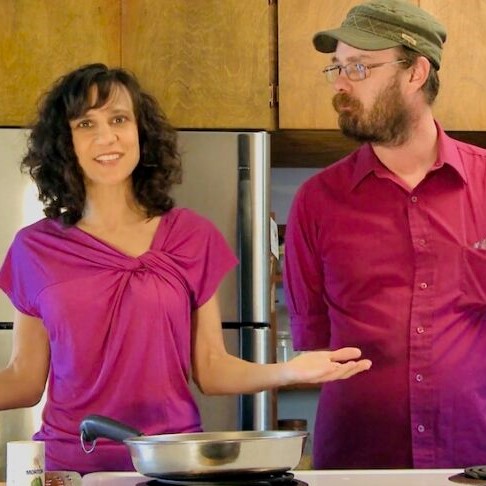
How does a traumatic brain injury affect the way you cook and eat? Filmmaker Cheryl Green, who has a brain injury, satirizes her own experiences in the kitchen in a short video called “Cooking With Brain Injury.”
These are difficult times. Life is challenging enough for the fully-abled, but add a traumatic brain injury to the mix, and things can get downright overwhelming.
Every year since my 2010 traumatic brain injury, I’ve taken the time to reflect back on changes that have come to pass during the prior year. This past year was no different, although what my reflection showed was not what some may call progress. Progress is not always measured with tangible facts.
In just a few days, the ten year anniversary of my cycling accident will be here. I have come a long way since everything changed in 2010. But just because things are okay most of the time does not mean that my brain injury disappeared.
I have been living as a brain injury survivor for almost a decade. Today I am sitting in my office, a busy day of work ahead of me. Never one to miss deadlines, I blocked off some time to let you know how I’m doing — how I am REALLY doing.