Use the filters to browse the information we have available or to narrow your search results for a specific audience (e.g. caregivers, military, children), a preferred type of content (e.g. videos, blogs, articles), or by topics of interest (e.g. family concerns, legal issues, symptoms).
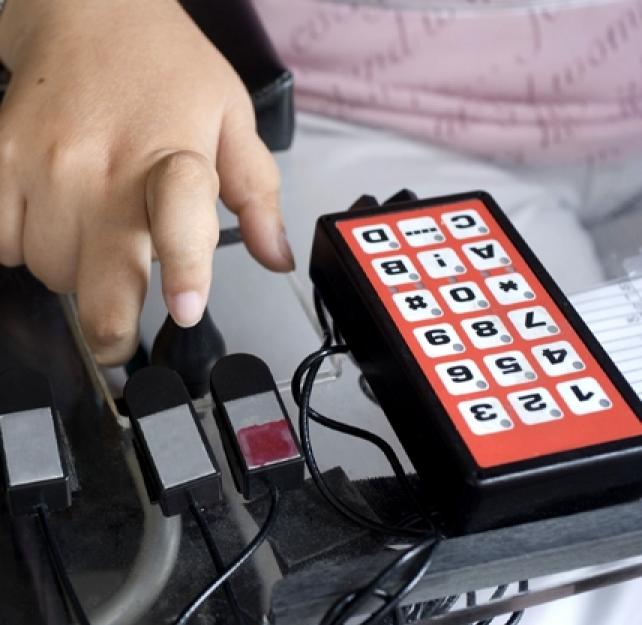
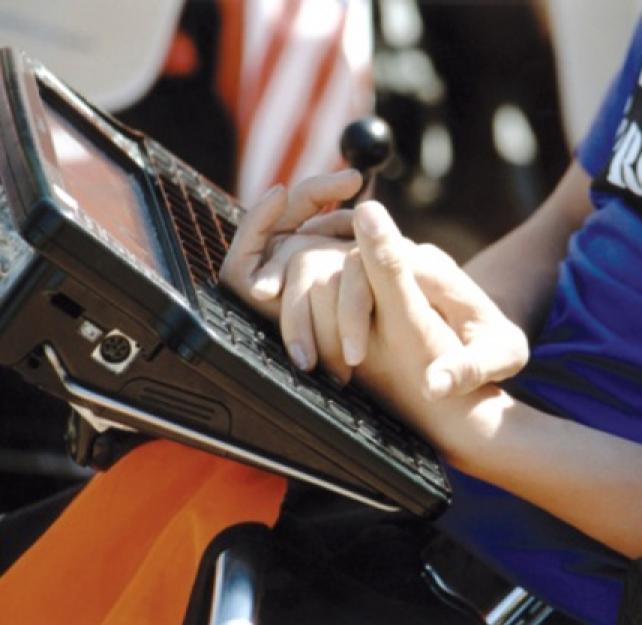
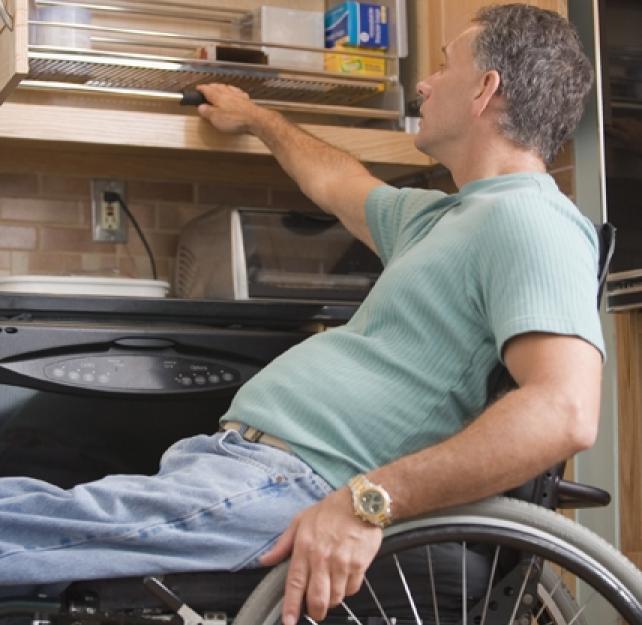
A brain injury can bring with it all sorts of challenges. A person’s balance may be off; he may have lost part of his field of vision; or his memory might be so compromised that within moments of seeing or hearing something, it’s gone. But like a magnifying glass for someone who has trouble reading the small print, there are many assistive technologies available for people with TBI.
Over the past decade, as smartphones, tablets, and all their millions of apps have emerged, opportunities to use these tools have mushroomed. Here are a few examples of the way mobile technologies have helped my clients with brain injury.
Kristi Kragthorpe hated technology before her brain injury. She didn't understand it and avoided it when possible. Since her TBI she's come to realize how valuable it can be in making life easier.
Michael Roy, MD, Col. (Ret.) talks about the efficacy of using Virtual Iraq for treating PTSD, an experiential technology with sights, sounds, and smells that can be highly individualized for the person's experience.
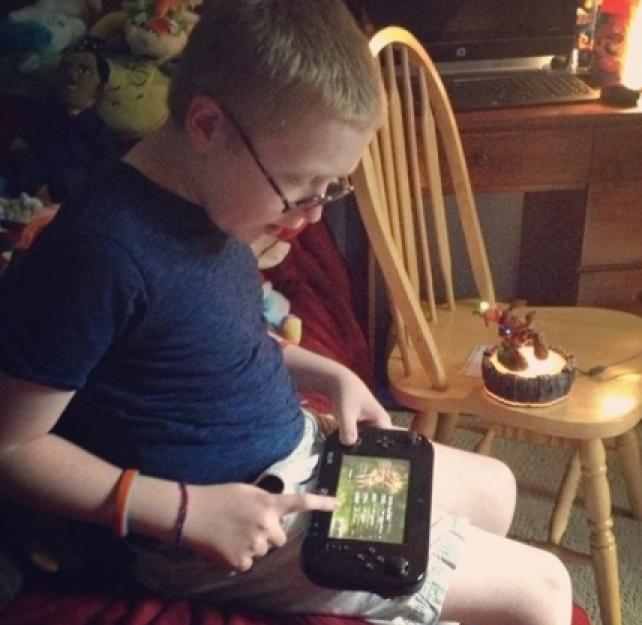
Assitive technologies for young kids can include low-tech items, like pillows and mirrors, as well as high-tech items, such as augmentative communication devices.
Participation in extra-curricular activities like art, music, theater, or sports comes with many benefits -- from social integration to higher self-esteem.