Use the filters to browse the information we have available or to narrow your search results for a specific audience (e.g. caregivers, military, children), a preferred type of content (e.g. videos, blogs, articles), or by topics of interest (e.g. family concerns, legal issues, symptoms).
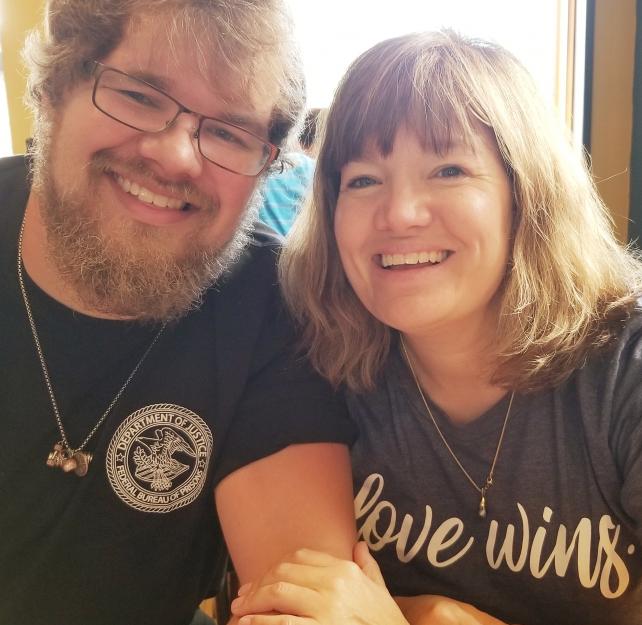
My name is Nicole Bingaman. I am a mother to three sons, all in their twenties. Our oldest son, Taylor, suffered a catastrophic brain injury seven years ago. There are some hard truths I’ve discovered about myself over the years. Please know some of them require great courage to share with you.
The association of dispositional optimism with health-related factors has been well established in several clinical populations, but little is known about the role of optimism in recovery after traumatic brain injury (TBI). Given the high prevalence of cognitive complaints after TBI, the present study examined the association between optimism and cognitive functioning after TBI.
Traumatic brain injury (TBI) is a leading cause of death and disability. Older adults are more likely than younger individuals to sustain TBIs and less likely to survive them. TBI has been called the “silent epidemic,” and older adults are the “silent population” within this epidemic. This study evaluates whether indicators of preinjury health and functioning are associated with risk of incident traumatic brain injury (TBI) with loss of consciousness (LOC) and to evaluate health‐related factors associated with mortality in individuals with incident TBI.
The Brain Injury Research Center at Mount Sinai Hospital is seeking volunteers who have had a traumatic brain injury and are experiencing difficulties in any of the following areas: • Understanding emotions • Feeling upset for no reason • Losing patience • Controlling behavior • Getting things done when upset • Taking it out on others when upset This online study delivers an emotion regulation
Something that I talk less about these days is how brain injury still affects me. And there are times, times like I am about to share, that brain injury still rears its ugly head, and leaves me completely bewildered and baffled.
Traumatic brain injury (TBI) can have lifelong and dynamic effects on health and wellbeing. Research on the longterm consequences emphasises that, for many patients, TBI should be conceptualised as a chronic health condition. Evidence suggests that functional outcomes after TBI can show improvement or deterioration up to two decades after injury, and rates of all-cause mortality remain elevated for many years. Furthermore, TBI represents a risk factor for a variety of neurological illnesses, including epilepsy, stroke, and neurodegenerative disease. With respect to neurodegeneration after TBI, post-mortem studies on the long-term neuropathology after injury have identified complex persisting and evolving abnormalities best described as polypathology, which includes chronic traumatic encephalopathy. Despite growing awareness of the lifelong consequences of TBI, substantial gaps in research exist. Improvements are therefore needed in understanding chronic pathologies and their implications for survivors of TBI, which could inform long-term health management in this sizeable patient population.
For close to nine years, I’ve been working on navigating life as a brain injury survivor. Thankfully, as time passes, my life as a brain injury survivor has gotten easier. Like any human being with a heartbeat, though, I have other health issues. These are health issues that need my attention and constant care. It is at the intersection of brain injury and some of my other health concerns where things can get very dicey.
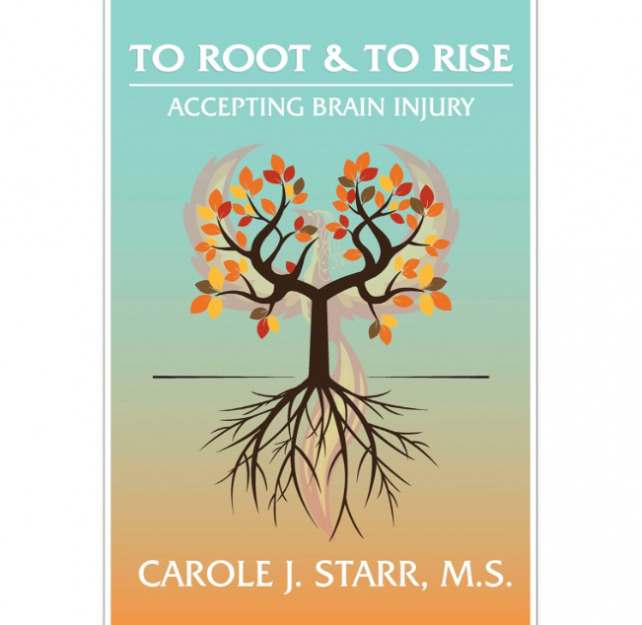
Finding acceptance after a brain injury isn't easy. "For a long while, I bucked against our reality. I found myself caught between what I had once known and an uncertain future. The in-between caused marked turmoil. As much as I didn’t want to accept Taylor’s brain injury as part of our lives, it is. As much as I wish it didn’t affect Taylor and our family … it does."
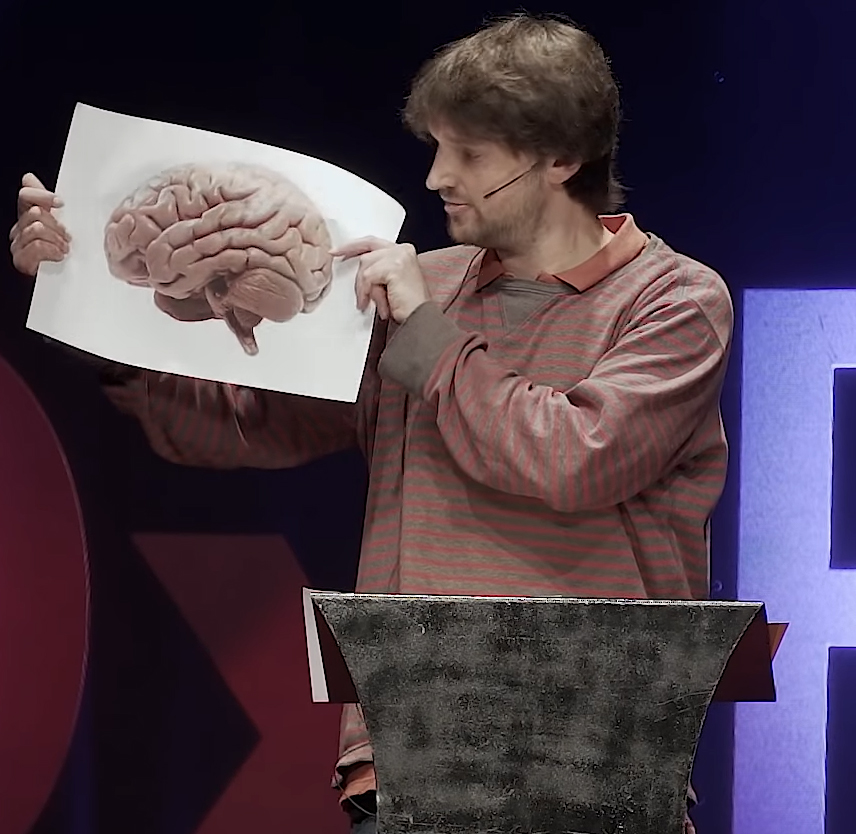
Recovering from a horrific accident, brain injury and defying all expectations, Ben Clench tells his story and shares important lessons around the way we provide and ask for support.
If you are new to a life that now includes brain injury and everything feels different and unfamiliar, you are not alone. We all go through it. But I can share with you that time will change your perspectives...
The Amazing Brain Injury Survivor Support Group in Framingham, MA, shares what they wish they had known earlier about living with brain injury. We invite you to add your thoughts as well!