Use the filters to browse the information we have available or to narrow your search results for a specific audience (e.g. caregivers, military, children), a preferred type of content (e.g. videos, blogs, articles), or by topics of interest (e.g. family concerns, legal issues, symptoms).
The Insight segment focuses on the current events in Afghanistan, how they're impacting those who have served, and some potential ways to address how we feel about it.
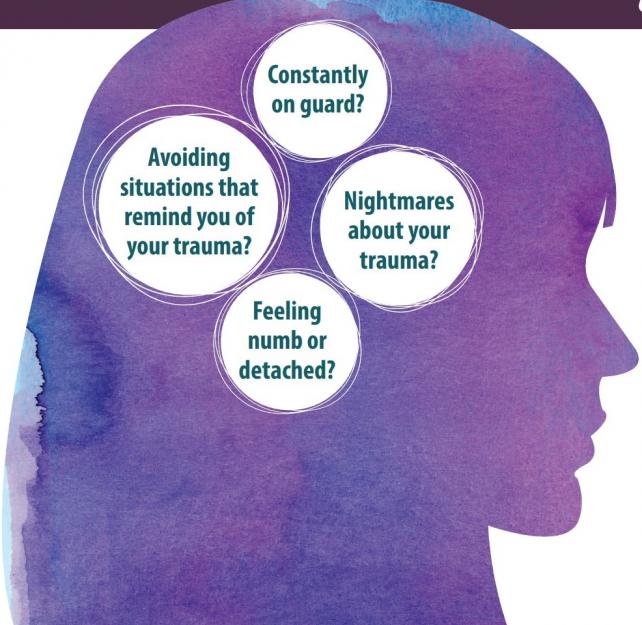
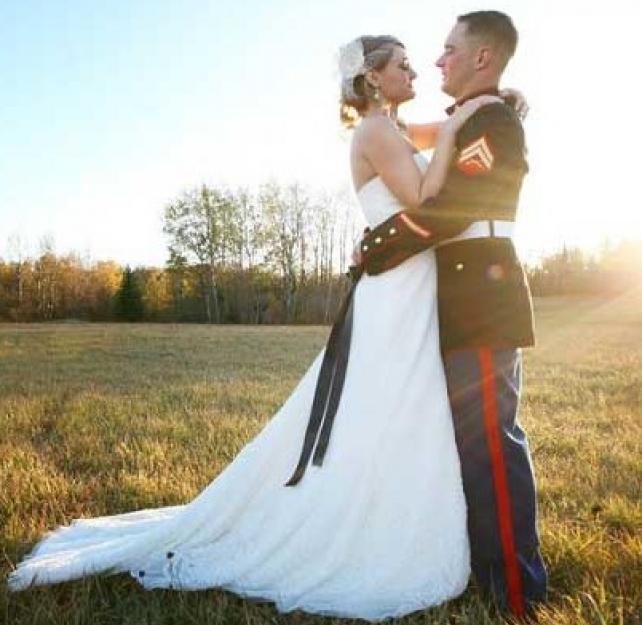
PTSD can make somebody hard to be with. Living with someone who is easily startled, has nightmares, and often avoids social situations can take a toll on the most caring family. Early research on PTSD has shown the harmful impact of PTSD on families.
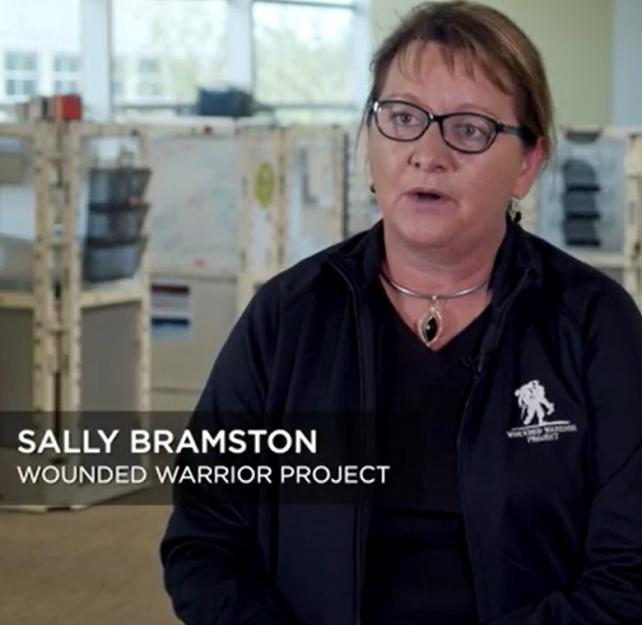
Wounded Warrior Project is mounting a campaign to call and offer support to approximately 40,000 veterans of the Afghanistan War amid recent developments.
The news about the United States withdrawing military forces from Afghanistan is hard to stomach. I am angry. I am sad. And I am worried. Worried about the people left there under the Taliban regime. Worried about the possible backlash to the Muslim community here in the United States. Worried about the troops still there working with humanitarian aid. Worried about the veterans and their families who sacrificed so much. Decades of work, deployments, injuries, and death for seemingly nothing.
Dr. Balbir shares how the Wounded Warrior Project's Independence Program supports and provides additional wrap-around services for veterans after they transition home.
Duane France has a conversation with Layla Hernandez, Behavioral Health Manager for Silver Key Senior Services. In the Insight Segment, Duane looks at former service members who might be overlooked when it comes to mental health.
Trauma is common in women; five out of ten women experience a traumatic event. Women tend to experience different traumas than men. While both men and women report the same symptoms of PTSD (hyperarousal, reexperiencing, avoidance, and numbing), some symptoms are more common for women.
Sir, I do not request an apology, explanation, or acknowledgment of my letter. As a lecturer at Texas A&M who advises future leaders, I wrote this to say that I mattered then, and I matter now. I did not deserve to be relegated to a second-class soldier.
This week Duane France explores the paradoxes service members face, a conversation with Eli Varney, combat veteran and mental health counselor and the resource of the week: Onward to Opportunity.
Duane France talks with Kate Hatten, Executive Director of The Homefront Military Network, highlights the resource of the week, CASA of the Pikes Peak region.
Because traumatic experiences are frequently unresolvable or difficult to make sense of, the stories we tell about them lack a resolution as well. I’m reminded, for example, of a story relayed to Michael Herr, a war correspondent who spent a year in Vietnam and later wrote a book titled Dispatches about his experiences there. (He also co-wrote Full Metal Jacket with Stanley Kubrick.)
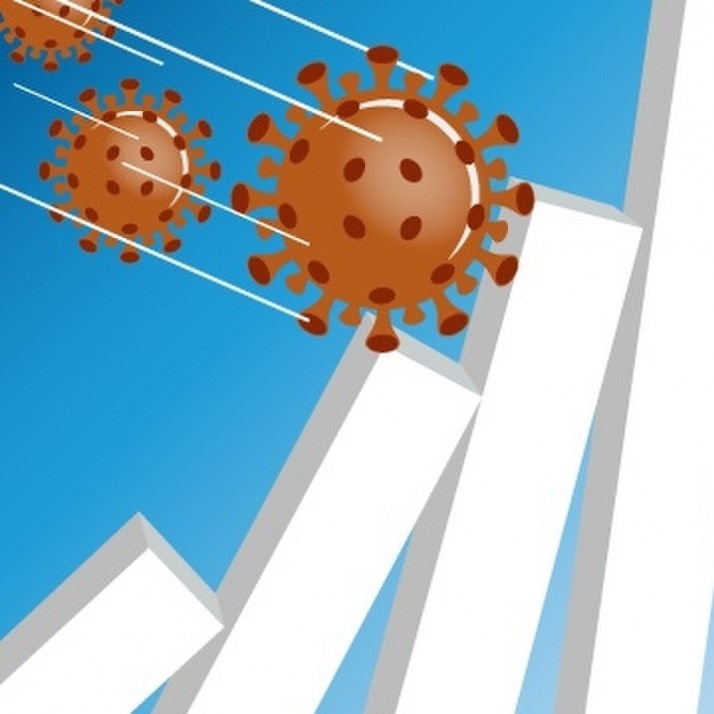
Military veterans may be at elevated risk for COVID-19–associated psychiatric issues given high rates of preexisting psychiatric conditions, such as posttraumatic stress disorder (PTSD) and suicidal ideation (SI). In this survey study, we analyzed data from a national sample of US military veterans to examine (1) the prevalence of COVID-19–associated PTG among veterans with and without COVID-19–associated PTSD symptoms and (2) the incremental association between PTG and SI during the pandemic.
Duane France talks with Charlton Clarke, a licensed professional therapist and co-clinical director at the Family Care Center. Plus the reasons why service members avoid therapy and the resource segment highlighting Project Sanctuary.
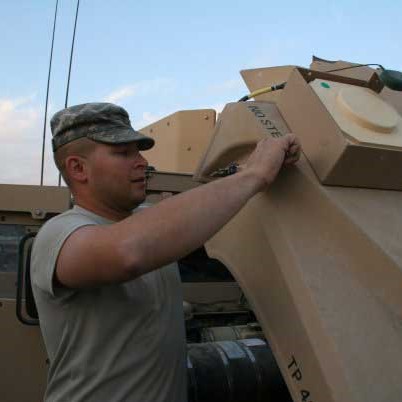
I stared through a sand-crusted windshield. It was more of a film, wiped clear along the path of the wiper blades. A dirty blonde desert haze, matching the Humvee’s paint—not that weird orange-tinged tone oddly clinging to some of our vehicles.
This week on Inside the Military Mind, your host Duane France interviews Molly Wingate, founder and executive director of Poetry Heals. Plus, information on Angels of America's fallen and more on Inside the Military Mind, presented by Family Care Center.
Most people have stress reactions after a trauma. Having such a reaction has nothing to do with personal weakness. Stress reactions may last for several days or even a few weeks. For most people, if reactions or symptoms that feel like PTSD occur, they will slowly decrease over time.
Women represent the fastest-growing segment of the veteran population – they make up 9% of the total veteran population in the U.S. (U.S. Census Bureau, 2019), and are projected to make up 16% of all living veterans by 2043 (National Center for Veteran Analysis and Statistics, 2017). Of warriors who completed the 2020 Wounded Warrior Project® (WWP) Annual Warrior Survey, 20% are women – a larger representation when compared to the general veteran population.
Connor Martin and his family donated his brother Kevin Ash's and evidence of CTE was discovered, a condition that can only be diagnosed after death. Kevin's family encourages others to donate as well so we can learn more about brain injuries and CTE.