Use the filters to browse the information we have available or to narrow your search results for a specific audience (e.g. caregivers, military, children), a preferred type of content (e.g. videos, blogs, articles), or by topics of interest (e.g. family concerns, legal issues, symptoms).
Bob Duncan talks about his son having to make the very difficult but wise decision to take a medical withdrawal from college to let his brain rest properly after a concussion.
Bob Duncan talks about the fact that even a year post-injury, his son still follows some of the doctor's guidelines like limiting his workload or exposure to TV.
Dr. Jack Tsao talks about recent policy changes and how all branches of the military are working together to coordinate better concussion diagnosis and treatment.
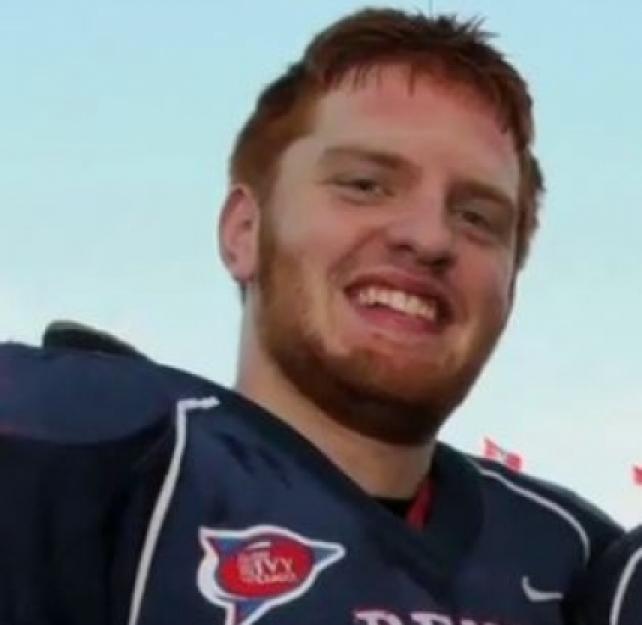
The issues of sports-related concussions and chronic traumatic encephalopathy were intensified when the brain of a deceased 21-year-old football player was examined.
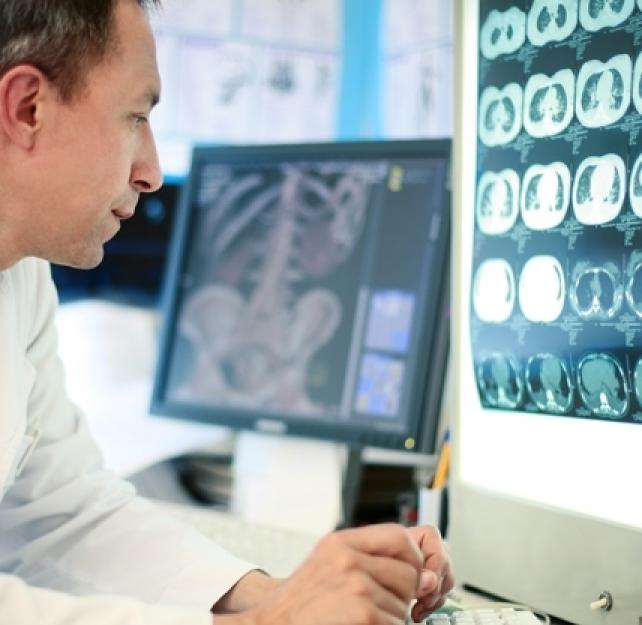
This Psychology Today blogger writes about imaging studies that show that people who sustained a mild TBI showed subtle brain abnormalities in the frontal lobes four months later.
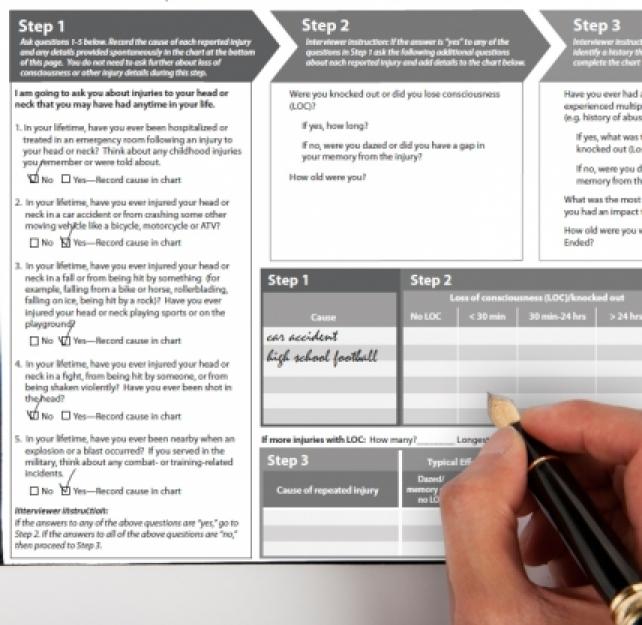
This presentation provides health care and social service professionals with an interview guide designed to elicit a patient's history of traumatic brain injury.
A concussion can occur without the person losing consciousness. This fact sheet provides information to athletes about preventing, recognizing and responding to a concussion.
After 9.11 with the service members returning home with TBI and PTSD plus concussed athletes at all levels making the news, awareness of TBI started to bubble more rapidly.
How could going to Walmart ever feel "normal" after combat-induced stress? Dr. Shane McNamee of the VA talks about the physical and psychological effects of blast injuries.