Use the filters to browse the information we have available or to narrow your search results for a specific audience (e.g. caregivers, military, children), a preferred type of content (e.g. videos, blogs, articles), or by topics of interest (e.g. family concerns, legal issues, symptoms).
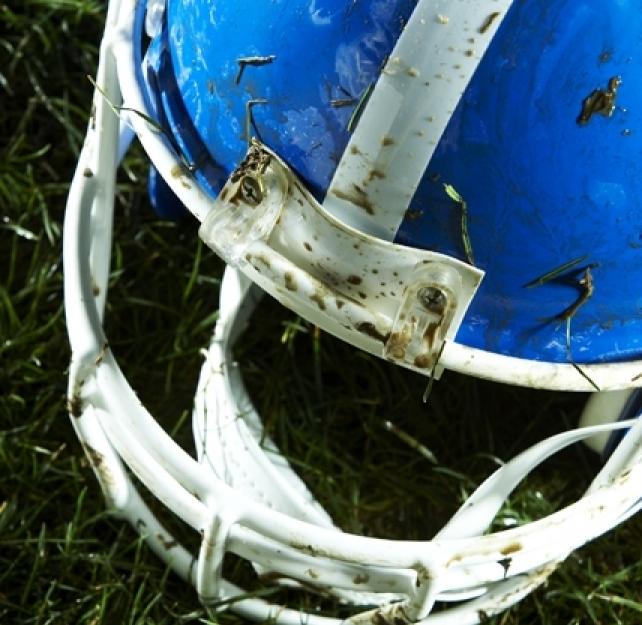
So far, research shows that chronic traumatic encephalopathy does not occur in people who have not sustained repetitive hits to the head either in sports or in combat.
Using animal models in the lab to study the mechanisms of blast-related brain injury, researchers like Dr. Lee Goldstein are feeling optimistic that their findings will lead to viable treatments.
Researchers like Dr. Lee Goldstein are studying the effects of repetitive brain injury whether sustained over a season on the football field or in milliseconds from one combat blast.
Dr. Lee Goldstein explains how the axons, capillaries, and blood vessels in the brain are sheared when a "bobblehead" head on a rigid neck accelerates back and forth.
In recent wars, there has been more programmatic effort to treat and evaluate soldiers with TBI and PTSD. But are these issues any better resolved than they were 30, 50, 100 years ago?
Dr. Jordan Grafman talks about the Vietnam vets in a longevity study who were able to create stable, good lives for themselves and their families without much systemized rehab like there is today.
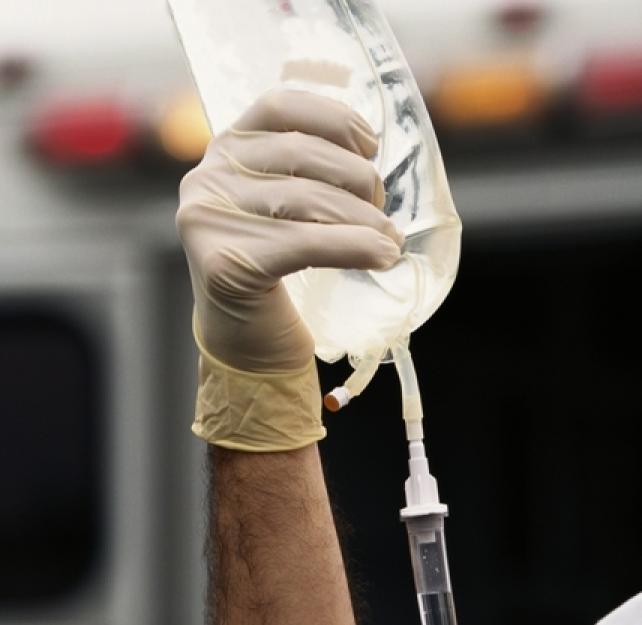
It can take hours from the time someone sustains a moderate to severe TBI for doctors to diagnose, test, and attain consent to use an experimental drug like methamphetamine.
Dr. Geoffrey Ling talks about DARPA's tiny blast gauge, which worn now by 11,000 soldiers, can quantify who is at risk for brain injury so that they can get screened and treated more quickly.
With the burgeoning understanding of the cellular and biochemical effects of brain injury, pharmacologists can successfully intercede with more promising standardized treatment.
Dr. Geoffrey Ling talks about the importance of an interdisciplinary team to treat TBI and PTSD because oftentimes, if one is left untreated, treatment for the other often stays stalled.
Dr. Geoffrey Ling talks about misconceptions about mTBI — from thinking a concussion is different from a mild TBI to believing that a mild TBI will always come with life-long, debilitating consequences.
Although other treatments for second impact syndrome are being studied, the two hallmark treatments now are rest and removal from play. They should not be underestimated.
Dr. Geoffrey Ling talks about the military's success in creating a standard, system of care for TBI — from immediate assessment to admittance into a concussion restoration center.
Pediatrician Rachel Berger talks about her research on blood biomarkers that could be used in the emergency setting to test for brain injury in babies and young children.
Pediatrician Rachel Berger talks about the importance of being aware of a child's early concussion in case later he or she has trouble reading or is acting out ... the two may be connected.
Unlike adults, children with a brain injury may not manifest any issues until they fail to reach a new developmental stage. Earlier intervention is always advisable, but diagnosis can be tricky.
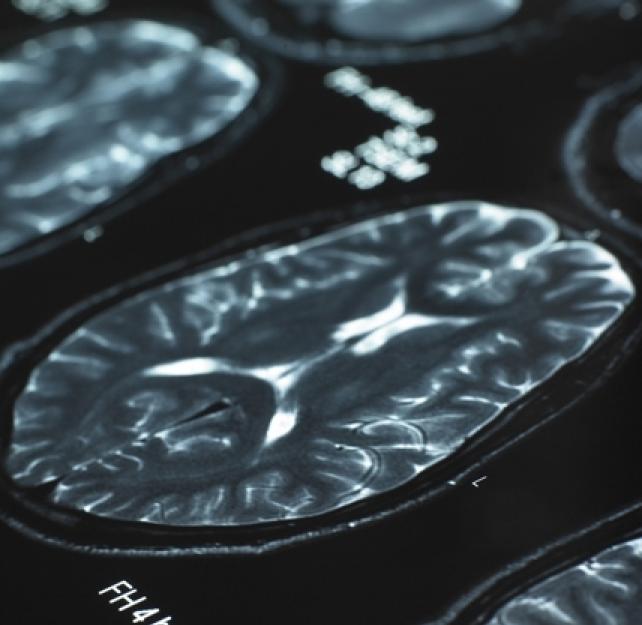
Both CTs and MRIs come with risks — from sedative drugs to levels of radiation. Depending on the severity of brain injury, parents and doctors should always consider the risk-benefit ratio.