Use the filters to browse the information we have available or to narrow your search results for a specific audience (e.g. caregivers, military, children), a preferred type of content (e.g. videos, blogs, articles), or by topics of interest (e.g. family concerns, legal issues, symptoms).
In this cohort study of more than 350 000 veterans, even mild TBI without LOC was associated with more than a 2-fold increase in the risk of dementia diagnosis.
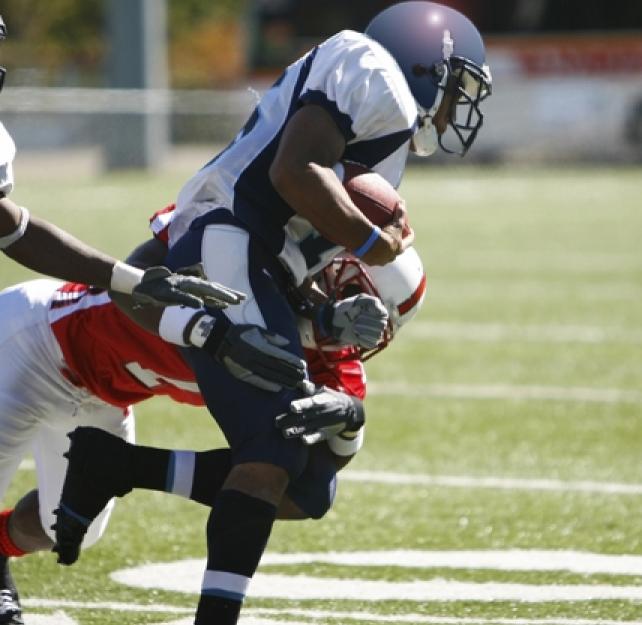
An analysis of news reports and high school participation data determines if there is an association between concussion concerns and declining participation of high school football.
Light-induced pain or discomfort, or ‘photalgia’ (otherwise known as light sensitivity, photophobia, asthenopia, photoallodynia or photodynia) is a well-known consequence of mild traumatic brain injury.
“You’re supposed to rest after concussion.” This advice has been given countless times to patients recovering from concussion. How did we get here, what is the evidence that brought us here, and what does the evolving evidence actually tell us?
Study finds presence of abnormal saccadic eye movements, diminished accuracy of primary saccadic horizontal eye movement, and a widespread slower reaction to both visual and auditory stimuli.
There are times when it feels like things cannot get any more surreal, and then they do. Such is the unexpected life that unfolds for so many of us after brain injury.
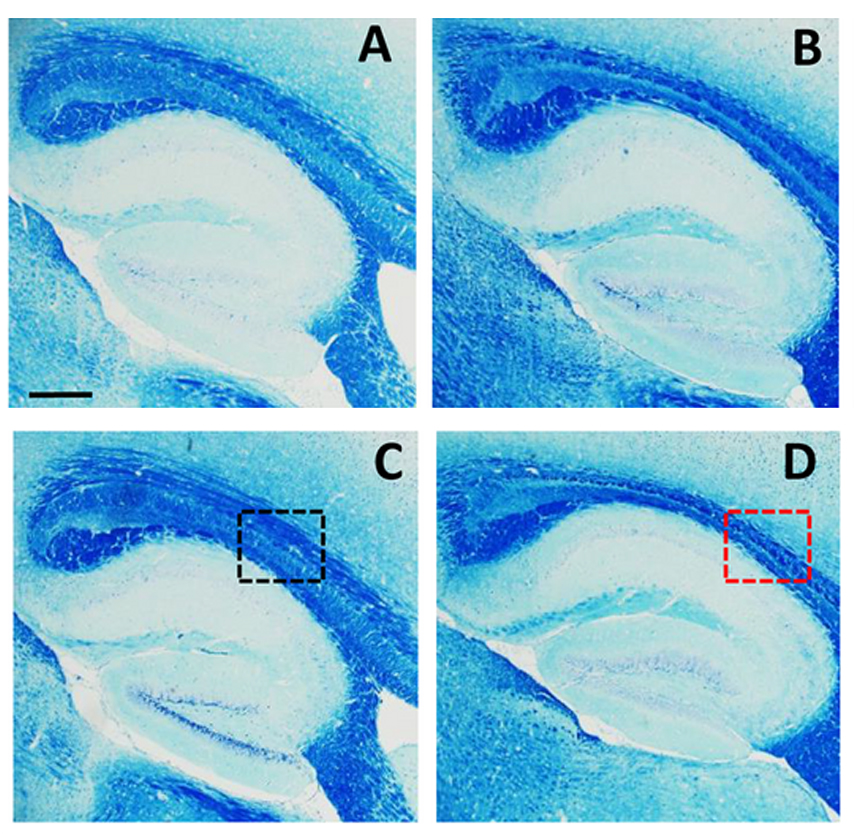
Study establishes the first comprehensive profile of the chronic behavioral and neuropathological consequences of single and repetitive mild traumatic brain injury over the lifespan of an animal.
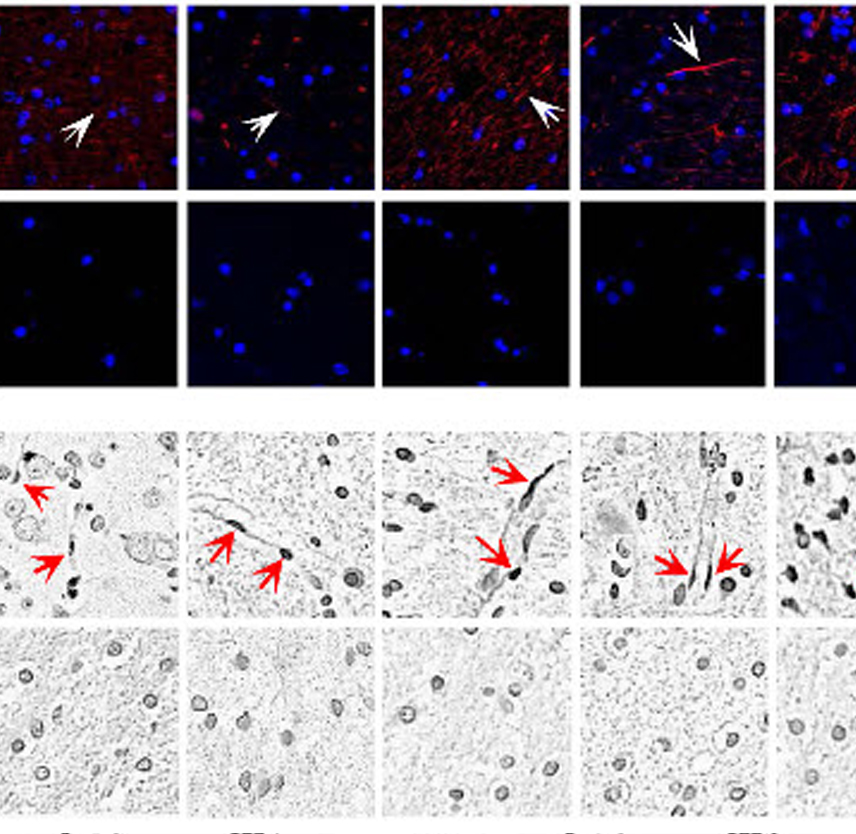
A Harvard Medical School study published in Nature Communications shows a molecular relationship between TBI and CTE but also a possible treatment mechanism — just not one that can be used to treat humans quite yet.
None of these challenges is blatant to the naked eye, but spend a bit of time with me, and you’ll learn soon enough that I’m not as normal as I look. Such is the nature of being invisibly disabled.
Understanding the puzzling and complex nature of concussion and how to treat it will take a whole new way of approaching the problem, according to new research led by Portland State University.
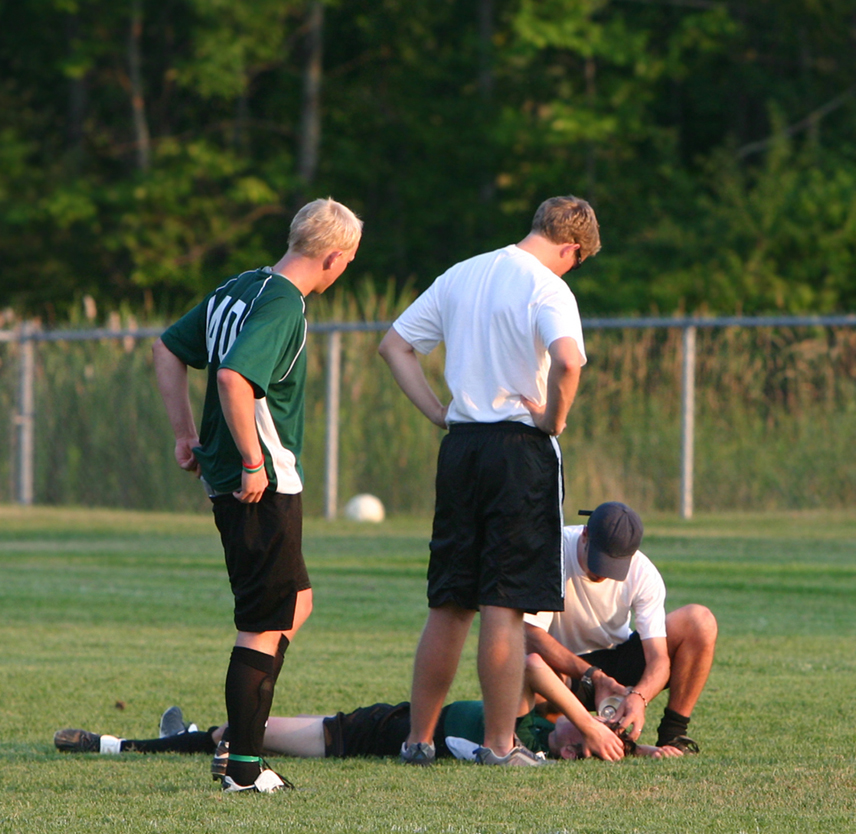
A new University of Michigan study confirms what many hospital emergency rooms nationwide are seeing: Teens playing contact sports suffer from concussions.
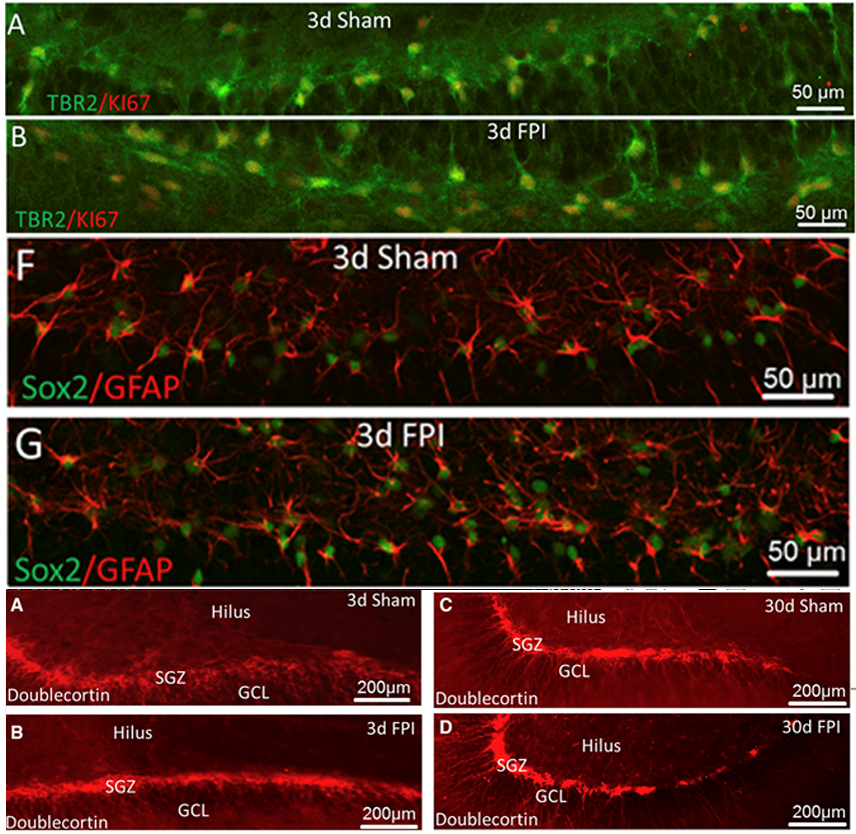
New research challenges the prevailing scientific assumption that, during recovery from head trauma, excessive neurogenesis (birth of new brain cells) is advantageous.
Study compares abnormal menstrual patterns in adolescents and young women with a sport-related concussion and those with non-head sport-related orthopedic injuries.
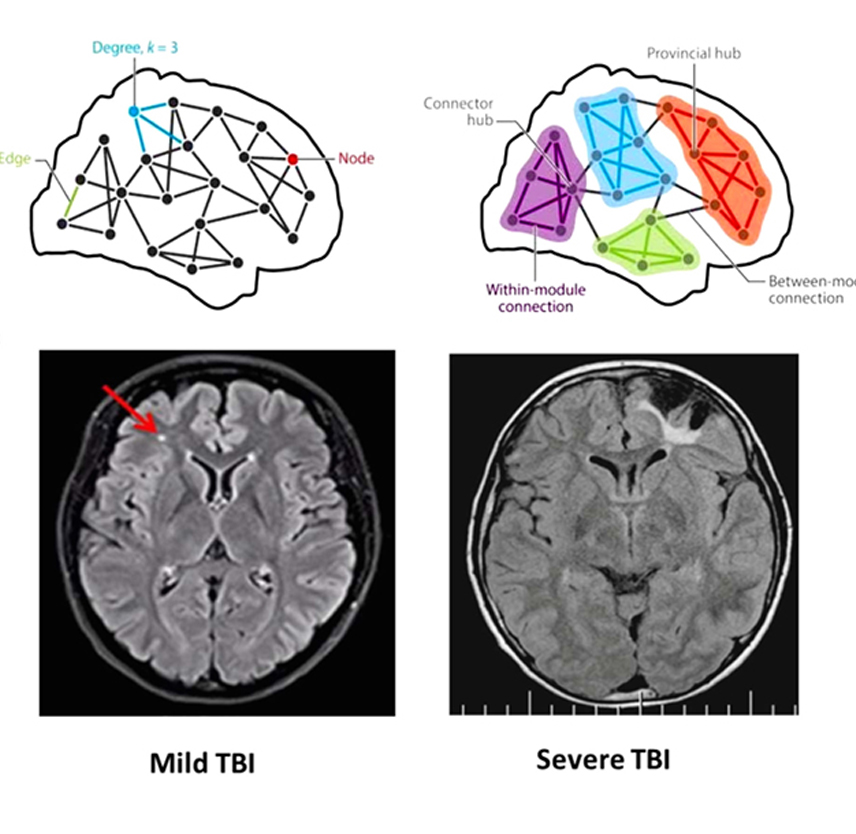
Hospital care after someone has a traumatic brain injury can run the gamut from a quick neurological checkup and perhaps an MRI imaging test to months of fulltime monitoring and care.