Use the filters to browse the information we have available or to narrow your search results for a specific audience (e.g. caregivers, military, children), a preferred type of content (e.g. videos, blogs, articles), or by topics of interest (e.g. family concerns, legal issues, symptoms).
Dr. Robert Cantu talks about how growing research is showing that CTE not only occurs in the brains of older athletes who have sustained multiple hits to the head, but also in athletes as 17.
Dr. Robert Cantu talks about the various therapies to help athletes with the prolonged symptoms that often come with post-concussive syndrome which can significantly alter quality of life.
Ironically, there are fewer rules and less education about sports concussions in youth sports than in the pros. Dr. Robert Cantu says standard guidelines should be mandated across the board.
Dr. Robert Cantu explains why the brains of children are more vulnerable to concussion — from nerve fibers in the brain that are more easily torn apart to the size discrepancy between their large skulls and little necks.
Dr. Robert Cantu talks about his collaboration with Christopher Nowinski and the Sports Legacy Institute, a not-for-profit working to advance the study, treatment, and prevention of the effects of brain trauma in athletes and other at-risk groups.
Dr. Robert Cantu describes in details various scenarios to help parents better understand when they can feel safe monitoring their child's symptoms themselves, when to take them to the doctor, or when to rush them to the emergency room.
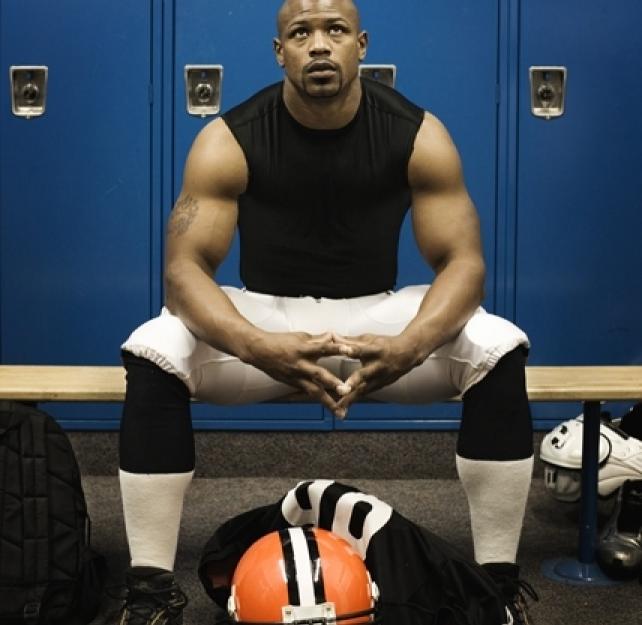
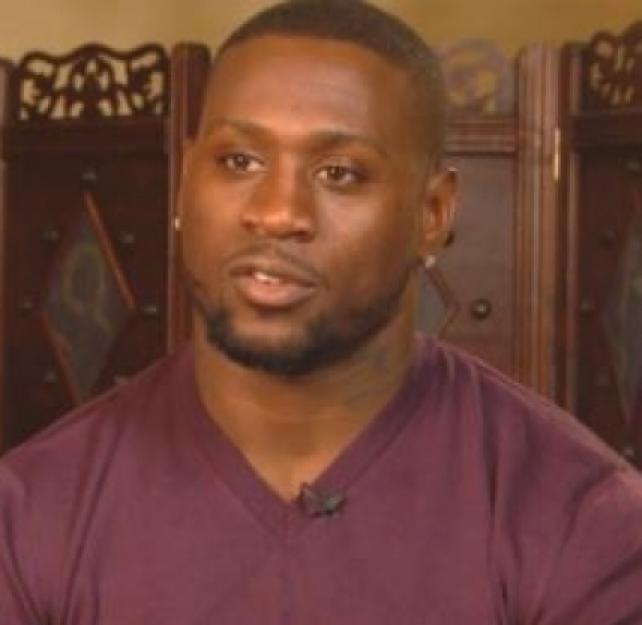
Retired player Thomas Jones — who played 12 years in the NFL, 4 years in college, and 3 years in high school — explains why "there is more to being in the NFL than you see on TV."
Retired NFL player Thomas Jones talks about players who have committed suicide and how that has influenced how he thinks about football, living, and dying.
Retired NFL player Thomas Jones is making a documentary about the players, the fans, the money, the concussions, the suicide and how all these parts are like a "bad puzzle where none of the pieces fit together."
Retired NFL player Thomas Jones talks about the nature of being in the NFL -- from using fear as an effective motivator to knowing that the only constant is change.
From seeing double to feeling like you are having an out-of-body-experience, retired NFL player Thomas Jones does not mince words on what a football-related concussion really feels like.
To younger players with concussions, retired NFL player Thomas Jones would say to ask questions and take care of yourself because even though the coaches and trainers care about you, they care about winning more.
Retired NFL player Thomas Jones talks about how the NFL is making some rule changes and teammates are looking out for each other more, but the game of football is and probably always will be dangerous.
Retired NFL player Thomas Jones wonders if he will develop CTE from cumulative concussions sustained playing football, but there is nothing to do about it but exercise your brain, learn what you can, and share your life with your loved ones.
A concussion can occur without the person losing consciousness. This fact sheet provides information to athletes about preventing, recognizing and responding to a concussion.
Getting an effective blood biomarker test for TBI from bench to bedside with FDA-approval along the way is no small feat. Dr. Ronald Hayes talks about two proteins for which researchers have high hopes.
Researchers like Dr. Lee Goldstein are studying the effects of repetitive brain injury whether sustained over a season on the football field or in milliseconds from one combat blast.
CTE has been getting a lot of press — the subconcussive blows, the development of CTE — where do you think this all comes into concern for youth contact sports? Does it really start in these younger kids?