Use the filters to browse the information we have available or to narrow your search results for a specific audience (e.g. caregivers, military, children), a preferred type of content (e.g. videos, blogs, articles), or by topics of interest (e.g. family concerns, legal issues, symptoms).
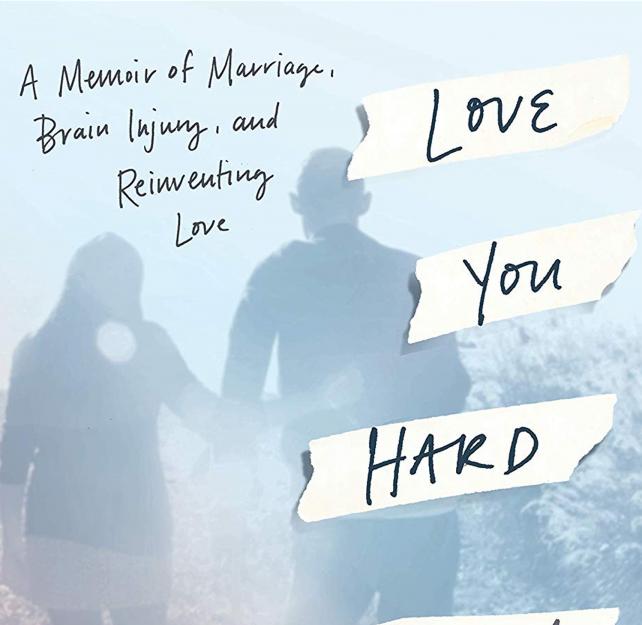
This book packs a lot of wisdom. You’ll learn about aphasia; you’ll understand ambiguous loss; you’ll follow Abby down dark hallways and into sunlit rooms and learn what it means to own a life built on raw truth.
The emotional equivalent of being caught in the undertow came earlier this week. I was scrolling through old photos, reconnecting to moments captured in time. I found my mind trapped in the tumultuous waters of ambiguous grief, fighting my way to the surface.
I don’t often write about my teen kids. But in this case, I want to share something. I need to, because coming full circle means that I get to let go a little of this job of informing our kids what happened to their wonderful father.
Life inside the bubble of brain injury is a roller coaster. In our bubble, the daytime is generally good. Nighttime brings the opposite. Each evening, Taylor's post-injury thought process evolves into a profound sense of sadness, frustration, and defeat. It is hell to witness.
Your child was seen today for a concussion. Use this article to help you watch for changes in how your child is feeling or acting, and to help your child feel better.
It’s time for a broader, braver dialogue around gender and caregiving. It’s time to start talking about the transformation in identity that occurs when one spouse adopts the role of the other. It’s time to recognize that caregiving is a role that requires the revision of gender norms and the acceptance of power transfers.
After my son was diagnosed with a severe brain injury, despite the shock, I remember hearing Steven’s healthcare providers repeating the word caregiver, over and over, as if they were determined to make me, of all unqualified people, claim the title. I felt an urgency to scream that nowhere on my resume indicated that I was qualified to take care of a severely, brain injured son.
In learning how to manage the small, we become better equipped to manage the large. A well-rounded caregiver doesn’t just come into being because a trauma occurred. Becoming is a process, a transformation.
If your survivor is not yet ready for rehabilitation but no longer requires the special care of an acute hospital, your health insurer will no longer pay the hospital bill. In this situation, you have three options: pay the bill yourself if a bed is available, care for your patient at home or place your loved one in a long-term care facility, such as a nursing home, until they are ready for rehabilitation. Given that some nursing homes provide substandard care and most have little expertise in brain injury, this can be a chilling prospect.
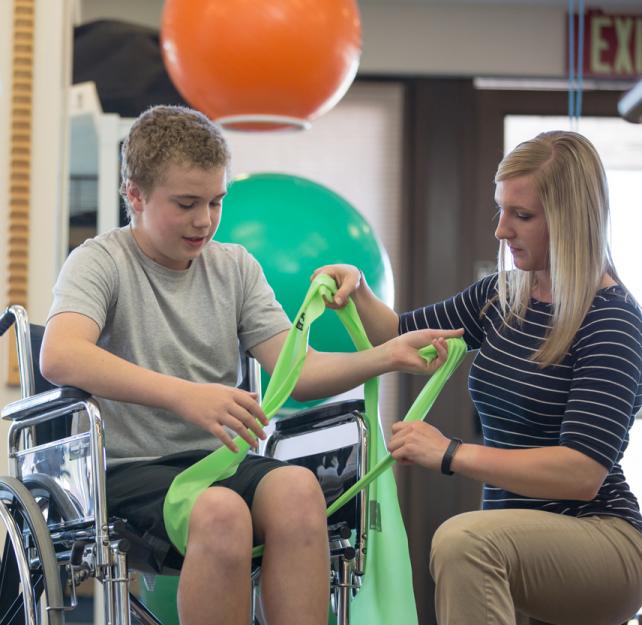
Questions to ask about your loved one's rehabilitation program after a moderate to severe brain injury — questions about the rehab program and rehab team, the role of the family in rehab, addressing behavioral problems and cognitive impairments, paying bills, planning for discharge and daily life.
Selecting a rehab facility is a crucial decision. It should not be rushed. There are hundreds of rehabilitation programs. They vary considerably in the philosophy, quality, and variety of the services they offer.
In an ideal world, rehabilitation begins as soon as the survivor is medically stable. No patient should be kept in an acute hospital setting or a nursing home any longer than necessary. Combining the brain’s natural healing process with rehabilitative therapy is crucial to the success of one’s recovery.
All survivors of a serious brain injury acquire a mix of lifelong impairments, but through hard work, they can regain some abilities lost to their injuries. How is this possible?
Post-traumatic amnesia is a state of awareness survivors pass through on their way from a coma to full consciousness. Many survivors, when they begin rehabilitation, are going through post-traumatic amnesia.
In August, we were presented with both high and low points. Our son, Taylor, was able to attempt to return back to work two days a week. Within fifteen days of returning to work, Taylor lost his brain injury service waiver. We had to hope nothing happened. And then…it did.
After the accident, we knew nothing would be the same, but we were not prepared for how strongly our emotions would swing during holidays and changes of seasons.
Being a survivor takes dedication. From my vantage point, you have to be many things. The first, and perhaps most obvious is that survivorship requires strength. Strength is required no matter what stage of recovery or healing the survivor is in.
My case manager’s brain was pondering the logistics and the potential extent of Christine’s injuries. But my brain as a Mother was focused intently on keeping myself together so that I could be effective.
I wish I had found Alix Kates Shulman’s memoir "To Love What Is: A Marriage Transformed" in the first month of my husband’s severe TBI, and yet I may not have absorbed it the way I did reading it fifteen years post-injury.
The losses due to a brain injury are “moving targets” which continue to change over a long period of time: thus the losses are “mobile.” The injured individual and their family can't fully grieve lost abilities because there is no way to know which abilities are lost forever and which will eventually return.
Our minds are both a beautiful and cruel playground, brain injured or not. Be careful about what you let on that playground, and when your thoughts seem to lean severely in a negative direction, recognize that in painful times, we sometimes think and believe things that are untrue