Use the filters to browse the information we have available or to narrow your search results for a specific audience (e.g. caregivers, military, children), a preferred type of content (e.g. videos, blogs, articles), or by topics of interest (e.g. family concerns, legal issues, symptoms).
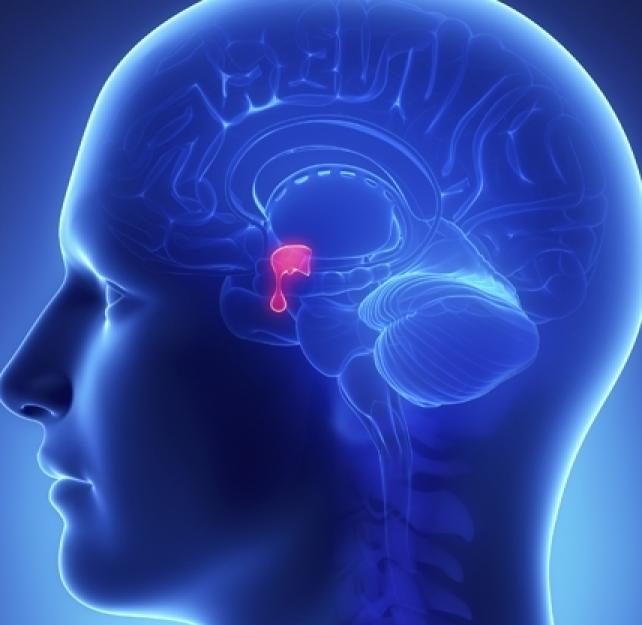
Symptoms of hypopituitarism — a condition in which the pituitary gland does not produce normal amounts of some or all of its hormones — would most likely show up soon after a TBI.
Dr. Heechin Chae explains how the brain — in response to the neurochemical changes from an injury — can go into a protective state, a defensive state to protect itself from further injury.
At first, Rosemary thought Hugh was kidding around with his food. She soon found out he wasn't; he was "pocketing," part of left neglect that can come with brain injury.
Studies show that combining rehabilitation for attention issues and physical mobility may be effective for those recovering from a severe brain injury.
Occupational therapist Kristen Maisano talks about the most common symptoms of mild TBI and PTSD, like emotional regulation and sleep issues, and what strategies can help.
Traumatic brain injury makes quirky seem quirkier, especially when a person is in the initial months of recovery. Rosemary learned that Hugh's loss of his sense of smell came with both dangers and quirkiness.
Dr. Jordan Grafman talks about how people who had a higher level of skills, interests, and motivation before a brain injury tend to have a better outcome than those who did not.
Pediatrician Rachel Berger talks about the importance of being aware of a child's early concussion in case later he or she has trouble reading or is acting out ... the two may be connected.