Use the filters to browse the information we have available or to narrow your search results for a specific audience (e.g. caregivers, military, children), a preferred type of content (e.g. videos, blogs, articles), or by topics of interest (e.g. family concerns, legal issues, symptoms).
Designed to measure post-acute outcome, the Mayo-Portland Adaptability Inventory helps providers measure the progress of people with TBI and tailor appropriate treatment plans.
People with TBI who may need life-long care need someone to network and advocate for them. This is not always an easy job, and sometimes family members are not cut out for it.
In the next 5-10 years, we could see revolutionary changes to the way brain injury is treated, diagnosed, managed, and understood as an overall disease process.
It's disheartening for physicians to have to tell families with a loved one with severe TBI that, to date, there is no definitive treatment besides waiting and offering support.
When the brain is injured, the body's reparative system calls in the "clean-up cells." Unfortunately, they clean indiscriminately, which can cause more damage.
The most damage from a TBI does not come from the injury itself but from the secondary consequences. Learn how progesterone can help because of its pleiotropic nature.
Once the efficacy study proves definitively that progesterone works as a treatment for moderate to severe TBI and is FDA-approved, progesterone would be a cheap and readily available drug.
In the Phase III trial, humans are given natural progesterone — which comes from yams — within a four-hour window when it can coat the brain and offer neuro protection.
The story of one young man gives researchers like Dr. David Wright great hope that progesterone can be an effective treatment to help people recover from moderate to severe TBI.
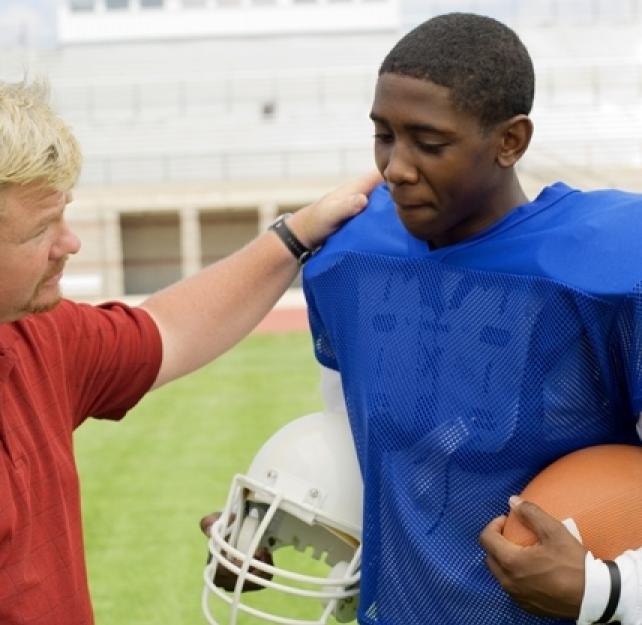
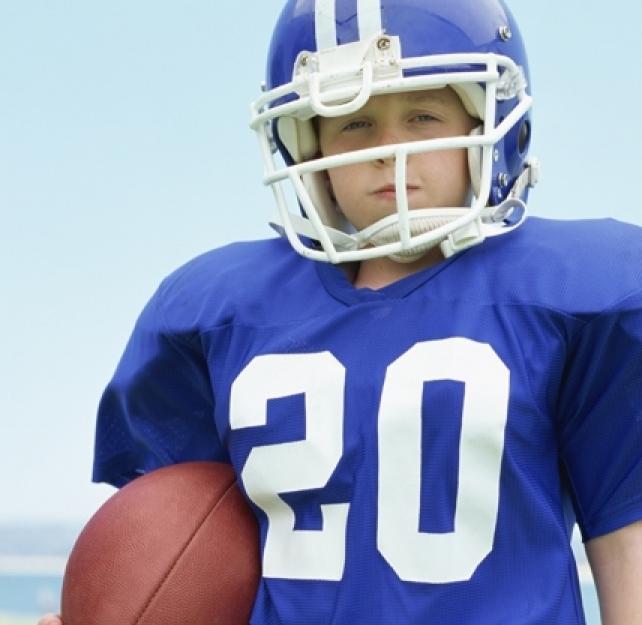
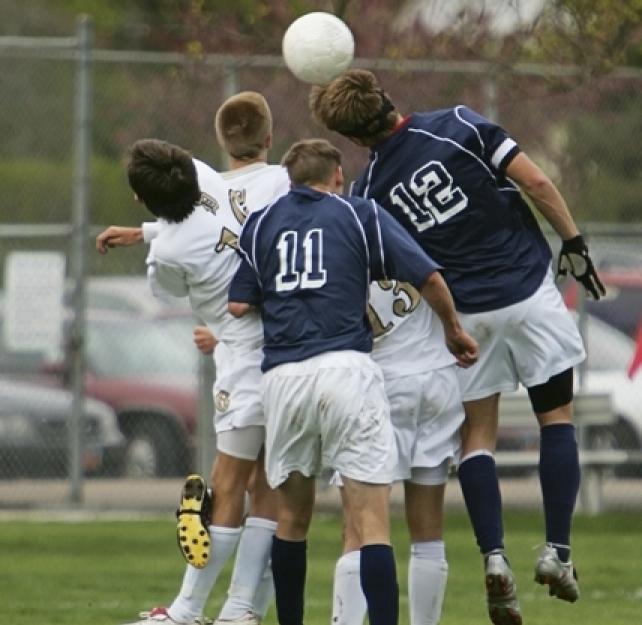
Concussion is not just a football injury. Athletes, parents, coaches, and teams need to address the issues of concussion in all sports and with all ages and both genders.
The NFL and the military are currenty testing how better to detect and understand concussions through various mechanisms like sensors in helmets, mouthpieces, and earpieces.
After 9.11 with the service members returning home with TBI and PTSD plus concussed athletes at all levels making the news, awareness of TBI started to bubble more rapidly.
Not every team has a medical expert or athletic trainer on the sidelines to test players after a suspected concussion. But there are simple guidelines and resources to help.
NFL Head, Neck, and Spine Committee Co-Chair Dr. Richard Ellenbogen talks about the lack of a definitive tool to diagnose brain injury, but what techniques we do have to keep athletes safe.
From bike to football helmets, parents should check their children's sports equipment each year to make sure it fits properly and meets current safety standards.
It is powerful — and important for recovery — for people with TBI to hear and share their stories and coping mechanisms with each other after brain injury. Retired Navy Commander Bernadette Semple shares her experiences.
Among other key strategies, Retired Navy Commander Bernadette Semple learned that making a detailed schedule each day and sticking to it is crucial for success after brain injury.