Use the filters to browse the information we have available or to narrow your search results for a specific audience (e.g. caregivers, military, children), a preferred type of content (e.g. videos, blogs, articles), or by topics of interest (e.g. family concerns, legal issues, symptoms).
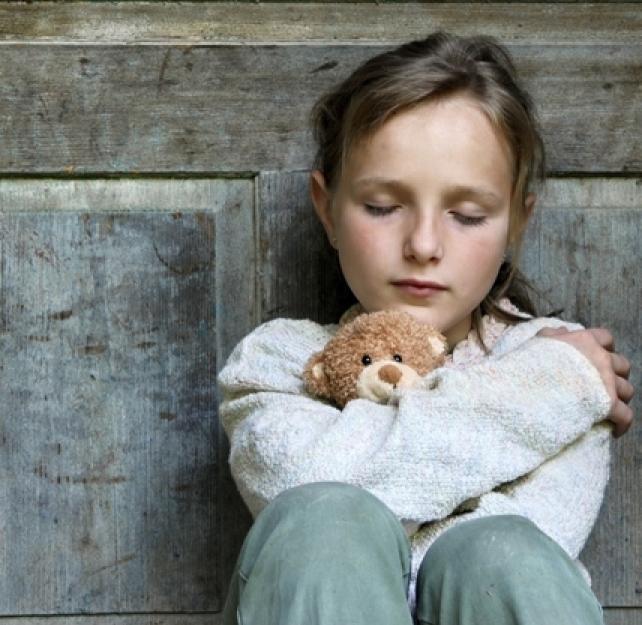
"I used to think that if I was quiet as a mouse, my Mommy would be okay, but that’s not true. My Mom has PTSD." Read this book, written for kids who have a mom with PTSD.
"I used to think that if I was quiet as a mouse, my Daddy would be okay, but that’s not true. My Mom says my Dad has PTSD." Read this book, written for kids who have a dad with PTSD.
Navy Capt. Paul S. Hammer, director of the Defense Centers of Excellence for Psychological Health & Traumatic Brain Injury talks about why the brain is the most important organ in the human body.
Often people talk about the effects of TBI or the consequences of PTSD as separate conditions — which they are. But for the person who is living with the dual diagnosis of TBI and PTSD, it can be hard to separate them.
Military and government agencies have done little to help female veterans transition into civilian life. Three veterans at UNC Charlotte decided to forge their own paths.
“TBI is not a derogatory term. It is not career-ending. Hiding it from everyone else is derelict. You could get other people killed. If you don’t ask for help, it makes you less of a man.” Read Karl Holt's story.
With a significant life crisis like a brain injury, paralysis, or being a POW, comes great challenge and change. But with it can also come the opportunity for significant growth.
Ten years of combat in Iraq and Afghanistan have created an epidemic of PTSD and TBI in service members, sailors, and airmen. Treatments run the gamut from yoga to drugs. Learn more.