Use the filters to browse the information we have available or to narrow your search results for a specific audience (e.g. caregivers, military, children), a preferred type of content (e.g. videos, blogs, articles), or by topics of interest (e.g. family concerns, legal issues, symptoms).
The prevalence of PTSD across different populations based on recent studies that have assessed the prevalence of PTSD in nationally representative samples as well as in samples of Veterans.
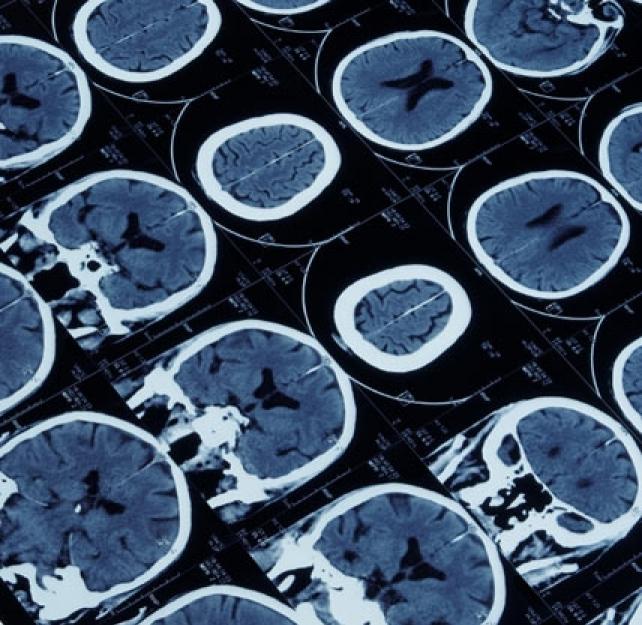
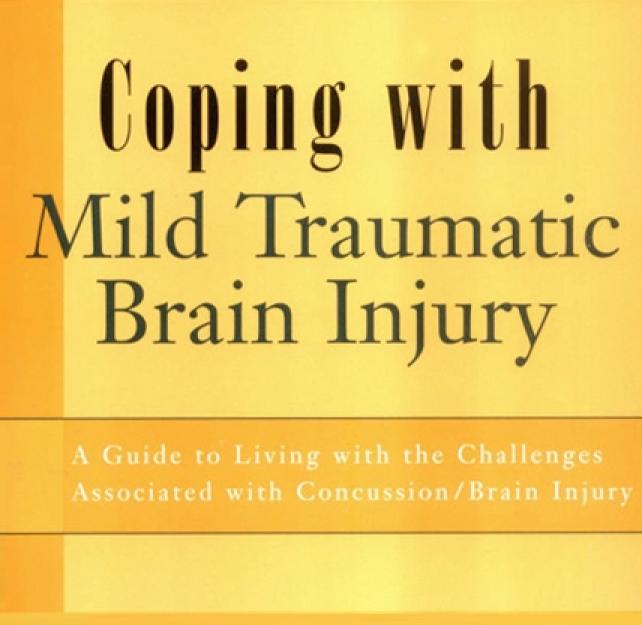
Brain injury affects the roots of who we are — our ability to think, communicate, and connect with other people. Here's a good place to start learning.
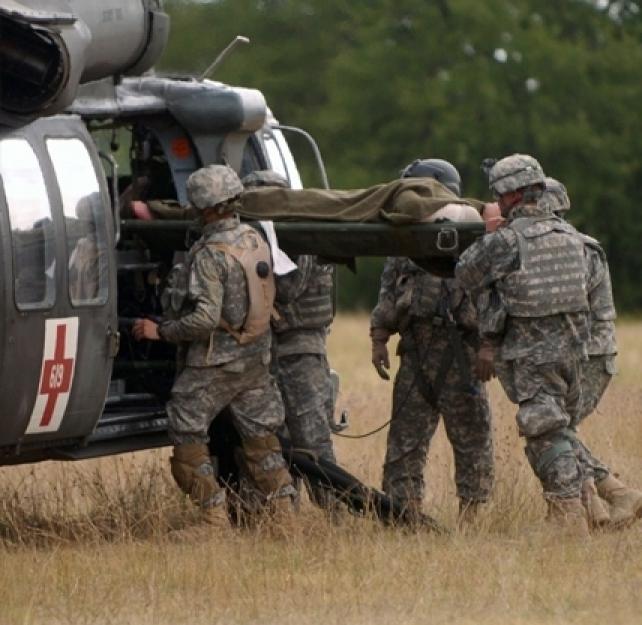
The 1944 GI Bill transformed not only the lives of veterans but the fabric of our nation. Today’s Post-9/11 GI Bill continues that legacy with some changes.
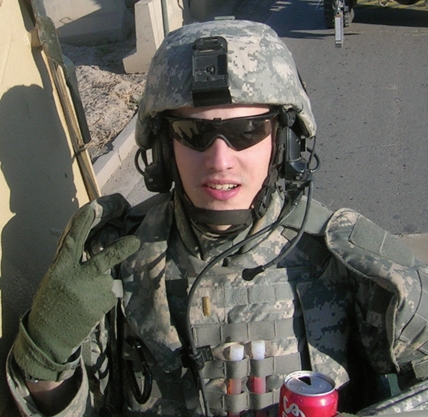
Helping someone with a brain injury navigate life on a college campus after being in the military can be a tall order. Army veteran Timm Lovitt is the man for the job.
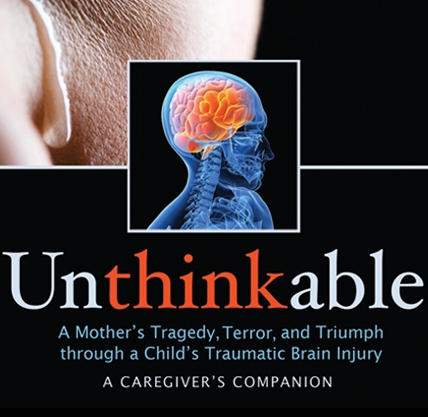
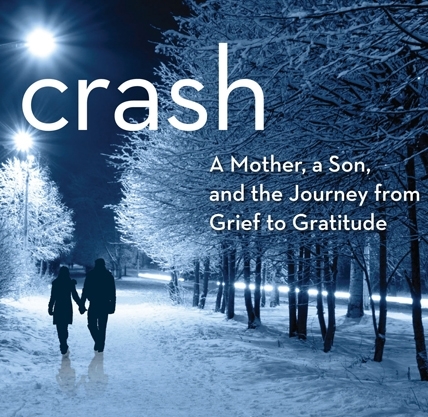
Two teenagers. A dark road. A drunk driver. This excerpt is from a beautiful book about the journey from grief to gratitude to grace by a pediatrician-mother.
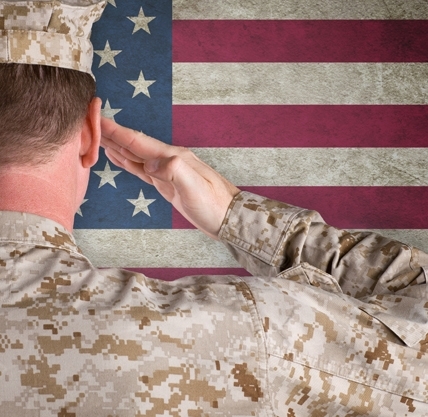
It took almost nine years for Marine Michael Grywalsky to get the help he needed for TBI and PTSD. Without the tenacity of his wife, he may never have gotten it.
The introduction of COVID-19 to the human population around December 2019 has resulted in a pandemic that continues to affect the entire world. While the research to date has focused on potential neurological impairment to COVID-19 patients, little attention has been placed on the effects of the fallout caused by COVID-19 on individuals who are living with brain injury. Specifically, the pandemic has resulted in job loss, social isolation, interruptions to routine, and a need to adjust previously successful compensatory strategies, all highlighting some of these unique challenges. The general population has experienced the same issues. However, individuals with brain injury were already experiencing these prior to the pandemic.