Use the filters to browse the information we have available or to narrow your search results for a specific audience (e.g. caregivers, military, children), a preferred type of content (e.g. videos, blogs, articles), or by topics of interest (e.g. family concerns, legal issues, symptoms).
Four years later, as some of the dismal fog lifts, I can see that out of fear of letting anyone down, there have been many times that I’d proudly adorned the “I’m fine” mask. The truth is, there is no way to be the same Mom, wife, daughter, sister, aunt, friend or anything after every fiber of your being has suffered radical rewiring.
How do we get to new places within ourselves? And how do we bring our survivors to the places that seem impossible? For the climber, it is not always about reaching the top. Sometimes, it is just about the climb.
“Open therapeutic discussion works. It’s like you’re in the woods, it’s pitch-black, there are noises and shadows … and it’s just you, alone, with your one beam of flashlight light bouncing around as you turn this way and that, fight or flight. It’s terrifying. It’s a lot less scary if you’ve got 20 buddies at your side, 20 flashlights that can easily illuminate the forest for what it is, yes, noises and shadows, but once revealed, not so frightening at all. So, all this listening, talking, and sharing made possible by gaming and streaming worked for me and there are a lot of people out there struggling in similar ways who can similarly heal."
One of the distinct markers in the aftermath of my son’s brain injury is the presence of an emotional space I’ve never before experienced called ambiguous grief. For both survivors and family members, it can be challenging to address the path of this type of grief.
Life after brain injury is, if anything, surreal. Just when you think you’ve mastered life as a survivor, something else happens, something you never saw coming. The silver lining is that one of the skills that can be mastered after brain injury is simply the ability to roll with things, to not get flustered, and to understand at a deep level that it’s just part of the journey and that, in the end, all will be okay.
As a survivor, I distinctly define the before and after. Everything was profoundly different in the before, and now we exist in the after. I can almost see the marker in my mind. This is what the after looked like a few nights ago...
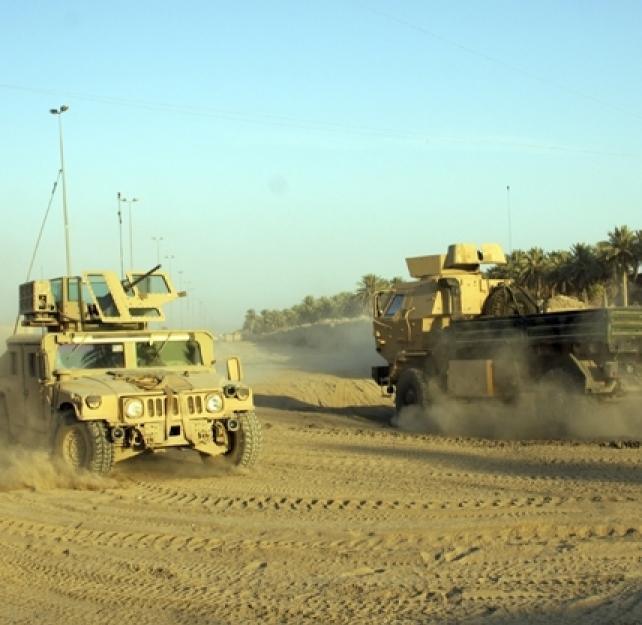
Ten years of combat in Iraq and Afghanistan have created an epidemic of PTSD and TBI in service members, sailors, and airmen. Treatments run the gamut from yoga to drugs. Learn more.
Last month, I marked a significant milestone in my life as I celebrated 30 years of sobriety. And, in what amounts to a “whoever would have thought it,” moment, being a sober person in recovery has made my brain injury journey easier. In fact, it literally saved my life.
Caregiving is hard. The lack of support for adults with brain injury (in our area) is ridiculous. I find myself wanting to scream when people ask, "Don't they have services for that?”
“Regular exercise bathes the brain in a protein called brain-derived neurotrophic factor, or BDNF. This specific protein has been shown to speed brain injury recovery.” That was all it took to fuel my hunger to learn more about BDNF...
Two decades ago cars sat at this same intersection, waiting at this same light, watching helicopters land on that same rooftop. One Tuesday in July my dad was the person in the chopper...
The emotional equivalent of being caught in the undertow came earlier this week. I was scrolling through old photos, reconnecting to moments captured in time. I found my mind trapped in the tumultuous waters of ambiguous grief, fighting my way to the surface.