Use the filters to browse the information we have available or to narrow your search results for a specific audience (e.g. caregivers, military, children), a preferred type of content (e.g. videos, blogs, articles), or by topics of interest (e.g. family concerns, legal issues, symptoms).
For people recovering from a traumatic brain injury, sleep is especially important, but people with brain injury often have trouble getting the quantity and quality of sleep they need.
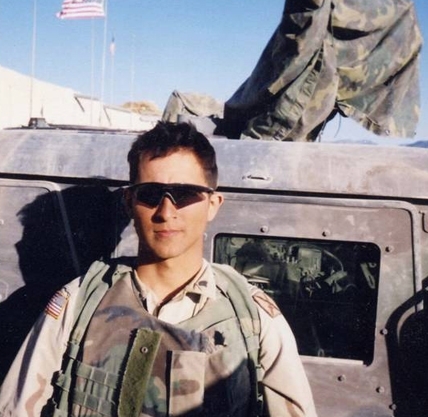
Staff at Home Base are awed—daily, hourly—by the resilience, determination, and dedication of the veterans and service members with whom they work during the two-week immersion program. Dr. Zafonte recalls one Special Forces member who was injured multiple times but whose focus, invariably and unblinkingly, was to restore himself so as to return to theater to continue to serve. Military members like this man exemplify a dedication to protect our country; something all of us should take time to better understand and appreciate.
Last month, I hit a low point and realized that it was time to seek professional help again. I sought out a local doctor familiar with using EMDR to treat my PTSD.
Anxiety can come in many colors and textures following a brain injury. It can bubble up in crowded, noisy places. It can surface when there is too much quiet — when worries seem to snowball and there is no place to hide.
Dizziness is one of the symptoms that you may experience after a concussion. It may make you feel unsteady and like things are moving when they are not.
Every now and again, someone will ask me how I’m sleeping these days. My reply has remained unchanged for several years. “I’ve not slept a full night since 2010.” — David Grant
I found out the hard way that when faced with trauma of this magnitude, your body has many protective layers; and as the layers are slowly peeled back, you find out exactly what resiliency is.
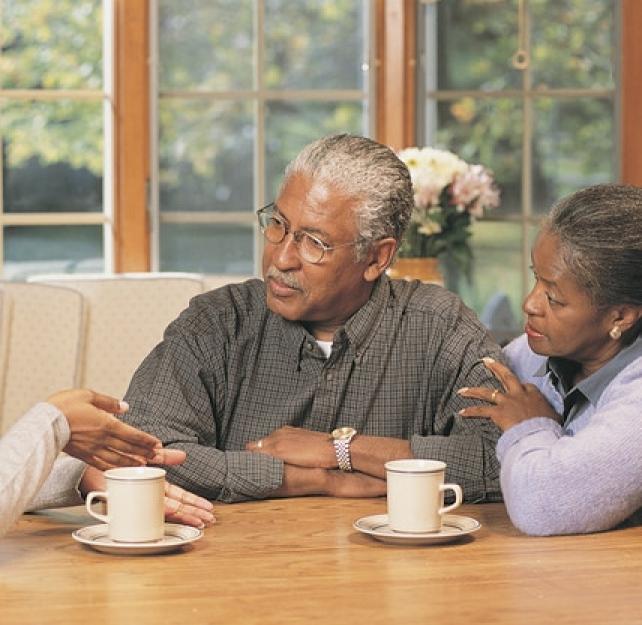
Racial trauma can be defined as the cumulative traumatizing impact of racism on a racialized individual, which can include individual acts of racial discrimination combined with systemic racism, and typically includes historical, cultural, and community trauma as well.
Racism has been linked to a host of negative mental health conditions, but the connection between racial discrimination and PTSD symptoms appears to be the most robust.
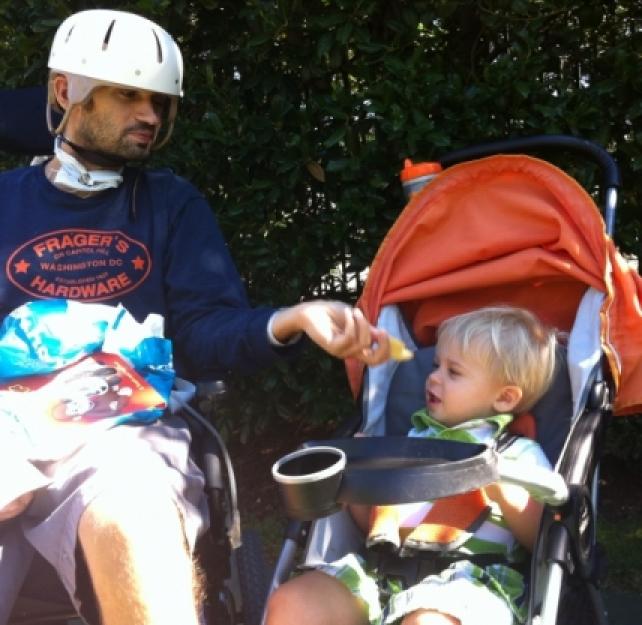
Gretchen Rubin, once wrote, “The days are long, but the years are short.” She was writing about parenting and not traumatic brain injury, but as I reflect on this poignant quote, I realize that as a caregiver, even those seemingly endless days have passed with such speed that I can hardly account for the last three years of my life.
Changes that normally follow brain injury are hard to comprehend and accept, especially for spouses and parents. This self-assessment can help you cope.
When you’re a man in society — not to mention a Navy SEAL in special operations — you are taught that the best (only) option is to be the strong, silent type. You can’t let your emotions control you. You can’t be sad, or too happy. Really, the only acceptable emotions for the masculine persona are stoicism and anger.