Use the filters to browse the information we have available or to narrow your search results for a specific audience (e.g. caregivers, military, children), a preferred type of content (e.g. videos, blogs, articles), or by topics of interest (e.g. family concerns, legal issues, symptoms).
Although the harmful effects of alcohol on the brain are widely known, the structural changes observed are very heterogeneous. In addition, diagnostic markers are lacking to characterize brain damage induced by alcohol, especially at the beginning of abstinence, a critical period due to the high rate of relapse that it presents.
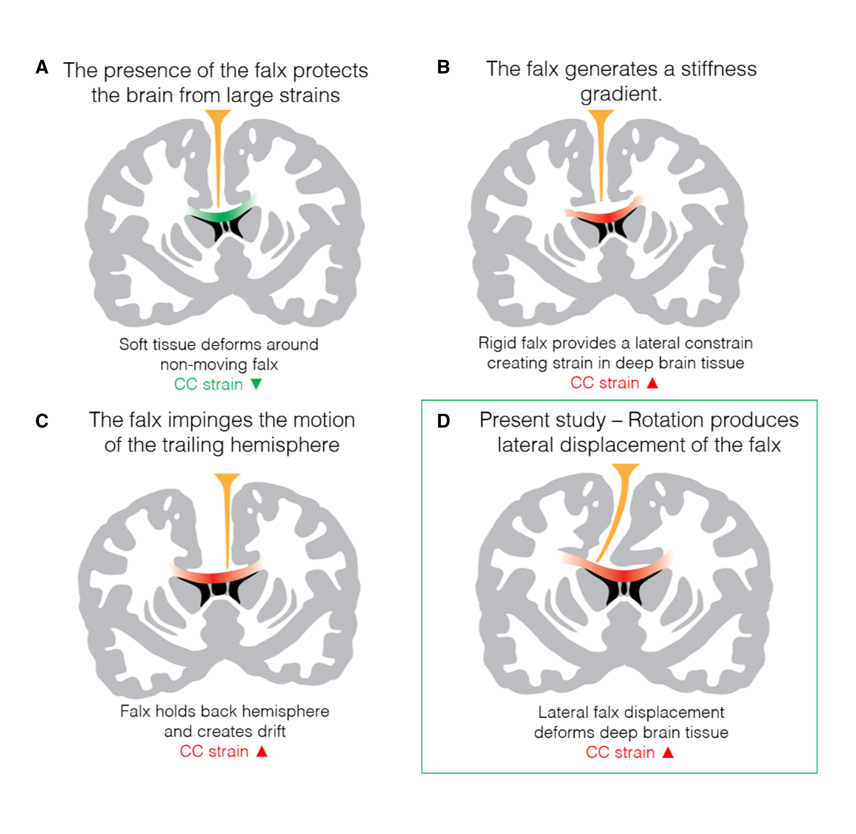
Through a combination of biometric tracking, simulated modeling and medical imaging, researchers detail how hits to the side of the head cause concussion
Researchers show how even mild exposure to a single blast shock wave is able to induce small but potentially very meaningful pathogenic effects that accumulate with time.
The American Academy of Pediatrics (AAP) has updated its concussion recommendations to support children and teens engaging in light physical activity and returning to school as they recover. The report, revised for the first time in eight years, also advises against complete removal of electronic devices following a concussion.
Higher TBI prevalence in states with greater levels of private insurance and insurance adequacy may suggest an underrecognition of TBI among children with less access to care.
Model system study finds that foreign-born Hispanics living in areas with many foreign language speakers had greater productivity at one-year post-injury.
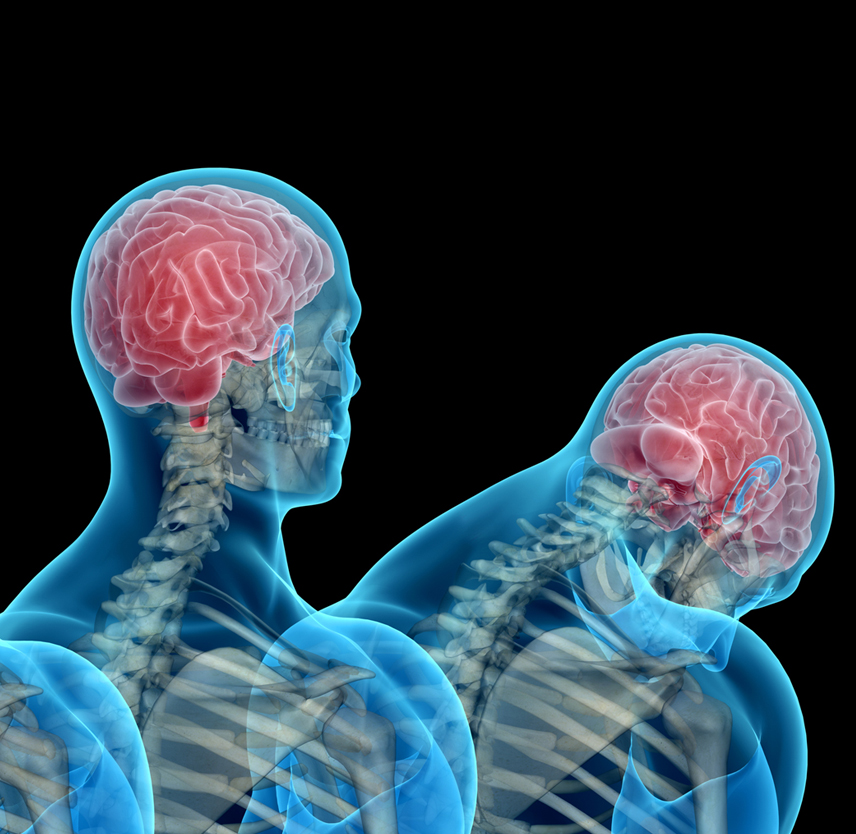
The way our head and neck are positioned during a head-on impact may significantly affect the risk of concussion — but tensed up neck muscles seem to offer far less protection.
In this cohort study of more than 350 000 veterans, even mild TBI without LOC was associated with more than a 2-fold increase in the risk of dementia diagnosis.
A look at the development of secondary attention-deficit/hyperactivity disorder in children who were previously hospitalized with traumatic brain injury vs children previously hospitalized with orthopedic injury.
An analysis of news reports and high school participation data determines if there is an association between concussion concerns and declining participation of high school football.
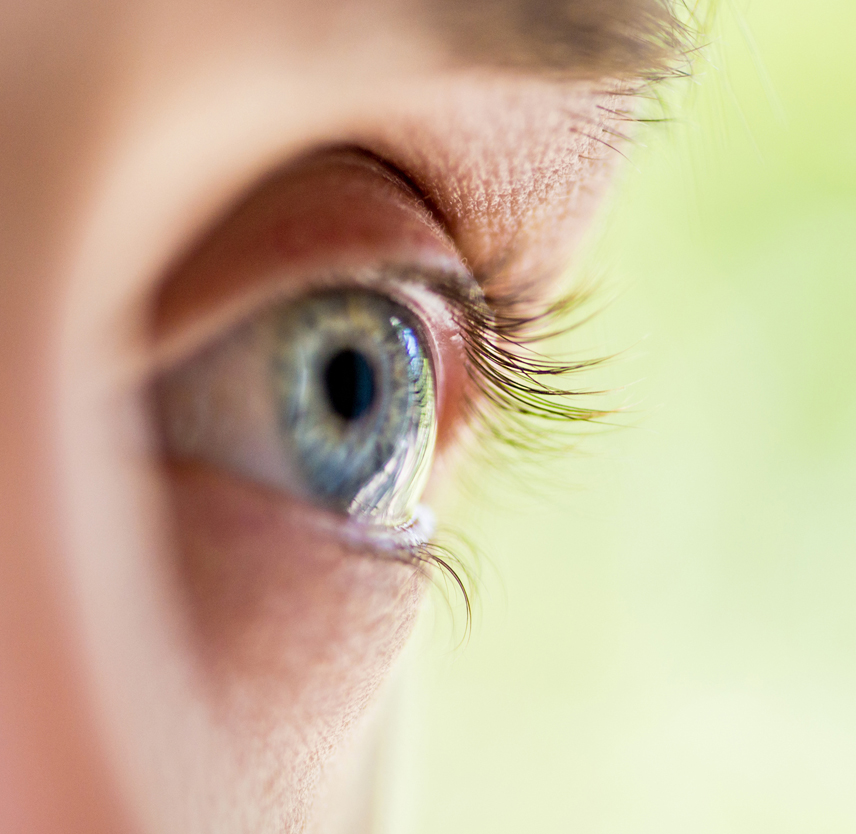
Light-induced pain or discomfort, or ‘photalgia’ (otherwise known as light sensitivity, photophobia, asthenopia, photoallodynia or photodynia) is a well-known consequence of mild traumatic brain injury.
“You’re supposed to rest after concussion.” This advice has been given countless times to patients recovering from concussion. How did we get here, what is the evidence that brought us here, and what does the evolving evidence actually tell us?
Study finds presence of abnormal saccadic eye movements, diminished accuracy of primary saccadic horizontal eye movement, and a widespread slower reaction to both visual and auditory stimuli.
The incidence rates of traumatic brain injuries (TBI) are increasing, yet educators continue to be inadequately trained in assessing and serving students with TBIs. This study examined the efficacy of a half-day TBI training program for school psychologists designed to improve their knowledge and skills.
Research shows that victims of domestic violence suffer brain injuries similar to those of football players. Experts are looking at ways to address this silent epidemic.
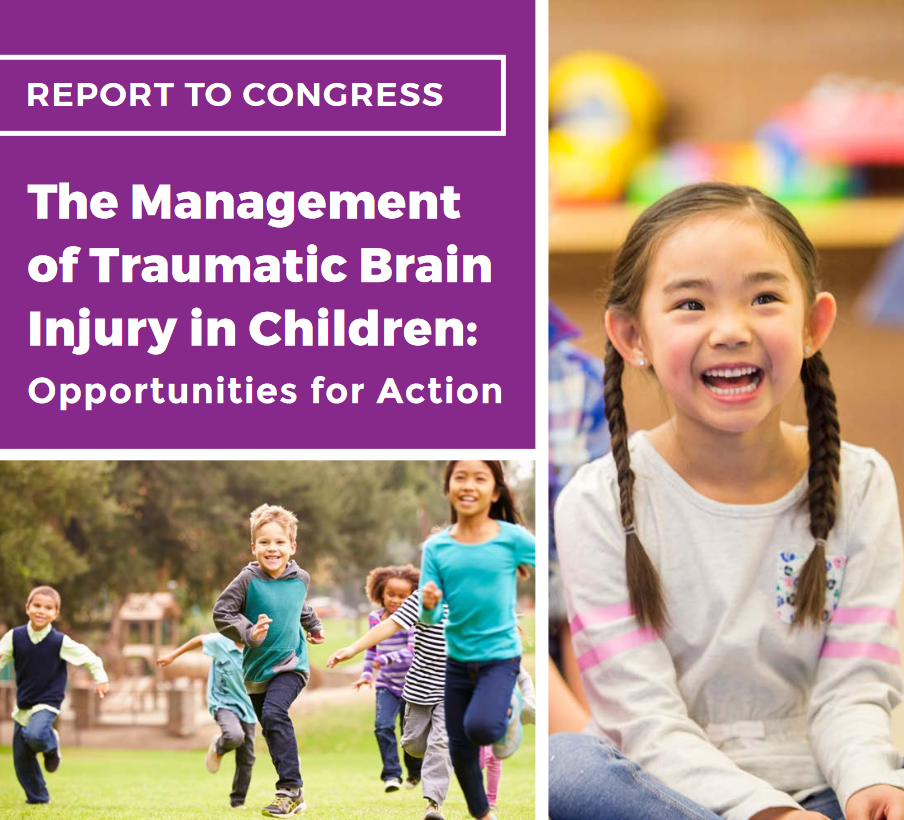
The CDC outlines current gaps in traumatic brain injury care and provides clear opportunities for action to improve the management and outcomes of TBI in children
This review summarizes 40 years of clinical and pre-clinical research on the treatment of acute severe brain injury with hyperbaric oxygen therapy (HBO2).
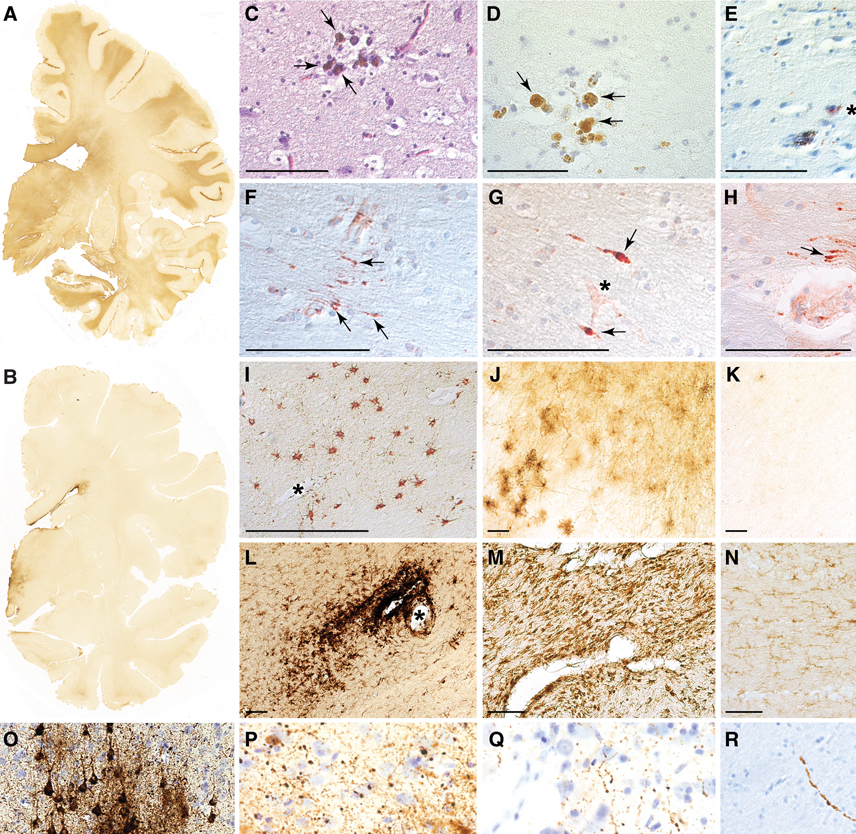
A study published in Brain, a journal of neurology, presents the strongest case yet that repetitive hits to the head that aren't concussions do cause CTE.