Use the filters to browse the information we have available or to narrow your search results for a specific audience (e.g. caregivers, military, children), a preferred type of content (e.g. videos, blogs, articles), or by topics of interest (e.g. family concerns, legal issues, symptoms).
None of these challenges is blatant to the naked eye, but spend a bit of time with me, and you’ll learn soon enough that I’m not as normal as I look. Such is the nature of being invisibly disabled.
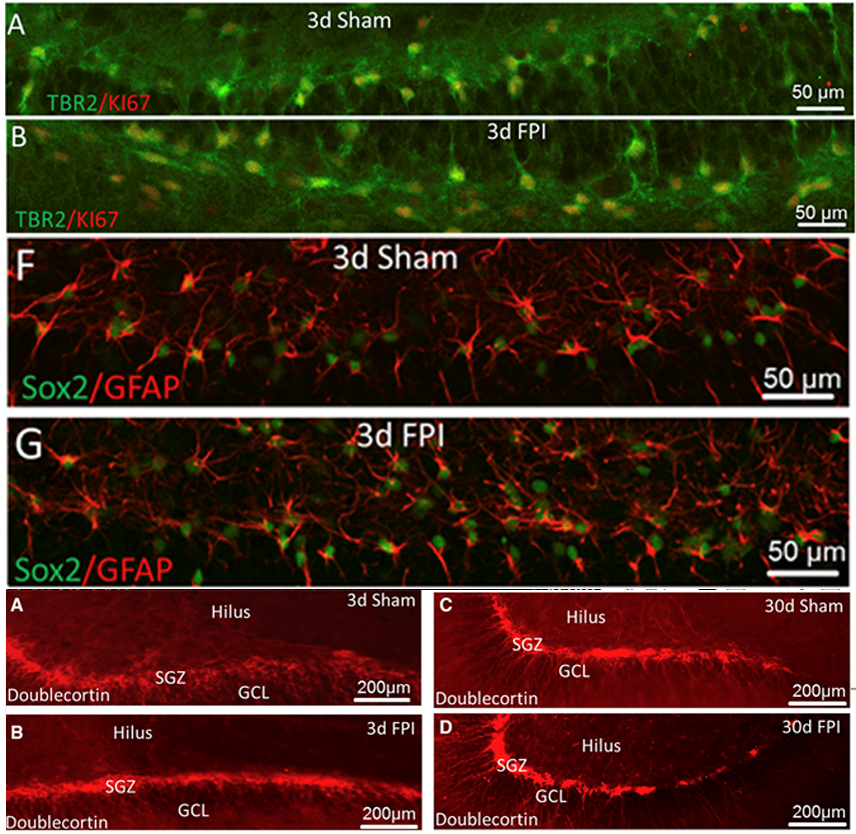
New research challenges the prevailing scientific assumption that, during recovery from head trauma, excessive neurogenesis (birth of new brain cells) is advantageous.
Memory is the brain taking in, keeping, recalling, and using information. A brain injury can affect any of these facets of memory. And it can also make it hard to learn and remember things.
A study comparing depression rates in men and women one year after moderate or severe TBI shows no significant gender differences in depression symptom levels. But researchers did find different patterns of other symptoms.
I am a very average “TBI Guy.” I have ongoing memory challenges. Word-finding challenges and aphasia are my constant companions. Add a splash of vertigo and half a cup of tinnitus and you have the perfect recipe for a pretty average post-concussive life. And amazingly, today I am okay with that...
"I usually know when I’m supposed to be somewhere, but the ‘now’ is ever changing." Blogger Mike Strand discusses his struggles with his TBI and memory.
Parents and teachers can teach children with TBI-related memory issues how to pay careful, focused attention and engage actively in thinking about what is being learned.
Former Marine Matt Brown, who suffers from combat-related TBI and PTSD — talks about strategies and games that have helped him with his memory and daily routine.