Use the filters to browse the information we have available or to narrow your search results for a specific audience (e.g. caregivers, military, children), a preferred type of content (e.g. videos, blogs, articles), or by topics of interest (e.g. family concerns, legal issues, symptoms).
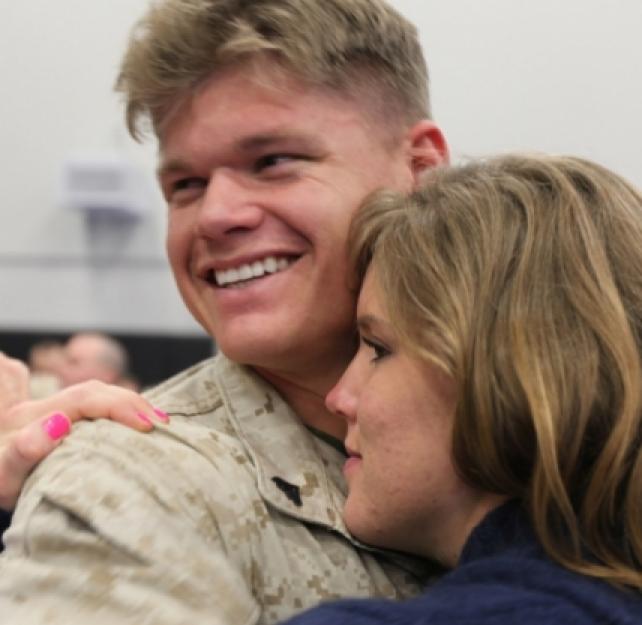
We talk a lot about the challenges that military families face but we also need to talk about the tremendous strength that they bring to those challenges.
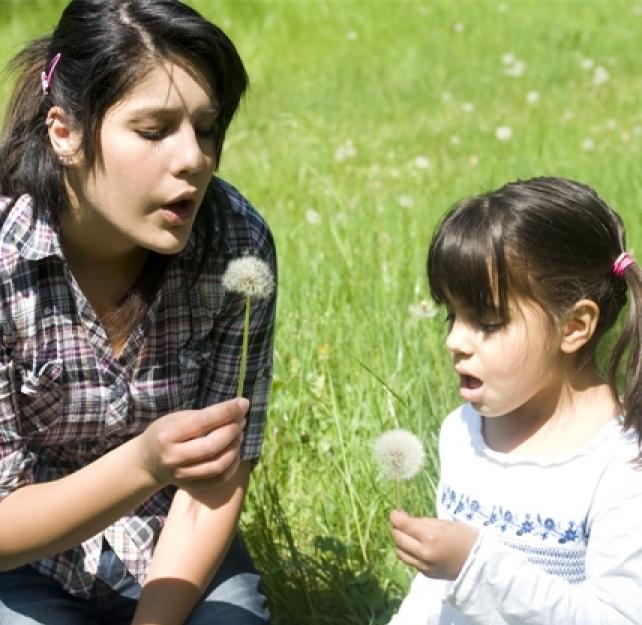
Children have a unique experience of PTSD and TBI -- they're young, they may not fully understand what is going on, and they are usually are not provided the information they need. Dr. Stephen Cozza discusses the different ways a parent's brain injury and/or PTSD may affect children.
Dr. David Williamson, former director of the inpatient TBI Program at Walter Reed, discusses the key way friends, family, and co-workers can support veterans with TBI.
Siblings often feel angry, guilty, confused in the wake of their brother or sister's brain injury. Dr. Mariann Young talks about how to help siblings understand the changes in their family.
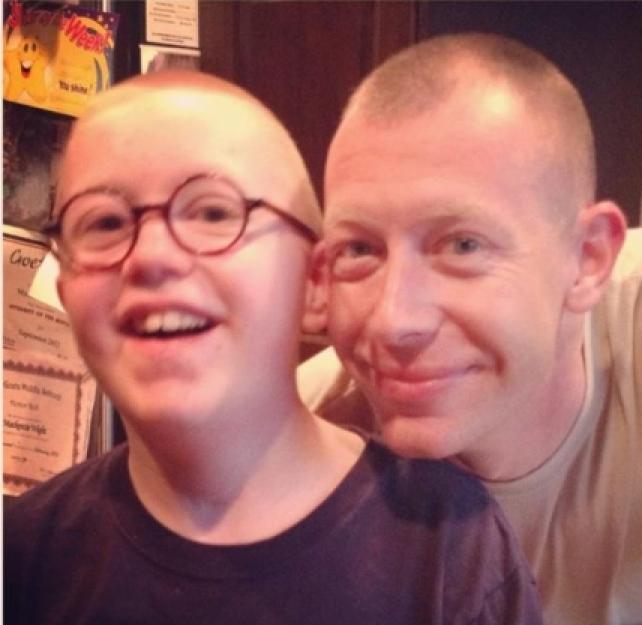
Army Staff Sgt. Aaron Wight talks about being deployed when his son sustained a severe brain injury, how the Army helped his family cope, and how his son inspires others.
Dr. Heechin Chae explains how setting goals for recovery involves not only the individual and the medical team, but the whole family since a brain injury affects everyone in a family.
"One mother I worked with needed to fully grieve the son she lost but who did not die in order to embrace the child who remained," says Hospital Executive Amy Mansue.
Hospital Executive Amy Mansue talks about the importance of giving parents and siblings the words and supports they need to help them deal with their loved one's TBI — in the short- and long-term.
Hospital Executive Amy Mansue talks about the essential role the entire family plays in a child's recovery from TBI — from being able to care for and push the child during rehab therapy to reinforcing those therapies in the home.
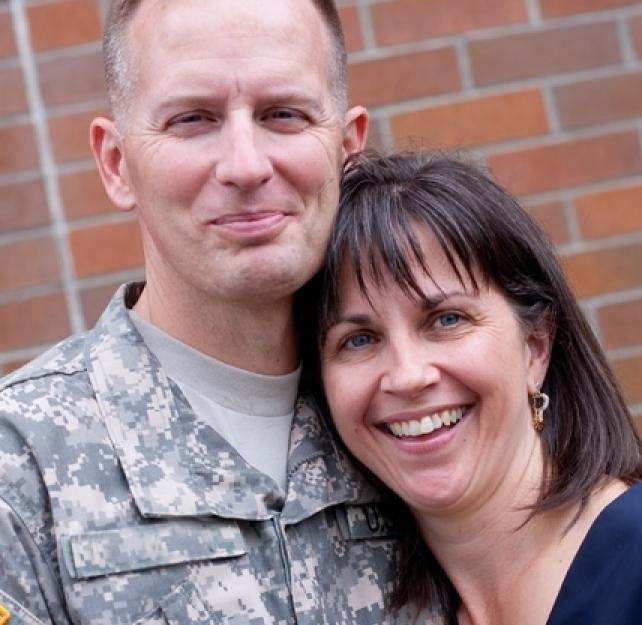
Occupational therapist Kristen Maisano talks about how spounes can help further a loved one's TBI-related thearpy because not only are they aware of changes in the person, but they can also bring strategies from the clinic to the home.
When a parent is injured or seems different because of a brain injury or post-traumatic stress, sometimes children act out — using actions instead of words to show their confusion and distress.
Even as babies, children don't miss a beat; they pick up on their parents' emotions. A parent with PTSD can learn that being honest with himself and his family plus knowing his emotional limitations will help the whole family.