Use the filters to browse the information we have available or to narrow your search results for a specific audience (e.g. caregivers, military, children), a preferred type of content (e.g. videos, blogs, articles), or by topics of interest (e.g. family concerns, legal issues, symptoms).
You are starting out on an important journey in your life — becoming a caregiver to someone who has a traumatic brain injury (TBI). You can help your service member/veteran recover as fully as possible.
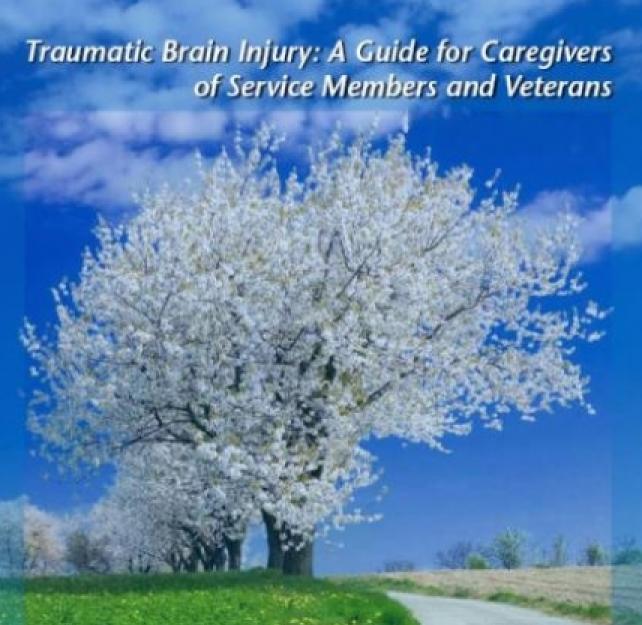
You are starting out on an important journey in your life — becoming a family caregiver to someone who has a traumatic brain injury (TBI). A caregiver like you can help your service member/veteran recover as fully as possible.
"There have been people who didn't leave me even when I told them to, who gave me chances, who listened even during my darkest times post-injury. I couldn't have made it without them." Navy veteran Derek McGinnis shares his experience.
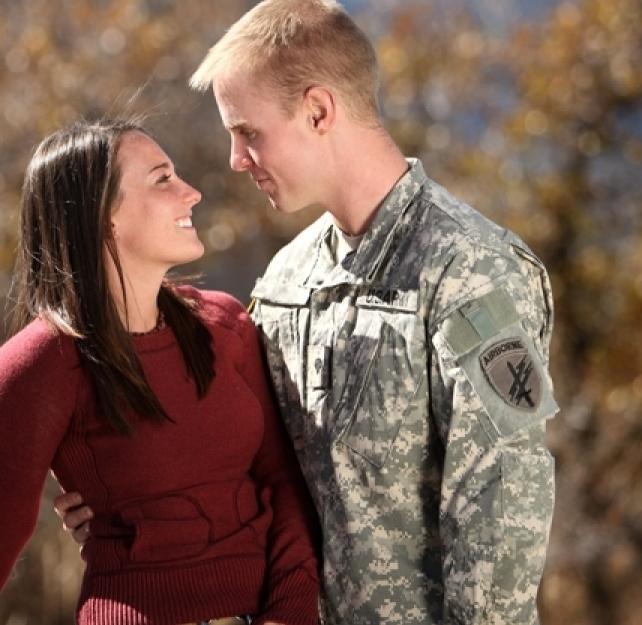
The wife of Navy veteran Derek McGinnis, in a supportive and loving way, helped him become independent after his brain and other injuries. She acted like his wife, not his caregiver.
Facebook and other social media sites are effective ways for military vets like Navy veteran Derek McGinnis to connect with other vets who are experiencing the same challenges post-injury, post-deployment.
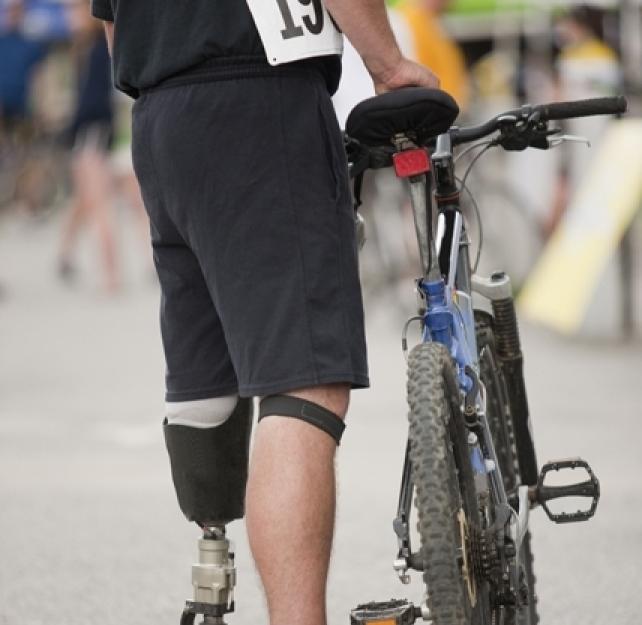
Team Semper Fi has given Navy veteran Derek McGinnis and many other veterans with TBI and/or lost limbs a place to face challenges and meet them with pride and a sense of belonging.
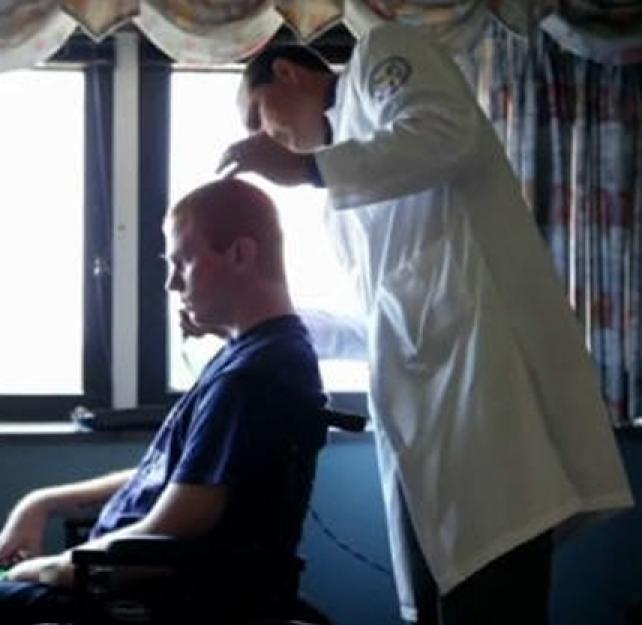
Above all else, the TBI doctors and therapists at the US Department of Veterans Affairs listen. They learn what makes each injured person — and his family — tick so, they can help put them back together and return them to a full life.
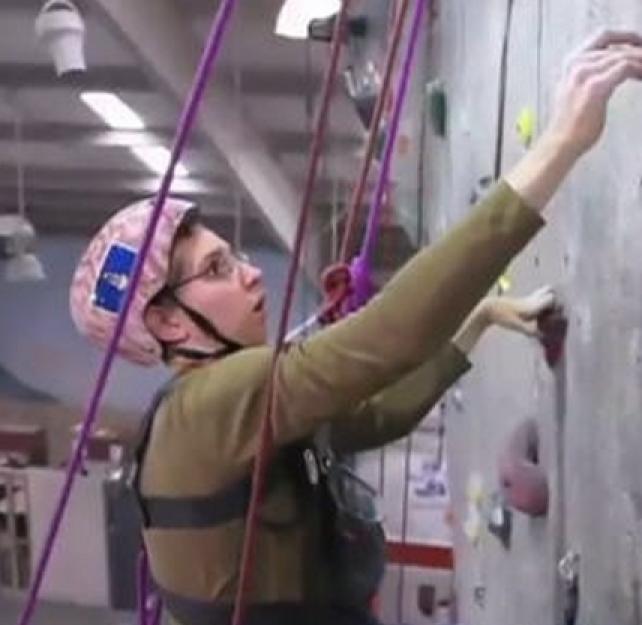
After a severe TBI, Airman First Class David Rogers continues to work with the VA rehab staff. They set no limits for him — he even goes rock climbing.
"You have a whole generation of returning wounded warriors with some very unique challenges and they kind of require a little bit of patience and a little bit of tolerance as they reintegrate."
General Peter W. Chiarelli, Vice Chief of Staff of the Army, is leading the Army’s efforts as it tackles the challenges of identifying and treating the signature wounds of the conflicts in Iraq and Afghanistan — post traumatic stress and traumatic brain injury.
"I don't measure how far I have come by goals achieved .... For me, what counts is that pain no longer rules my life," so writes Iraq veteran Derek McGinnis.