Use the filters to browse the information we have available or to narrow your search results for a specific audience (e.g. caregivers, military, children), a preferred type of content (e.g. videos, blogs, articles), or by topics of interest (e.g. family concerns, legal issues, symptoms).
Physicians spend a lot of time in school learning about obscure diseases and yet we’re not taught about a medical condition like TBI that every single medical specialist will encounter over and over. Chronic brain injury MUST be a part of every health care student’s curriculum.
The 1944 GI Bill transformed not only the lives of veterans but the fabric of our nation. Today’s Post-9/11 GI Bill continues that legacy with some changes.
After TBI, many couples find that their relationship with each other changes dramatically. These changes are very personal and can be very emotional for both people in the relationship.
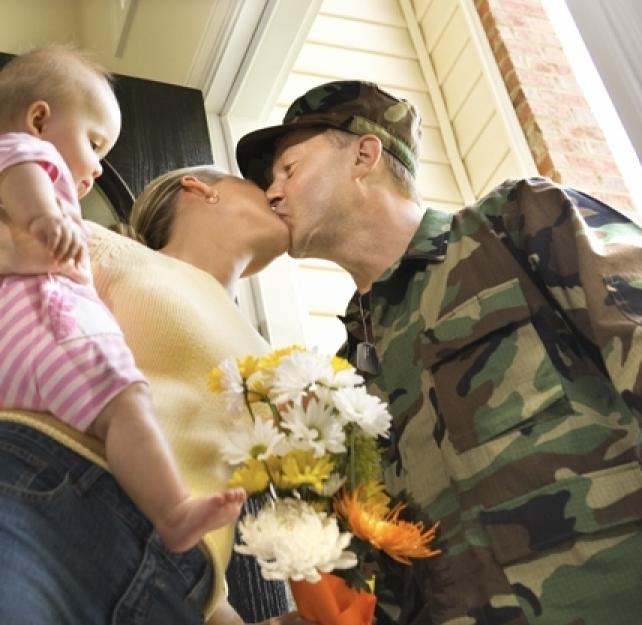
The happy anticipation of a service member returning from combat deployment often is mixed with a dose of anxiety. Families might be ecstatic, nervous, scared, or confused, or all of the above at once.
Often people talk about the effects of TBI or the consequences of PTSD as separate conditions — which they are. But for the person who is living with the dual diagnosis of TBI and PTSD, it can be hard to separate them.
CTE has been getting a lot of press — the subconcussive blows, the development of CTE — where do you think this all comes into concern for youth contact sports? Does it really start in these younger kids?