Use the filters to browse the information we have available or to narrow your search results for a specific audience (e.g. caregivers, military, children), a preferred type of content (e.g. videos, blogs, articles), or by topics of interest (e.g. family concerns, legal issues, symptoms).
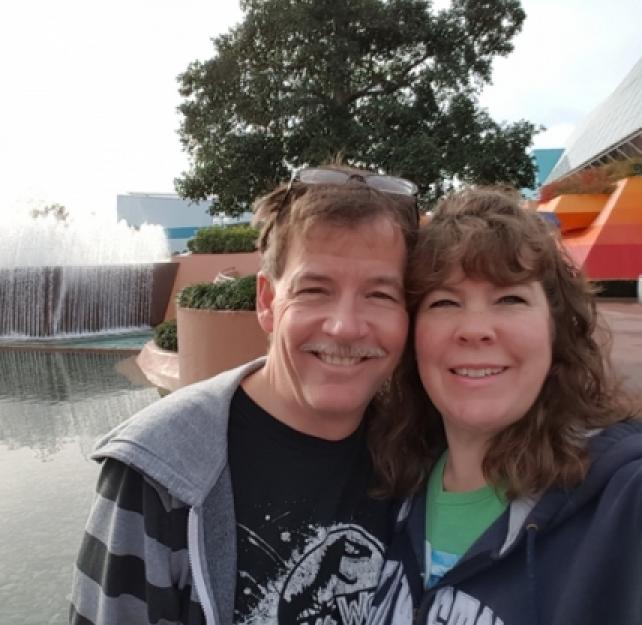
I am a very average “TBI Guy.” I have ongoing memory challenges. Word-finding challenges and aphasia are my constant companions. Add a splash of vertigo and half a cup of tinnitus and you have the perfect recipe for a pretty average post-concussive life. And amazingly, today I am okay with that...
If someone you care about has a loved one who has sustained a traumatic brain injury and they tell you all is well, don’t believe them. Look beyond the surface.
Grief is a complicated process, particularly in the case of TBI when it takes the form of ambiguous grief. Quite obviously there hasn’t been a real death, yet we find ourselves cloaked in a profound sense of loss, one that is enormously difficult to articulate to others.
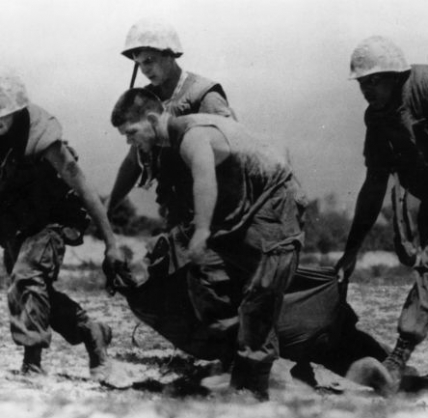
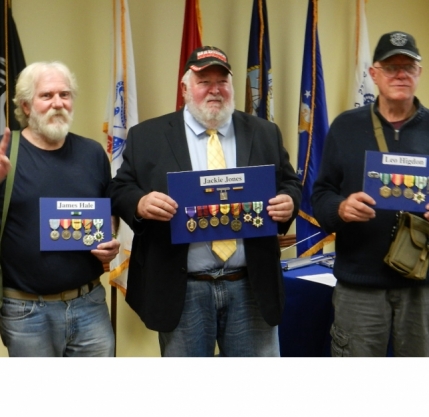
These men are heroes not just for what they survived. They are heroes for living through fifty years of civilians who don’t understand them and loved ones who walk away in tears from actions and responses that, to these men, seem completely normal.
I, personally, never use the word warrior for anyone but a combat veteran. But I do not call them warriors because of what they did during war. I call them warriors because of what they do every single day since returning from war.
Recovery from a brain injury is not an event; it is a lifelong process. Sometimes the truth will be easily digestible, while at other times, self-awareness is painful. But this is all part of the process.
It’s called ambiguous loss. A loved one is physically present, yet transformed in countless, often subtle ways, that alter his essence. For couples coping with brain injury, it’s the elephant in the room.
January is among my favorite months because it’s an annual restart button for our lives - a chance to forgive ourselves for our imperfections in the past year and an opportunity to decide who we want to be and how we want to live in the year ahead.
Over the last few months, as my five-year anniversary passed, I felt an internal change. No longer was I simply trying to keep my head above TBI water. A new passion started to stir inside of me...
In that first night, within those initial moments, you stole many of our hopes, dreams, and chances at the things we used to take for granted. In place of them, you gave challenges, frustrations, and endless new maps to navigate.
During a season that often seems to uncover and amplify old wounds, it is especially important to remember that brain injury has left us each with our own post-traumatic scars. Caregivers struggle to understand survivors. Survivors struggle to understand caregivers. The best we can do is to allow ourselves an extra breath to ask, “What’s really important at this moment?
Recently, life unfolded in a way I never saw coming. The raw, gut-level emotional pain was unimaginable. And for the first time ever, I decided that a topic was too raw, too real, and too emotional to even consider writing about. Until now.
It was the first year of my dad’s brain injury. He was nasty. I was nasty. I don’t regret much, but I certainly regret telling my father that I hate him and that he can’t come to my wedding.
Over the last few years, I have come to the slow realization that there is no way to wholly rebuild a life shattered by traumatic brain injury. There will always be a few pieces that are missing.
The bad days suck. They suck more than we let on to most people, and they drain us emotionally for days afterward. Perhaps the best way to describe it is this...
Like so many others who share my fate, I get a bit reflective every year around TBI anniversary time. I now allow myself to look to the future with hope, a realistic hope that I will continue to heal. But there was a day that someone stole my hope and left me completely and utterly devastated.
In learning the stories of other TBI survivors and caregivers, I feel an immediate kinship, a sense of connectedness to those with a shared experience. But there is also a downside.
In the midst of crisis, between panic and hysteria, thoughts creep in. How did this happen? What could I have done? These questions form the beginning of a long line of self-recriminating thoughts that haunt many caregivers...
Brain injury has been a great teacher in my life. This much I know to be true, but as my family prepares for our third Alive Day, I’ve begun to embark on my annual reflection of the specific lessons I’ve gathered throughout our experience with brain injury.