Use the filters to browse the information we have available or to narrow your search results for a specific audience (e.g. caregivers, military, children), a preferred type of content (e.g. videos, blogs, articles), or by topics of interest (e.g. family concerns, legal issues, symptoms).
Despite grievous wounds, including brain injury, survival rates are at an all-time high because of improved body protection and medical care from theater to hospital.
Understanding the biomechanics of the neck from injury is crucial for diagnosing and treating TBI. Learn why getting hit from the side is more damaging than getting hit straight on.
Increased awareness of the short- and long-term issues of TBI has helped improve programs for comprehensive TBI screenings and evaluations. But many treatments are still in the research phase.
When looking at the full-picture treatment for people with TBI, clinicians need to ask leading questions about issues including alcohol and caffeine use, intimacy or sexual issues, and suicide risk.
The standard medical guidelines published in 1995 have already significantly improved outcome, but more knowledge and change in doctors and the public is necessary to continue to improve outcome in people with TBI.
Much good basic science research has and continues to get done, but mostly in silos. Standardizing what is known in clinical practice would be the smart way to optimize care for people with TBI.
Trauma centers that comply with evidence-based medicine for TBI — or any medical condition, for that matter — should be certified and given incentives.
In 1995, the first evidence-based guidelines endorsed by the American Association of Neurological Surgeons were published. But implementing them for equal care for all proved to be more difficult.
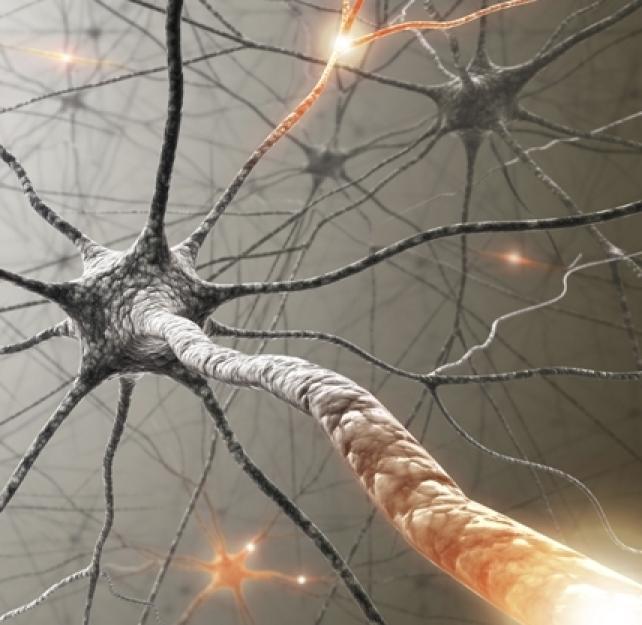
Shearing is the stretching and tearing of the tiny nerve cells that comprise the brain. Learn more about the research and neuroimgaging that shearing can cause when the brain is injured.
You can't have a head without a neck ... more research is needed on how the neck moves and what impact those movements have on shearing within the brain during injury.
Concussions have been around since the beginning of time, but our knowledge and treatment of them are and need to be vastly different. It all starts with the need for one, sound definition.
Doing whatever possible to get better outcomes for people with brain injury is crucial whether through research, diagnosis, treatment or a combination of all of them.
Army COL Dallas Hack, MD, talks about the challenges in diagnosing and treating TBI — from the dearth of research to the lack of definitive treatments.