Use the filters to browse the information we have available or to narrow your search results for a specific audience (e.g. caregivers, military, children), a preferred type of content (e.g. videos, blogs, articles), or by topics of interest (e.g. family concerns, legal issues, symptoms).
I feel like I have mastered the face-to-face challenges I used to confront when asked about my health. But it’s my written work that still often causes me angst. Like a human-sized pendulum, I swing back and forth about how much I should share. How transparent is too transparent?
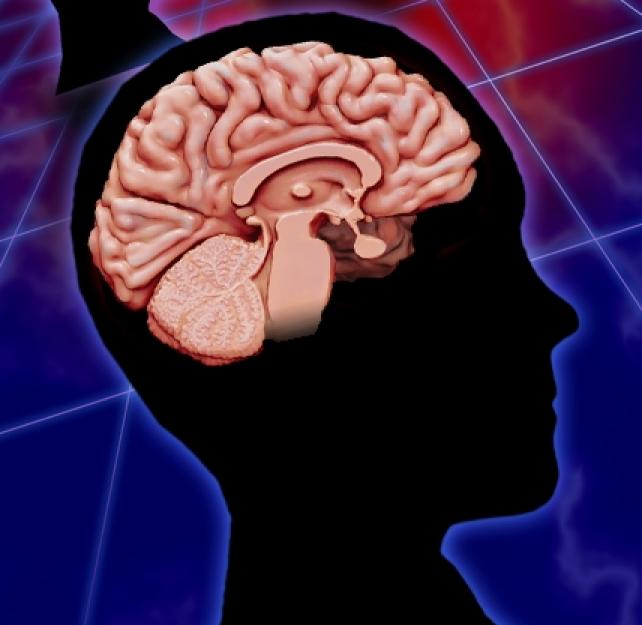
From the frontal lobe (which houses our emotions) to the amygdala (which oversees our fight or flight response), Michael Roy, MD, Col. (Ret.) explains how parts of the brain are affected when injured by brain injury or a traumatic experience.
Getting an effective blood biomarker test for TBI from bench to bedside with FDA-approval along the way is no small feat. Dr. Ronald Hayes talks about two proteins for which researchers have high hopes.
Like the leg of a table breaking off where the leg meets the table top, cerebral fibers in the brain have sharp branches and turns, which might make them particularly vulnerable to inertial trauma.
Dr. Geoffrey Ling talks about misconceptions about mTBI — from thinking a concussion is different from a mild TBI to believing that a mild TBI will always come with life-long, debilitating consequences.
It took years for athlete Chris Nowinski to overcome his many symptoms from TBI. They ranged from debilitating headaches 50% of the time, REM [sleep] behavior disorder, short-term memory problems, and more.