Use the filters to browse the information we have available or to narrow your search results for a specific audience (e.g. caregivers, military, children), a preferred type of content (e.g. videos, blogs, articles), or by topics of interest (e.g. family concerns, legal issues, symptoms).
So how exactly did I get from there to here? From complete ruination of the human will to thrive to living a life worthwhile? The answer is complicated, and our path was a winding one, but in retrospect, a few things have proven to be game-changers.
There is a nice thing about learning to live after a brain injury. Once you realize you can live life again, most everything else seems like a cakewalk.
Recovery from a TBI involves personal commitment and a tremendous amount of time, along with contributions from family and friends. The most important part in most of these cases begins with caregivers – whom I consider angels.
Simple things become a challenge after a brain injury. During the extremely challenging years of my recovery, here is what I did to help myself get through a phone call and accomplish what I needed to do.
A couple of weeks with a respite from the worst of brain injury symptoms does not mean that I am abruptly recovering. It simply means that I’ve been able to string together a decent number of tolerable days.
I still have bad days. By looking at me, you’d never know that it was a “bad TBI day.” Today happens to be one of those days. Let me tell you a bit more about a bad TBI day and why a bad TBI day is different than it was a few years ago.
A brain injury can be a precious gift. The existential crisis that more than likely occurs when you have an injured brain is a catalyst that can change your life positively forever.
I am one person who experienced a rather extreme trauma. I will always look at my life as “before and after.” I deem that to be a healthy mindset, one shared by most anyone who has lived through a life-altering event. But I’m tired of a mindset that separates me from the rest of humanity.
Rachel Derrington is not the same person she was before her brain swelled up and changed her attitude, priorities and sense of self. She is better. Rachel shares the four things that turned her from an survivor to a thriver.
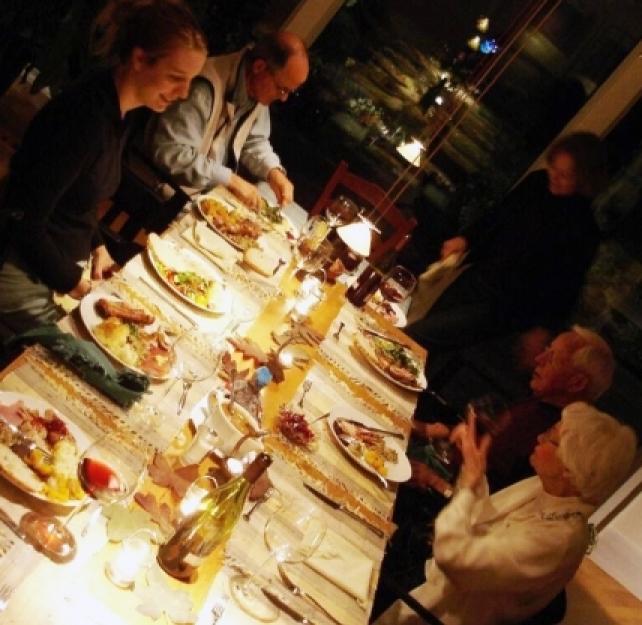
With an injured brain, the holiday season can burden us with more fatigue, more stress and perhaps some sad emotions. We will be able to enjoy ourselves much more if we prepare ourselves for the holiday season. Here are some tips that work for me since my brain injury.
After a brain injury more, of many things, is not better. It is not better to see more things around you; it is not better to be given more choices; it is not better to have more things to do...
I can see progress. I am not who I was before my accident. I am also not who I was in early recovery. In a few years, I will not be who I am today, as the healing will continue.
It’s no surprise that some symptoms of brain injury include headaches and memory problems. But hearing loss may also accompany a TBI, either because the injury damages the ear or because there is damage to the part of the brain that processes sound.
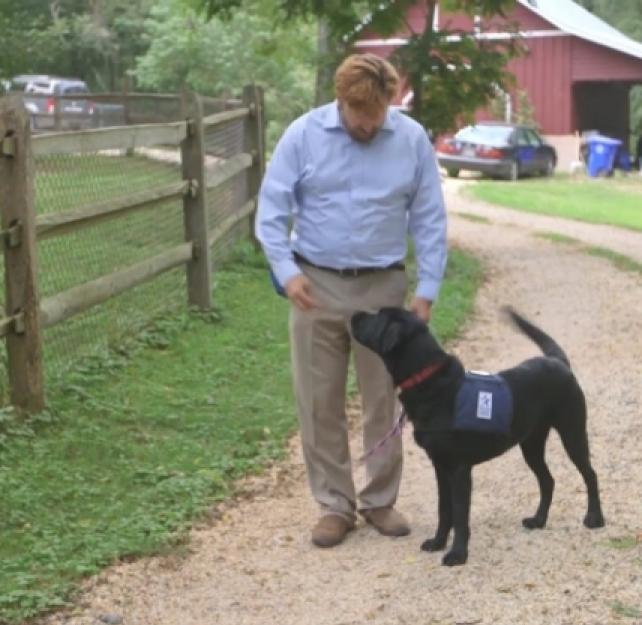
As part of his treatment plan for multiple traumatic brain injuries sustained in combat and training, Jake now trains service dogs to help veterans like himself.
It can take years to accept a loved one’s afterlife, and it may take a decade. I’m not talking about life after death; I’m talking about life after a family member’s brain injury.
The interesting thing about brain injury is being left with a before and after—lifetimes separated by that one moment that changed everything. Last week Nicole and her family set out on an old, but once again new, adventure...
If you feel like something is wrong, keep pushing for testing or have your loved one push for you. Think of your general practitioner as a gatekeeper to get you to people with the real expertise...
My exposure to brain injury has been a journey in education and life lessons. Connected to the brain injury community by circumstance, coincidence, and the universe speaking (loudly) for the past few years, I’ve learned some things.
It took a few minutes to go over my medical history as we sat in his exam room. He took a few notes, listened to our story, took a few more notes, and asked a question or two. He then looked us square in the eyes and uttered four words. “I can fix you.”