Use the filters to browse the information we have available or to narrow your search results for a specific audience (e.g. caregivers, military, children), a preferred type of content (e.g. videos, blogs, articles), or by topics of interest (e.g. family concerns, legal issues, symptoms).
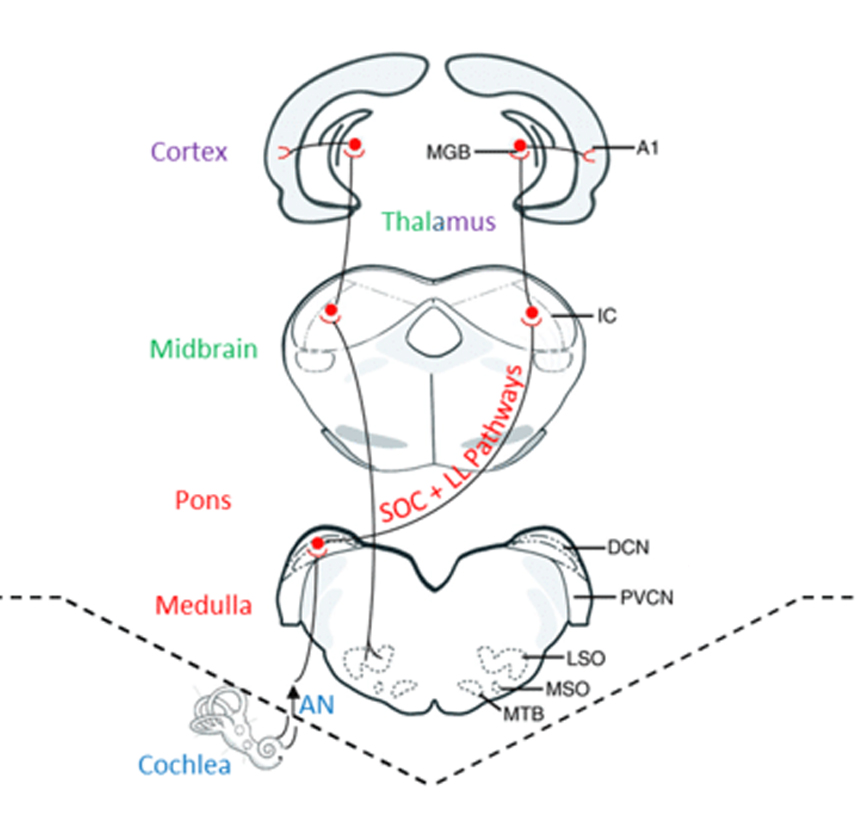
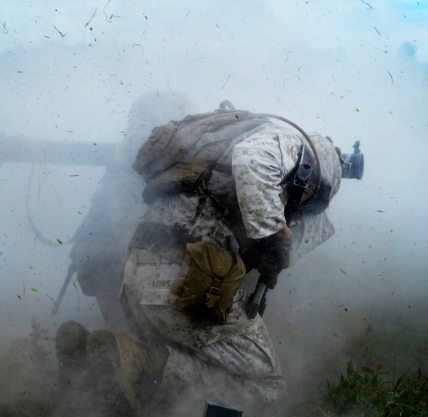
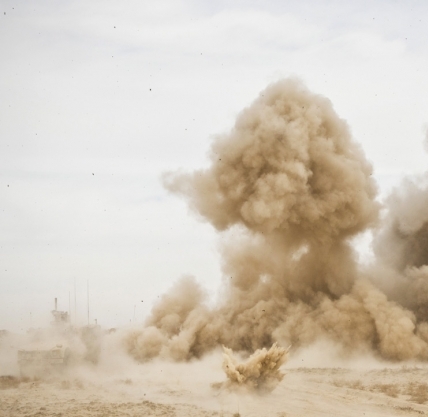
Research findings suggest mild blast trauma suffered by military personnel affects portions of the auditory system that have not been extensively studied after injuries occur, and this impairment might be diagnosed using well-established testing methods.
There seems to be no shortage of helpful tips and tricks about how to get through the holiday season as a brain injury survivor. But what about recovering after the holidays?
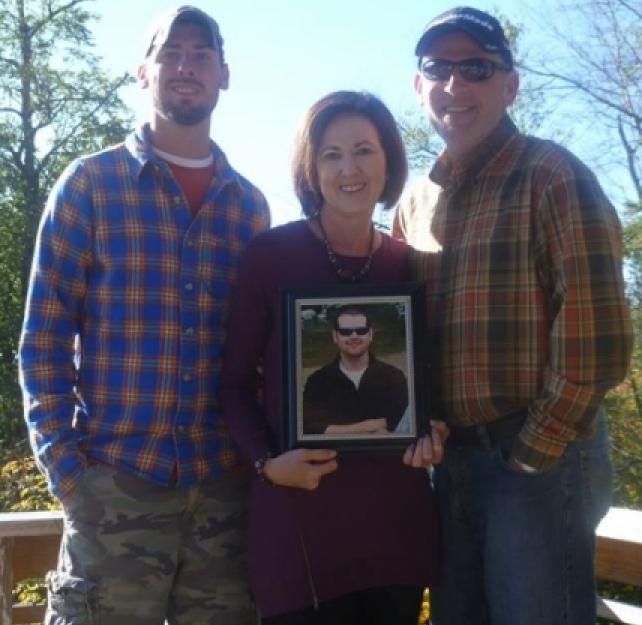
Since the day of the accident, my heart gravitates between the two worlds of indescribable grief from earthly separation from Aaron and being thrust into navigating the ever-changing turbulent waters of brain injury. No parent ever expects this kind of catastrophic news...
If you feel like something is wrong, keep pushing for testing or have your loved one push for you. Think of your general practitioner as a gatekeeper to get you to people with the real expertise...
My exposure to brain injury has been a journey in education and life lessons. Connected to the brain injury community by circumstance, coincidence, and the universe speaking (loudly) for the past few years, I’ve learned some things.
I found something special—a letter I’d hand written to myself marked: To be opened six months later. I don’t have any memory of writing the letter, but when I read it all these years later, I was pretty impressed with what I had to say. Especially since I remember that when my rehab staff recommended journaling after my TBI, my entries were really depressing...
Since the knock on our door, I have earned the title of being an overcomer. Against all odds I have watched my son complete college classes, endure endless hours of grueling therapy, and bravely try every technology available to aid his recovery.
Recovery from a TBI is not a spectator sport. Anyone who lives daily with a brain injury knows that recovery takes work! So, specifically, what have I done?
Recovery from a brain injury is not an event; it is a lifelong process. Sometimes the truth will be easily digestible, while at other times, self-awareness is painful. But this is all part of the process.
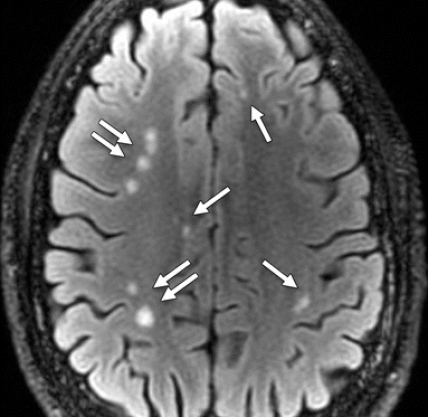
Many military personnel who experience blast-related traumatic brain injury (MTBI) have lasting brain damage as seen by MRI, according to a study published in Radiology.
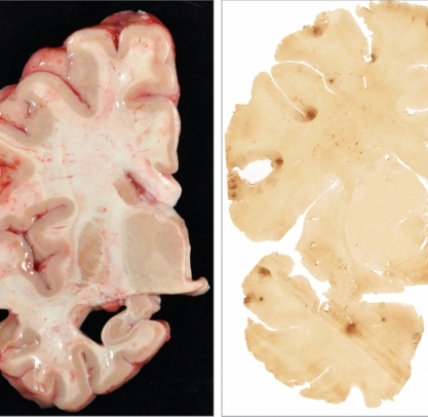
The neuropsychological findings of a 25-year-old former college football player who was diagnosed with chronic traumatic encephalopathy (CTE) postmortem.
A 2015 report from the Office of Government Accountability says the 32 peer-reviewed studies on the effectiveness of the HBOT for traumatic brain injury and post-traumatic stress came up with mixed results.
In 1989, on my way home from work, a semi-truck hit me. I suffered a severe brain injury and spent eight days in a coma. I spent the next ten years focusing on myself and becoming the best I could be with what I had left.
Everyone's brain injury is different and the recovery patterns are too. Getting our facts straight is a crucial first step in moving toward the best possible outcomes.
There are a variety of immediate effects on the brain, including various types of bleeding and tearing forces that injure nerve fibers and cause inflammation, metabolic changes, and brain swelling.
I found out the hard way that when faced with trauma of this magnitude, your body has many protective layers; and as the layers are slowly peeled back, you find out exactly what resiliency is.
As a caregiver, wife, and mother, I have found great solace in sharing my story. I have also learned a great deal from reading first-hand experiences of people who have survived a TBI. I recently read two new books about brain injury that I'd like to share. Both stories add new insight into the way we experience traumatic brain injury in our own lives.