Use the filters to browse the information we have available or to narrow your search results for a specific audience (e.g. caregivers, military, children), a preferred type of content (e.g. videos, blogs, articles), or by topics of interest (e.g. family concerns, legal issues, symptoms).
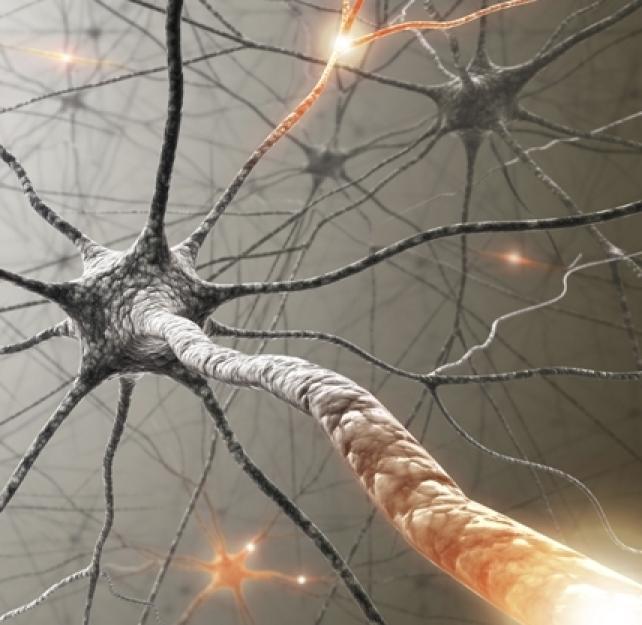
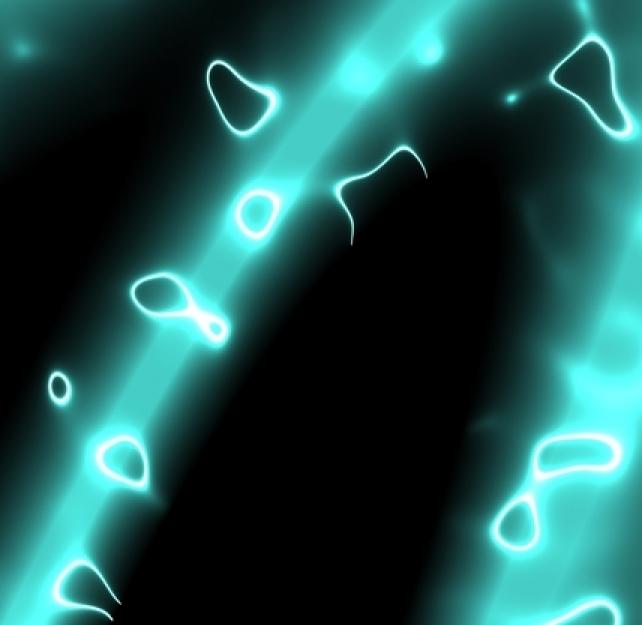
Shearing is the stretching and tearing of the tiny nerve cells that comprise the brain. Learn more about the research and neuroimgaging that shearing can cause when the brain is injured.
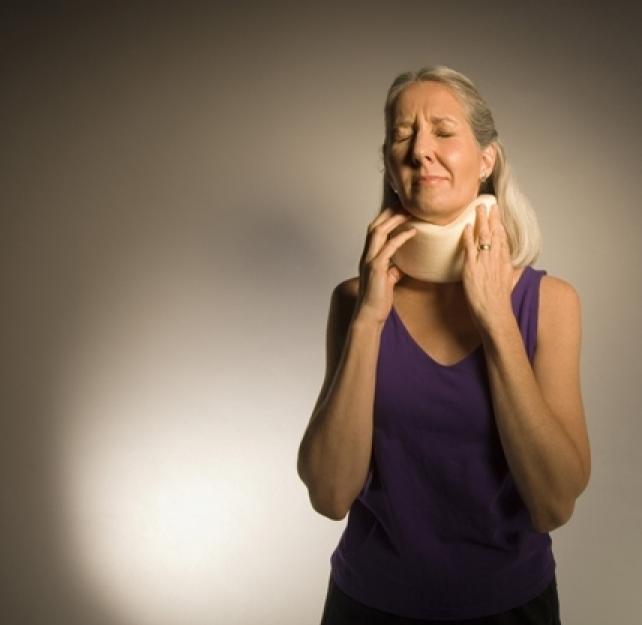
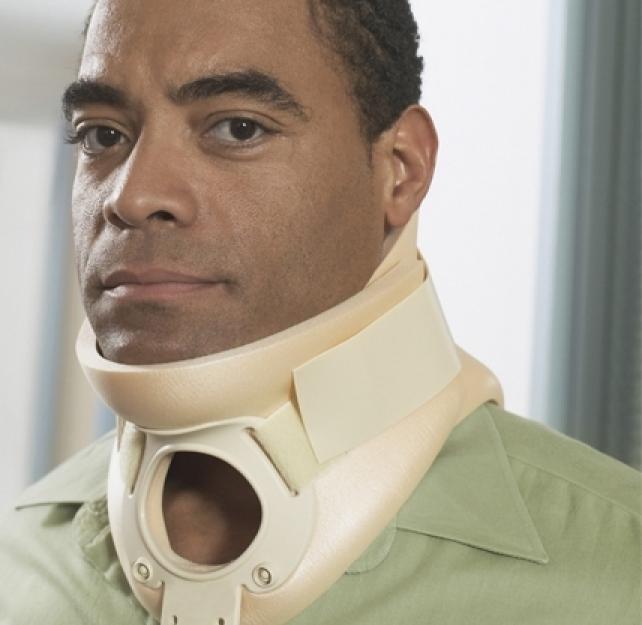
You can't have a head without a neck ... more research is needed on how the neck moves and what impact those movements have on shearing within the brain during injury.
Concussions have been around since the beginning of time, but our knowledge and treatment of them are and need to be vastly different. It all starts with the need for one, sound definition.
Doing whatever possible to get better outcomes for people with brain injury is crucial whether through research, diagnosis, treatment or a combination of all of them.
Army COL Dallas Hack, MD, talks about the challenges in diagnosing and treating TBI — from the dearth of research to the lack of definitive treatments.
Surgical and non-surgical interventions for TBI, especially those that are more severe, hinge on accurate diagnosis. More research is needed to fine-tune how TBIs are diagnosed, in ERs and in theater.
For mild TBIs, making a clear diagnosis can be difficult. There are CT scans and physical and neuropsych evaluations. But in the future there may be simple, revealing blood tests.
Getting to an ER is crucial after a TBI, especially for an injury that is on the more severe side. The quicker doctors can do a CAT scan of the brain, the quicker they can act on their diagnosis.
Diffuse axonal injury affects nerve fibers, which can lead to a disruption in nerve communication — affecting a person's physical and cognitive abilities.