Use the filters to browse the information we have available or to narrow your search results for a specific audience (e.g. caregivers, military, children), a preferred type of content (e.g. videos, blogs, articles), or by topics of interest (e.g. family concerns, legal issues, symptoms).
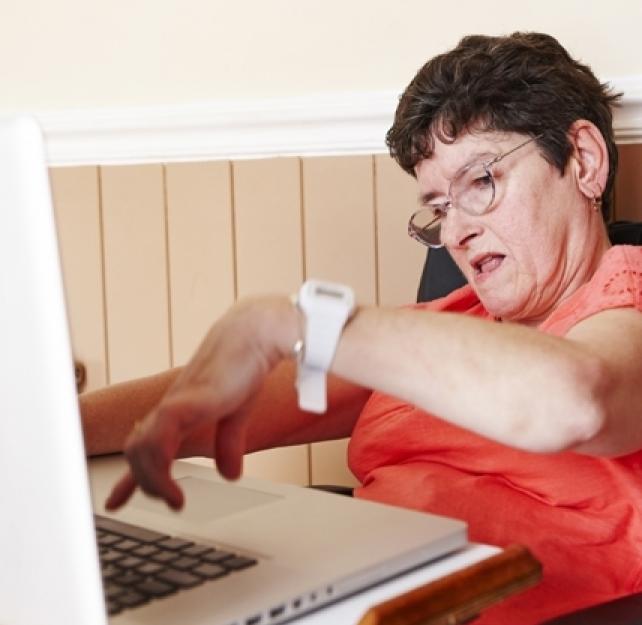
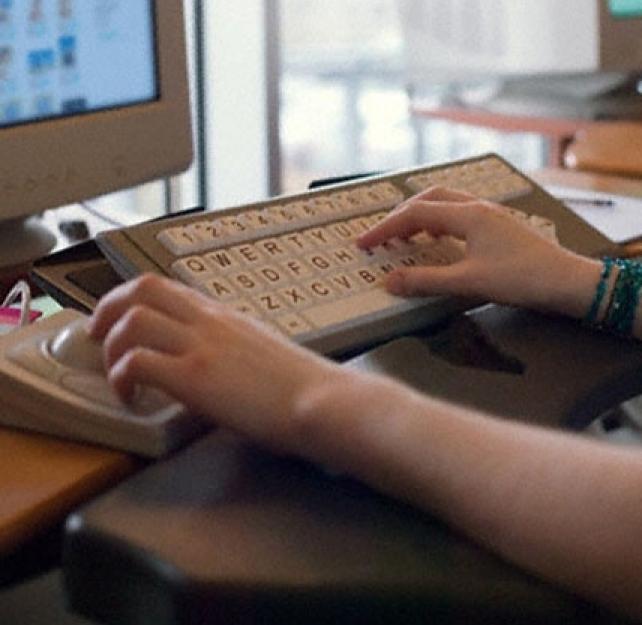
Learn what can help from computer hardware and software that can speak for non-verbal people to programs to assist those with learning disabilities to more easily perform cognitive activities.
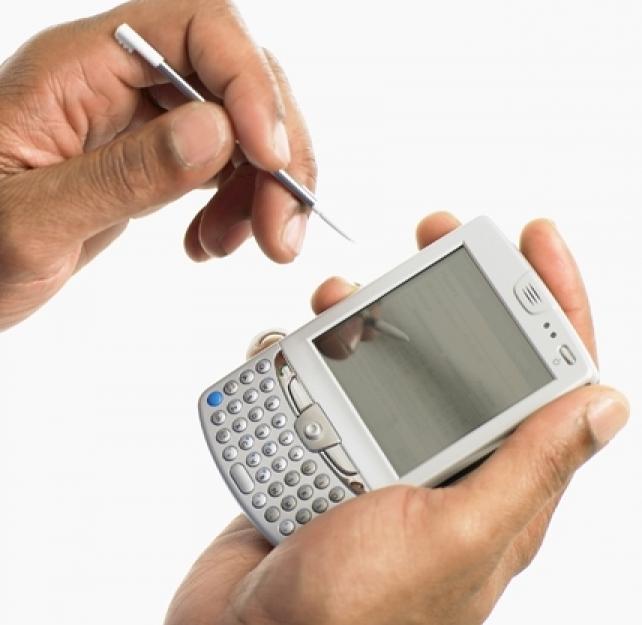
Communicators are portable electronic devices intended to provide people who have limited or no ability to speak with the ability to take participate in direct, face-to-face, real-time conversation.
Kara was growing up and thinking about the future. She would tell us, "I want my own life. I want my own house when I grow up." So I began going to conferences that focused on people with disabilities and became intrigued with technology. As Kara grew into young adulthood, technology became the key that would open the door to her independent life.
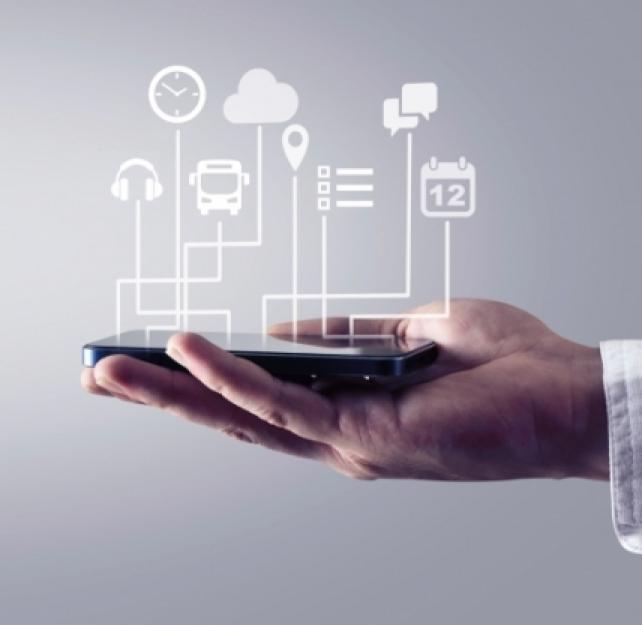
Brain injuries can change one's ability to organize and plan, get started on tasks or activities, and remember dates, times, or how to do things. There are many tools that can be used to compensate for these changes. What's in your TBI Toolbox?
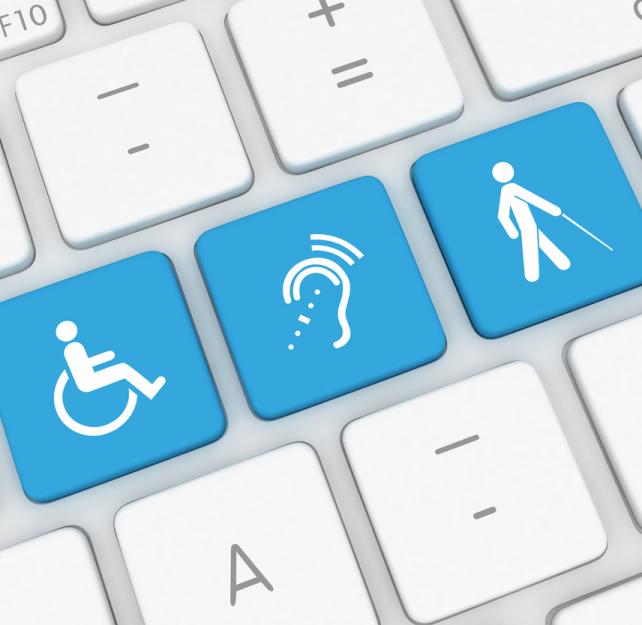
People with brain injury can have problems with accessibility. They can run into countless obstacles — from websites that don’t take into account someone with vision problems or memory problems to buildings without wheelchair access. Here's what you need to know.
Approaches that bridge the basic neuroscience of neural-cognitive functioning with the practical realities of clinical rehabilitation are valuable for intervention development, potentially opening the way for therapies that target biological systems and synergistically augment the specific effects of training.
The introduction of COVID-19 to the human population around December 2019 has resulted in a pandemic that continues to affect the entire world. While the research to date has focused on potential neurological impairment to COVID-19 patients, little attention has been placed on the effects of the fallout caused by COVID-19 on individuals who are living with brain injury. Specifically, the pandemic has resulted in job loss, social isolation, interruptions to routine, and a need to adjust previously successful compensatory strategies, all highlighting some of these unique challenges. The general population has experienced the same issues. However, individuals with brain injury were already experiencing these prior to the pandemic.