Use the filters to browse the information we have available or to narrow your search results for a specific audience (e.g. caregivers, military, children), a preferred type of content (e.g. videos, blogs, articles), or by topics of interest (e.g. family concerns, legal issues, symptoms).
U.S. Marine Corps Reserves Veteran Nick Morrison's Humvee was hit by improvised explosive devices twice while he was deployed in Iraq. When he got home, the symptoms of post-traumatic stress disorder (PTSD) became debilitating. Nick shares how his survivor's guilt and moral injury caused his PTSD and how WWP’s Road Home Program helped him heal.
It was not until the family attended an event through the Wounded Warrior Project that Caregiver and Mother Pam Estes learned about and understood the depths of secondary PTSD. Even 17 years after her son, Army Veteran Jason Ehrhart, sustained a TBI, she and other members of the family still "have their moments."
Caregiver and Mother Pam Estes talks about how staying involved in veteran-oriented community events has helped her son and the whole family feel supported.
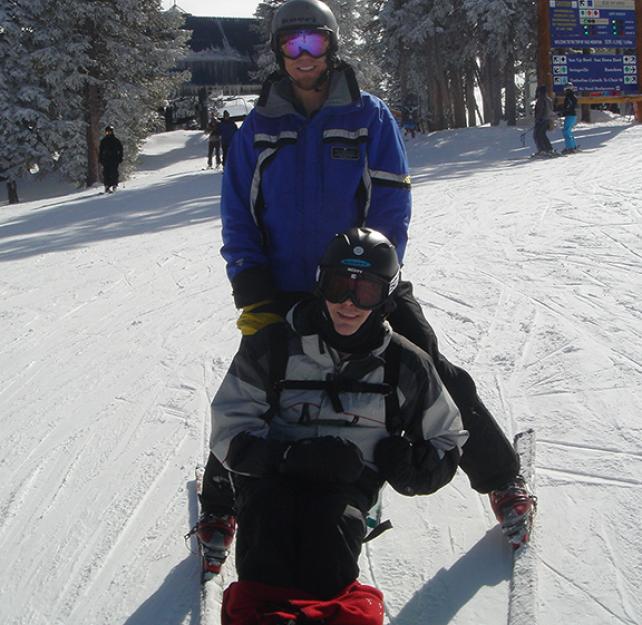
U.S. Army Veteran Jason Ehrhart and his Caregiver and mother, Pam Estes, share how adaptive sports like sit-skiing help heal traumatic brain injury (TBI).
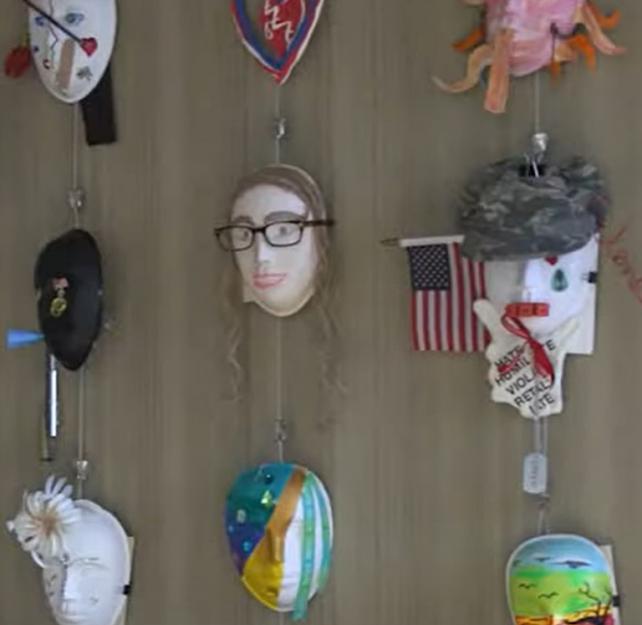
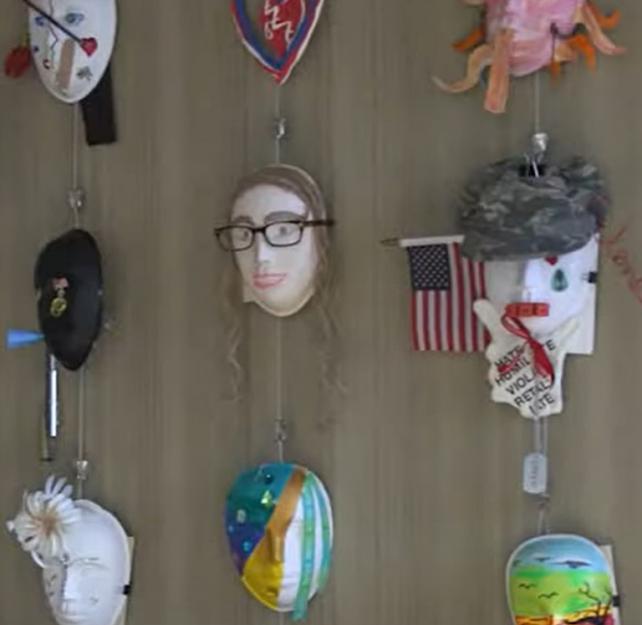
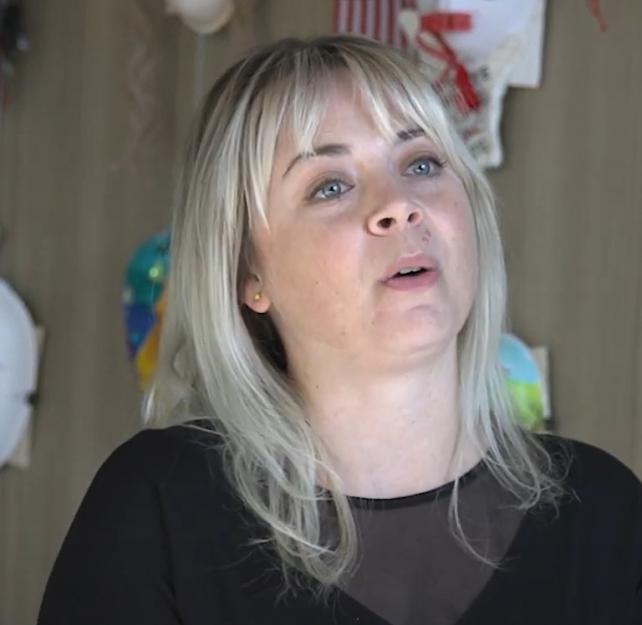
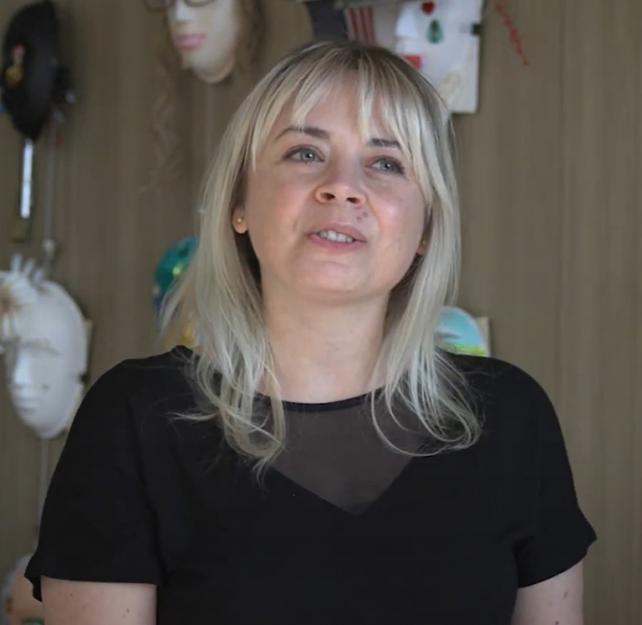
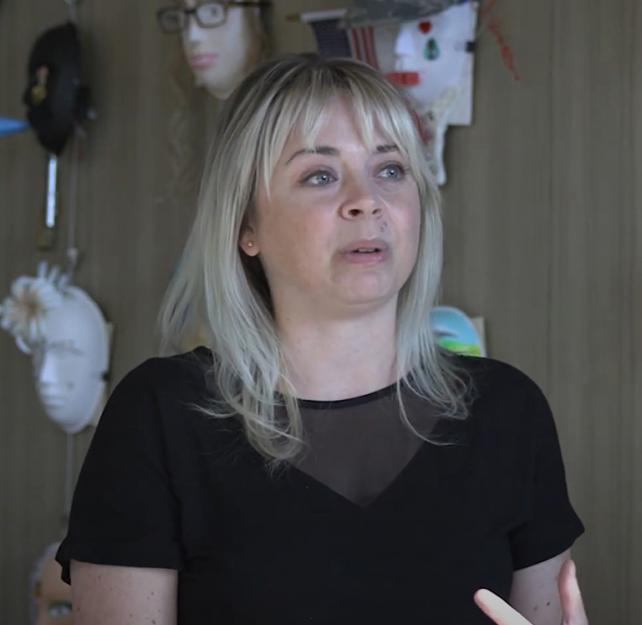
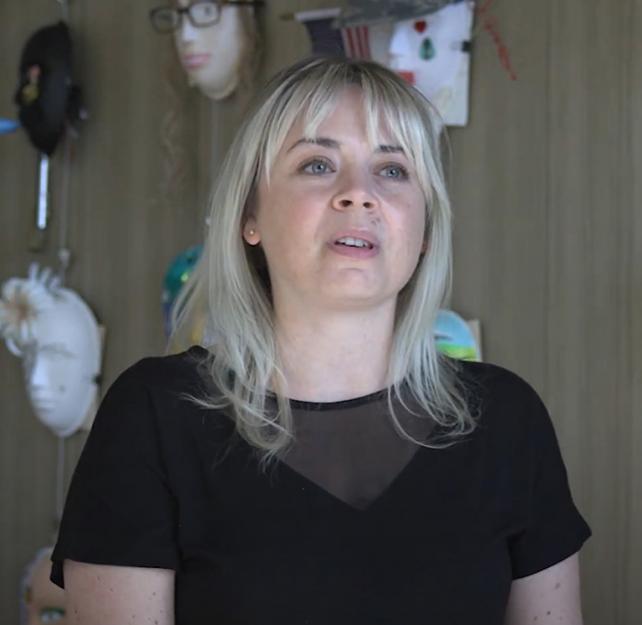
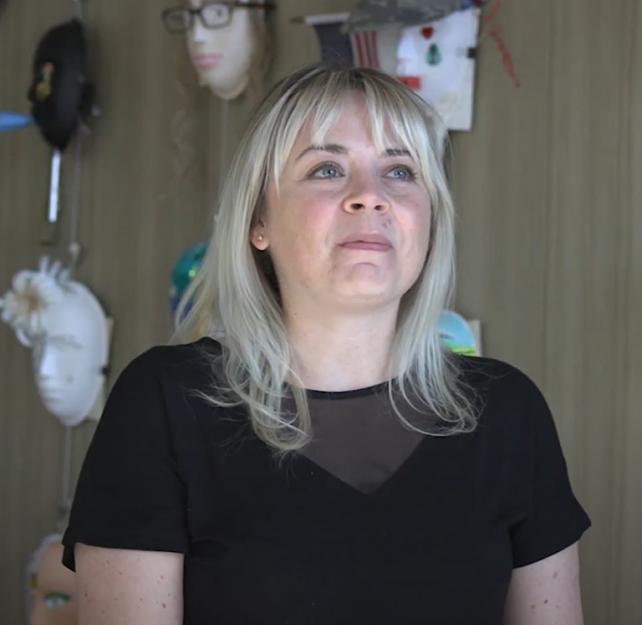
Showing the fronts and backs of masks made by veterans with PTSD and TBI, Art Therapist Stephanie Clark talks about how through the process of making, a veteran can process and better understand their traumas.
Army Veteran Tom Voss says that when he took his first meditation workshop, he recognized that it could be helpful for other veterans like him struggling with PTSD and moral injury. He started to host classes and workshops and as he did, he says his own capacity to heal and help others heal expanded.
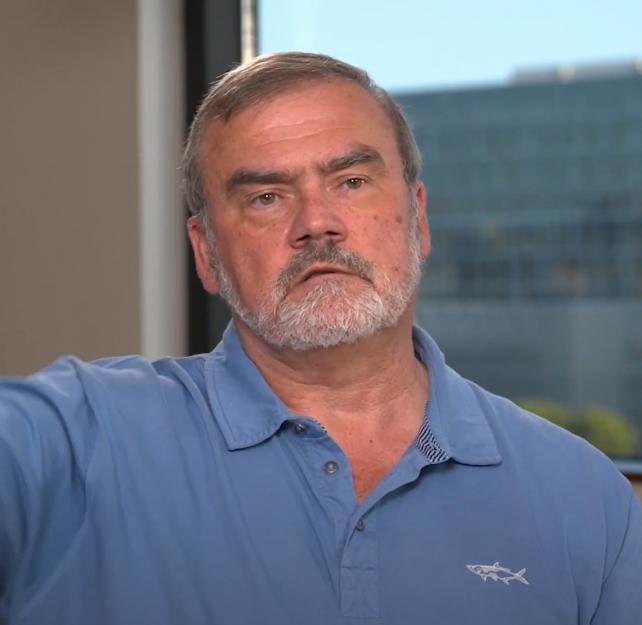
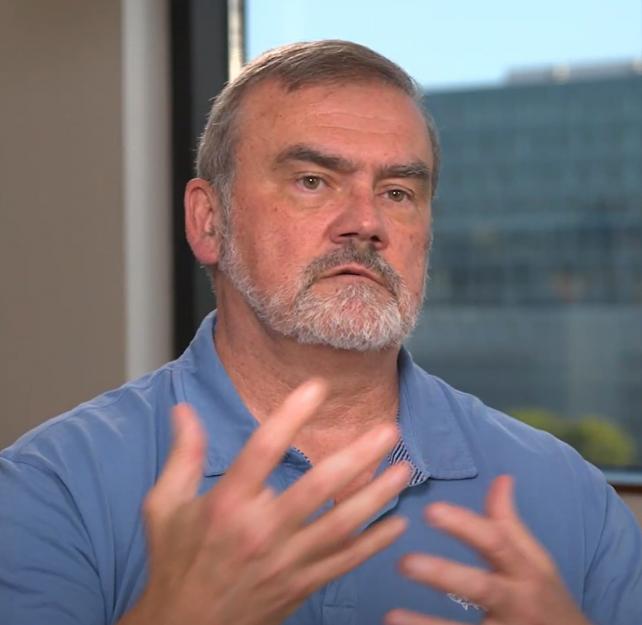
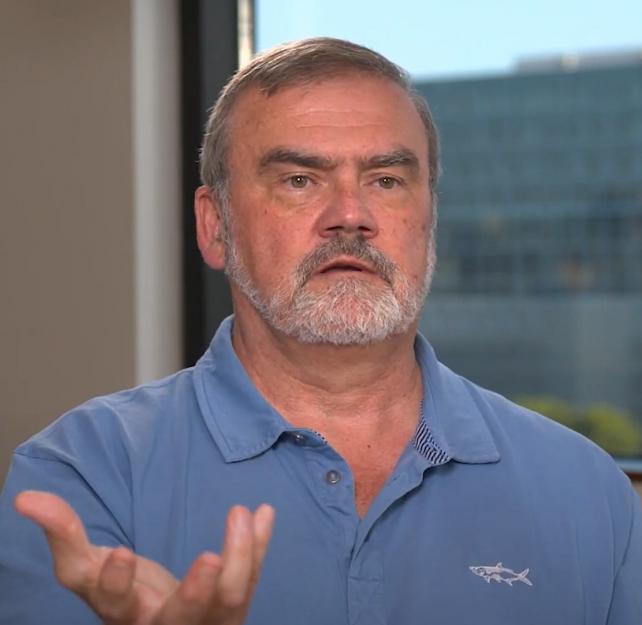
The differences and similarities of moral injury and post-traumatic stress (PTSD) how Chaplain Mark Schimmelpfennig helps treat both through spiritual care.
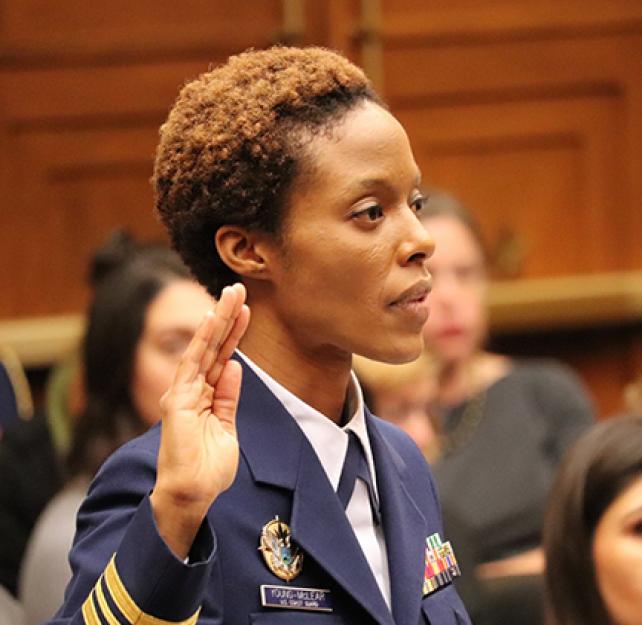
How finding a community of support, enjoying music, and reveling in the company of her little poodle all help Kimberly Young-McLear, PhD, on her journey to heal.
After years of bullying, harassment, discrimination, and retaliation for a variety of reasons, she chose to expose the gross misuse of power in how the Coast Guard handled these issues.
Her husband was different when he came home from his deployment. Jenna married the love of her life, Isaac, in the United States Navy. He returned home from Afghanistan a changed man. Jenna started feeling stressed out herself.