Use the filters to browse the information we have available or to narrow your search results for a specific audience (e.g. caregivers, military, children), a preferred type of content (e.g. videos, blogs, articles), or by topics of interest (e.g. family concerns, legal issues, symptoms).
Army COL Dallas Hack, MD, talks about the challenges in diagnosing and treating TBI — from the dearth of research to the lack of definitive treatments.
Surgical and non-surgical interventions for TBI, especially those that are more severe, hinge on accurate diagnosis. More research is needed to fine-tune how TBIs are diagnosed, in ERs and in theater.
For service members with mild TBI and substance abuse issues, their job is to get better. Their command works with them to get them better and back to their units.
The military is offering stronger services for service members and vets who have TBI and substance abuse issues, such as the availability of regional care coordinators for Guard and Reserve.
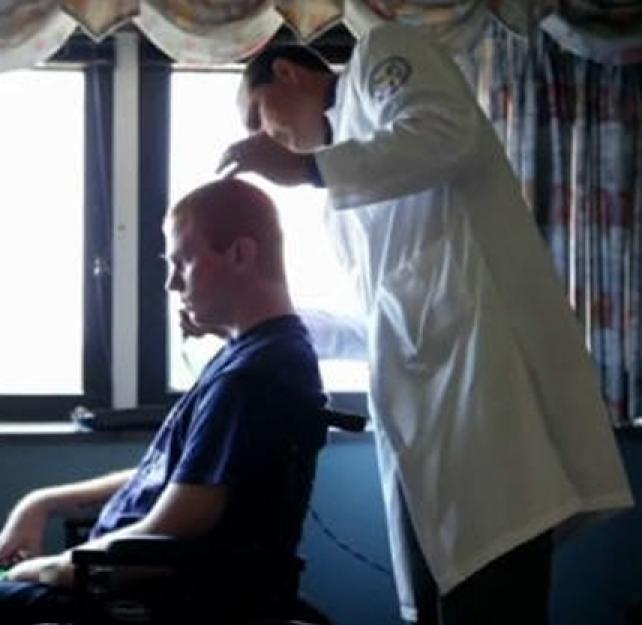
Above all else, the TBI doctors and therapists at the US Department of Veterans Affairs listen. They learn what makes each injured person — and his family — tick so, they can help put them back together and return them to a full life.
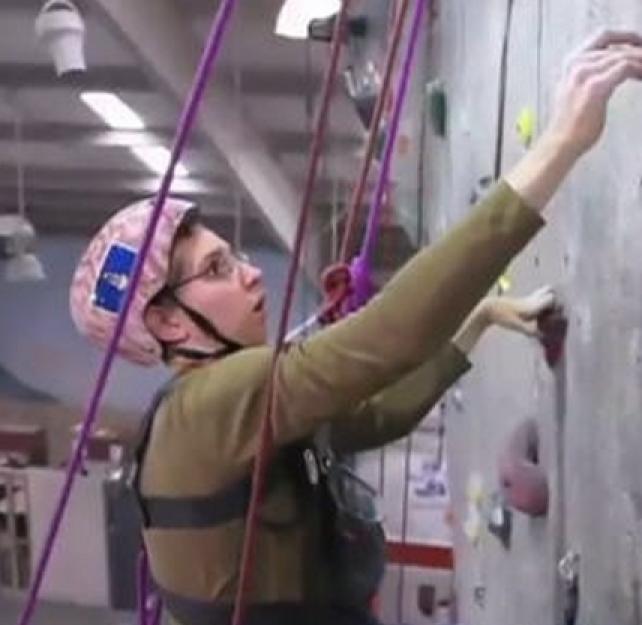
After a severe TBI, Airman First Class David Rogers continues to work with the VA rehab staff. They set no limits for him — he even goes rock climbing.
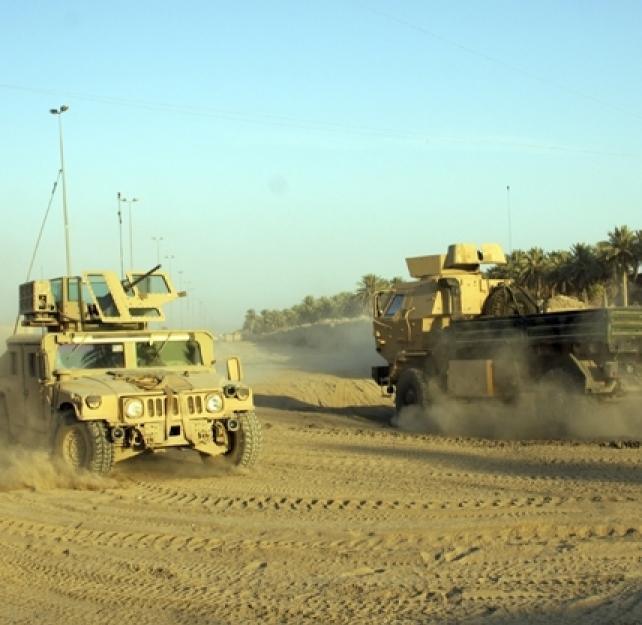
Ten years of combat in Iraq and Afghanistan have created an epidemic of PTSD and TBI in service members, sailors, and airmen. Treatments run the gamut from yoga to drugs. Learn more.
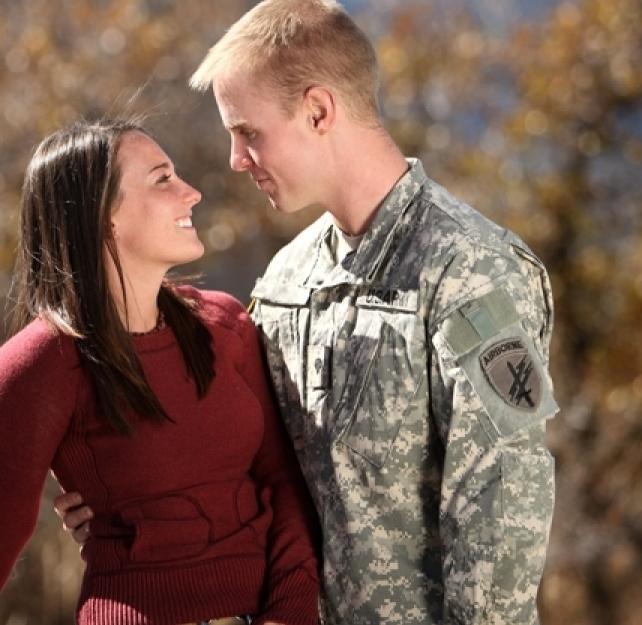
"You have a whole generation of returning wounded warriors with some very unique challenges and they kind of require a little bit of patience and a little bit of tolerance as they reintegrate."
Is a subconcussive event a concussive event that only affects one part of the brain? Learn more about what research is showing, and hopes to show in the future.
Researcher David Hovda, PhD is less interested in aptosis — or cell death — after TBI than what the cells that survive are doing to compensate for what is lost.
Today versus 20 years ago, the standards of care for TBI across the US have vastly improved. However, these standards could certainly be higher and more consistent across all medical centers.
There is always more to learn, but certain changes — from monitoring cranial pressure to having patients lie at an incline instead of flat — have increased recovery in patients post-injury.