Use the filters to browse the information we have available or to narrow your search results for a specific audience (e.g. caregivers, military, children), a preferred type of content (e.g. videos, blogs, articles), or by topics of interest (e.g. family concerns, legal issues, symptoms).
Dr. Anand Veeravagu discusses how being at or near home, close to family and "regular" life contributes greatly to the healing process of service members and veterans with TBI and other injuries.
Dr. Anand Veeravagu talks about the efficacy of coordinated care among a patient's entire medical care staff and how it ties into patient-centered care and successful outcome.
Dr. Heechin Chae explains how setting goals for recovery involves not only the individual and the medical team, but the whole family since a brain injury affects everyone in a family.
Dr. Heechin Chae talks about the best strategies for people with brain injury to return to their jobs, the most important and often difficult one being to return slowly and carefully.
Dr. Heechin Chae says he feels like a conductor in an orchestra -- each patient is a different symphony and he has to understand that music and then come up with the exact right "instruments" and "musicians."
Setting goals for TBI treatment is crucial, but Dr. Heechin Chae emphasizes that clairty in those goals and the steps necessary to achieve them are essential for success.
Dr. Heechin Chae says he feels like a detective when treating a patient with TBI; you have to ask the right questions so as to develop an individual treatment plan.
Dr. Heechin Chae explains how the brain — in response to the neurochemical changes from an injury — can go into a protective state, a defensive state to protect itself from further injury.
Dr. Heechin Chae says that civilian providers treating military patients with TBI should always be sensitive to the fact that there may be emotional scars involved.
Dr. Heechin Chae talks about understanding what a person truly wants to focus on during his recovery and building an individualized treatment plan with those goals in the forefront.
Dr. Heechin Chae recommends that primary care physicians realize they can't take care of TBI, PTSD, and other co-morbid problems in a military patient during one appointment.
Dr. Heechin Chae talks about how a brain injury is like an earthquake in a city, changing, damaging, or destroying the roads and bridges in the city of the brain.
Dr. Anand Veeravagu talks about how the military's ability to deliver high-end acute care on the battlefield can benefit paramedics and EMTs handling acute care in the civilian world.
With more than 266,000 diagnoses of TBI from the wars in the last decade, researchers are trying to create a "common data dictionary" that better differentiates among mild, moderate, and severe injury.
Dr. Anand Veeravagu talks about how Obama's BRAIN initiative will further advancements in research for TBI, stroke, Alzheimer's and other neurological conditions to the arena of clinical care.
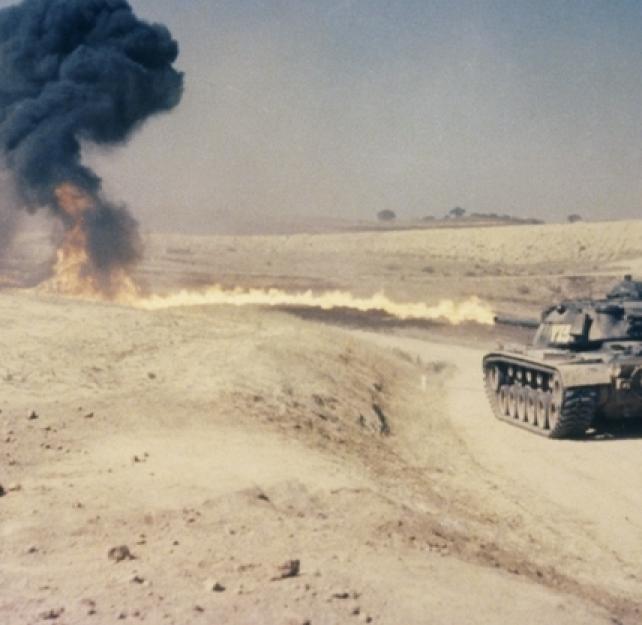
Dr. Anand Veeravagu explains how a blast causes a swift change in pressure that generates a wave of wind, sound, and/or debris that, in turn, can damage a person's brain through a microtrauma or microbleed.