Use the filters to browse the information we have available or to narrow your search results for a specific audience (e.g. caregivers, military, children), a preferred type of content (e.g. videos, blogs, articles), or by topics of interest (e.g. family concerns, legal issues, symptoms).
When a service member is deployed the spouse is everything: head chef, accountant, mechanic, troubleshooter, problem solver, mother, father, good cop, and bad cop. Their job is moving from a dual parent role to a single parent role and back again, constantly. The challenge is that this takes some getting used to for both the spouse and the service member.
Ever wonder what it was like for Superman at home? He has chores and responsibilities, just like every other spouse in a mutually supportive relationship. But how does he leave the cape at the door? And how does Lois get used to him wearing the cape around the house?
In this cohort study of more than 350 000 veterans, even mild TBI without LOC was associated with more than a 2-fold increase in the risk of dementia diagnosis.
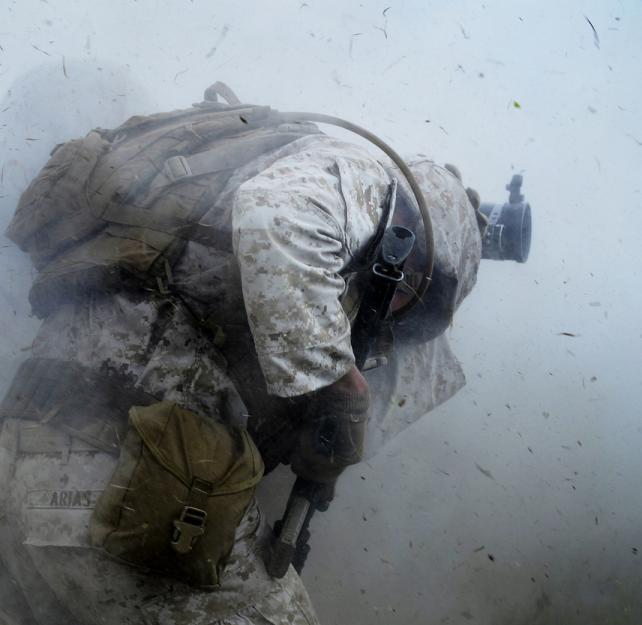
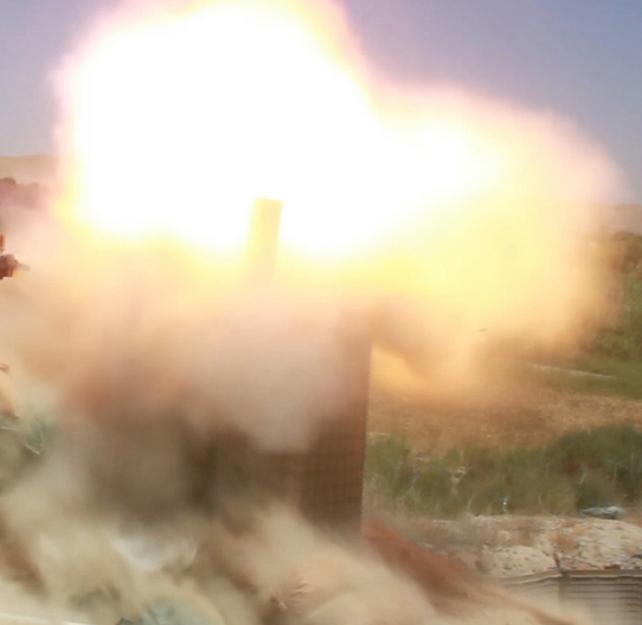
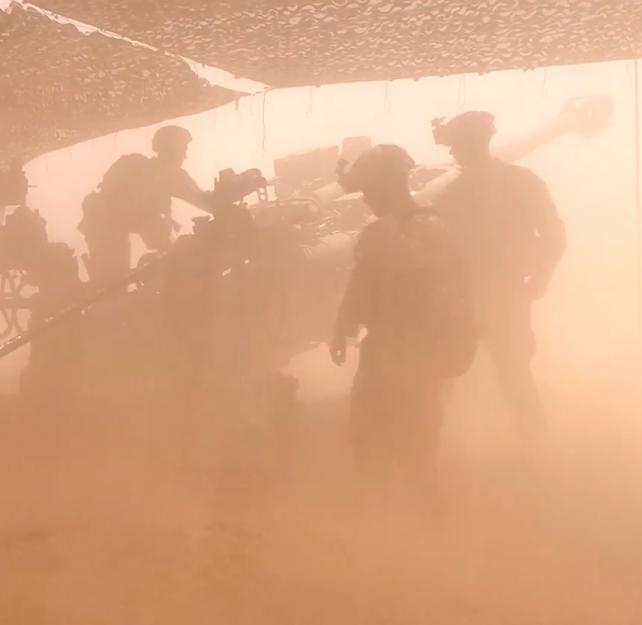
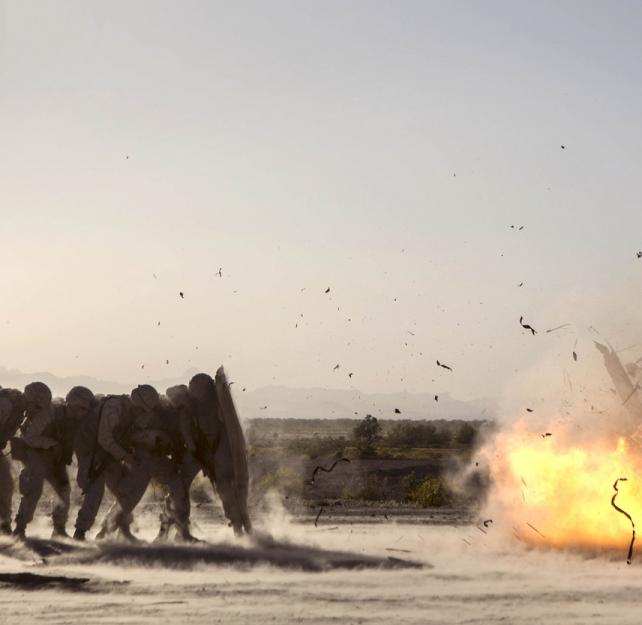
Mild blast traumatic brain injury (bTBI) accounts for the majority of brain injury service members and veterans but the mechanisms of primary blast brain injury continue to be disputed. Addressed in this review are blast wave transmission through the skull, direct cranial transmission, skull flexure dynamics, thoracic surge, acceleration, and cavitation.
The list was written from my own experience as a combat veteran, and from what I’ve learned from veterans in my own work; this post is looking at things from the other side, based on my experiences as a mental health counselor.
Dr. Perl talks about some of the challenges in identifying exact numbers of blast injury in the military but estimates that it's in the hundreds of thousands. He also talks about questions related to women who may suffer from blast injury in the future and civilians impacted by blast injuries as well.
EMDR helps process and make sense of trauma. It involves calling the trauma to mind while paying attention to a back-and-forth movement or sound (like a finger waving side to side, a light, or a tone).