Use the filters to browse the information we have available or to narrow your search results for a specific audience (e.g. caregivers, military, children), a preferred type of content (e.g. videos, blogs, articles), or by topics of interest (e.g. family concerns, legal issues, symptoms).
Dr. James Malec suggests caregivers try to be alert to symptoms that may develop post-injury like sleep disturbance or depression, but to lean on the side of trying not to worry too much.
Designed to measure post-acute outcome, the Mayo-Portland Adaptability Inventory helps providers measure the progress of people with TBI and tailor appropriate treatment plans.
As children with severe TBI move from childhood to adolescence to adulthood, their needs and wants change; behavior problems can serve the function of drawing attention to a changing need.
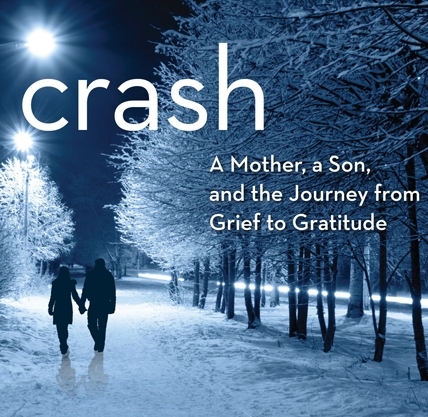
Two teenagers. A dark road. A drunk driver. This excerpt is from a beautiful book about the journey from grief to gratitude to grace by a pediatrician-mother.
A full neuropsychological evaluation of a child with a mild brain injury can often tell more about the nature of the damage and its functional effects than imaging screens like CAT scans or MRIs.
Keeping a journal, taking videos, and looking back to mark progress can help families with a loved one with a severe TBI. But most importantly, families need to seek help.
This is a glimpse into the life of a girl whose father sustained a brain injury. Her life continues to be defined by the moment of her father's car crash — for better and for worse.
For physician, writer, and mother Carolyn Roy-Bornstein, writing was the way she made sense of the world, but after her son sustained a brain injury, she found she was also writing for him.
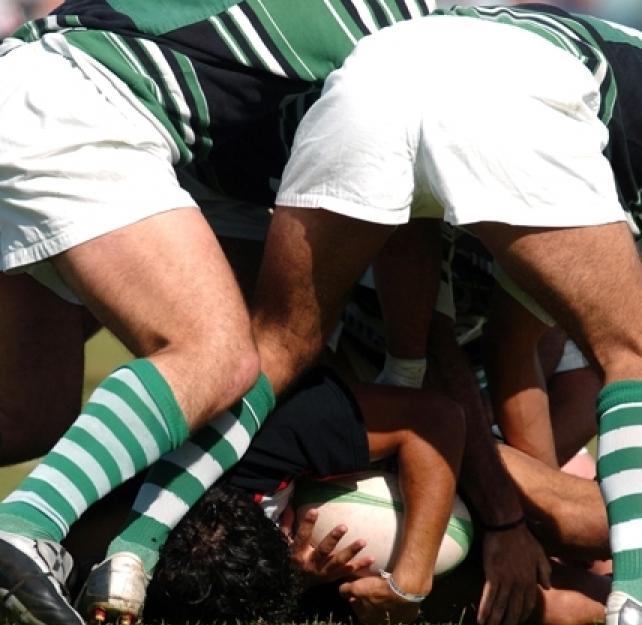
This is a tale of two boys from very different backgrounds who had one very important thing in common. They were both mad about rugby — and they both suffered from concussion.
The prolonged period of stress after a loved one has a TBI can last years. Asking for help and knowing that life may be different but it will get easier and better are crucial points for caregivers.
Ambiguous loss describes the grief associated with a loss of a person or relationship, in which there is confusion or uncertainty about that person or relationship.
Although it is painful for a person with TBI and his family to recognize what has been lost from the injury, that understanding also frees them to grieve and move forward.