Use the filters to browse the information we have available or to narrow your search results for a specific audience (e.g. caregivers, military, children), a preferred type of content (e.g. videos, blogs, articles), or by topics of interest (e.g. family concerns, legal issues, symptoms).
Each year, traumatic brain injuries (TBI) contribute to a substantial number of deaths and cases of permanent disability. Understanding the data around brain injuries is critical to understanding the impact of this invisible public health crisis.
There is a nice thing about learning to live after a brain injury. Once you realize you can live life again, most everything else seems like a cakewalk.
Recovery from a TBI involves personal commitment and a tremendous amount of time, along with contributions from family and friends. The most important part in most of these cases begins with caregivers – whom I consider angels.
Simple things become a challenge after a brain injury. During the extremely challenging years of my recovery, here is what I did to help myself get through a phone call and accomplish what I needed to do.
A couple of weeks with a respite from the worst of brain injury symptoms does not mean that I am abruptly recovering. It simply means that I’ve been able to string together a decent number of tolerable days.
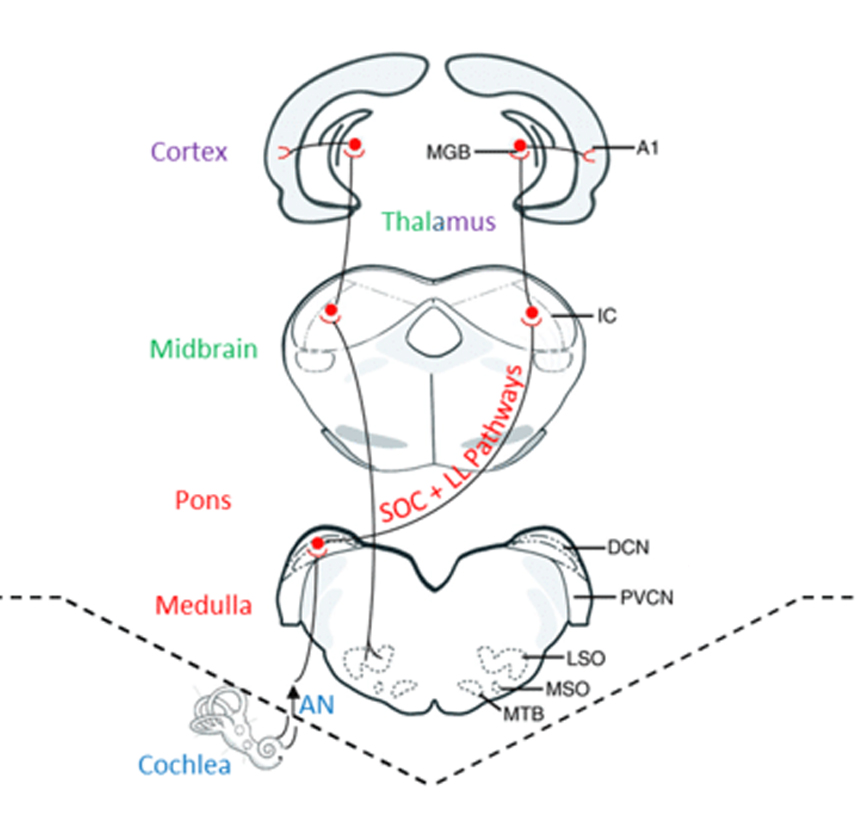
Research findings suggest mild blast trauma suffered by military personnel affects portions of the auditory system that have not been extensively studied after injuries occur, and this impairment might be diagnosed using well-established testing methods.
I still have bad days. By looking at me, you’d never know that it was a “bad TBI day.” Today happens to be one of those days. Let me tell you a bit more about a bad TBI day and why a bad TBI day is different than it was a few years ago.
My relationship with clinical depression goes back almost three decades. For reasons that even those intimately familiar with brain injury would be at a loss to explain, my depression virtually disappeared after my injury.
A brain injury can be a precious gift. The existential crisis that more than likely occurs when you have an injured brain is a catalyst that can change your life positively forever.
After a severe TBI at age 4, Michael Wight is now in fourth grade at Switlik Elementary, where they call him "the mayor." He attends class with other fourth graders and also gets help from a special education teacher, speech therapist, and physical therapist.
There seems to be no shortage of helpful tips and tricks about how to get through the holiday season as a brain injury survivor. But what about recovering after the holidays?
I am one person who experienced a rather extreme trauma. I will always look at my life as “before and after.” I deem that to be a healthy mindset, one shared by most anyone who has lived through a life-altering event. But I’m tired of a mindset that separates me from the rest of humanity.
Rachel Derrington is not the same person she was before her brain swelled up and changed her attitude, priorities and sense of self. She is better. Rachel shares the four things that turned her from an survivor to a thriver.
With an injured brain, the holiday season can burden us with more fatigue, more stress and perhaps some sad emotions. We will be able to enjoy ourselves much more if we prepare ourselves for the holiday season. Here are some tips that work for me since my brain injury.
After a brain injury more, of many things, is not better. It is not better to see more things around you; it is not better to be given more choices; it is not better to have more things to do...