Use the filters to browse the information we have available or to narrow your search results for a specific audience (e.g. caregivers, military, children), a preferred type of content (e.g. videos, blogs, articles), or by topics of interest (e.g. family concerns, legal issues, symptoms).
The introduction of COVID-19 to the human population around December 2019 has resulted in a pandemic that continues to affect the entire world. While the research to date has focused on potential neurological impairment to COVID-19 patients, little attention has been placed on the effects of the fallout caused by COVID-19 on individuals who are living with brain injury. Specifically, the pandemic has resulted in job loss, social isolation, interruptions to routine, and a need to adjust previously successful compensatory strategies, all highlighting some of these unique challenges. The general population has experienced the same issues. However, individuals with brain injury were already experiencing these prior to the pandemic.
Traumatic brain injury (TBI) is a leading cause of death and disability. Older adults are more likely than younger individuals to sustain TBIs and less likely to survive them. TBI has been called the “silent epidemic,” and older adults are the “silent population” within this epidemic. This study evaluates whether indicators of preinjury health and functioning are associated with risk of incident traumatic brain injury (TBI) with loss of consciousness (LOC) and to evaluate health‐related factors associated with mortality in individuals with incident TBI.
Although there’s been a great deal of concern about repeated brain injuries, the long-term effects of single traumatic brain injury is a significant problem that we don't know much about.
In this cohort study of more than 350 000 veterans, even mild TBI without LOC was associated with more than a 2-fold increase in the risk of dementia diagnosis.
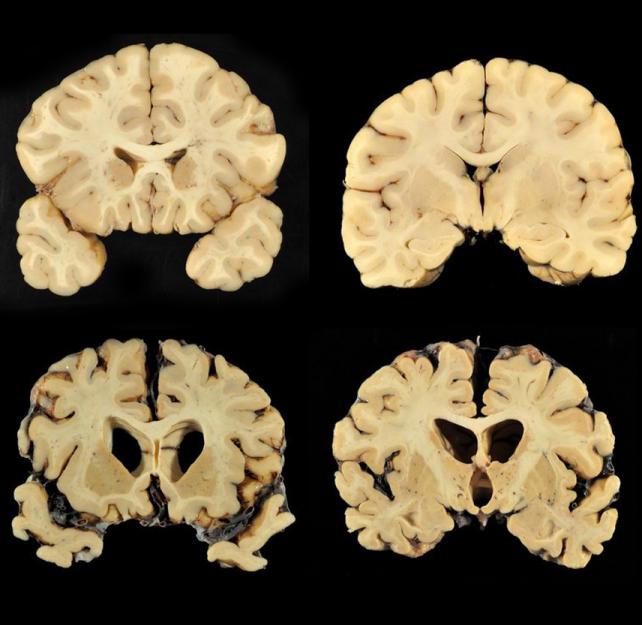
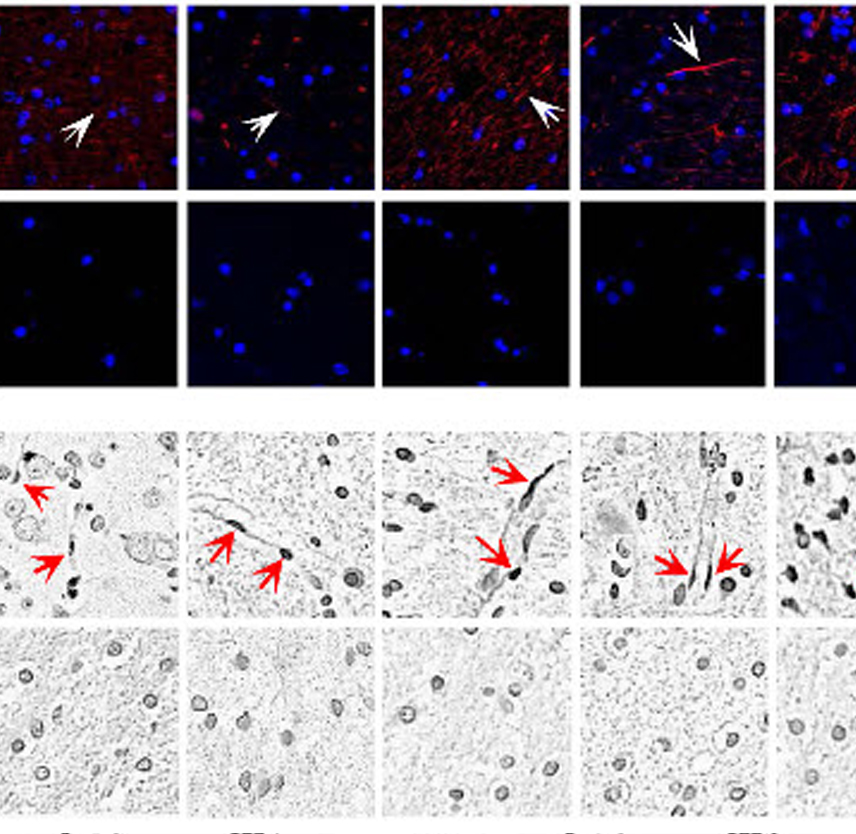
A Harvard Medical School study published in Nature Communications shows a molecular relationship between TBI and CTE but also a possible treatment mechanism — just not one that can be used to treat humans quite yet.
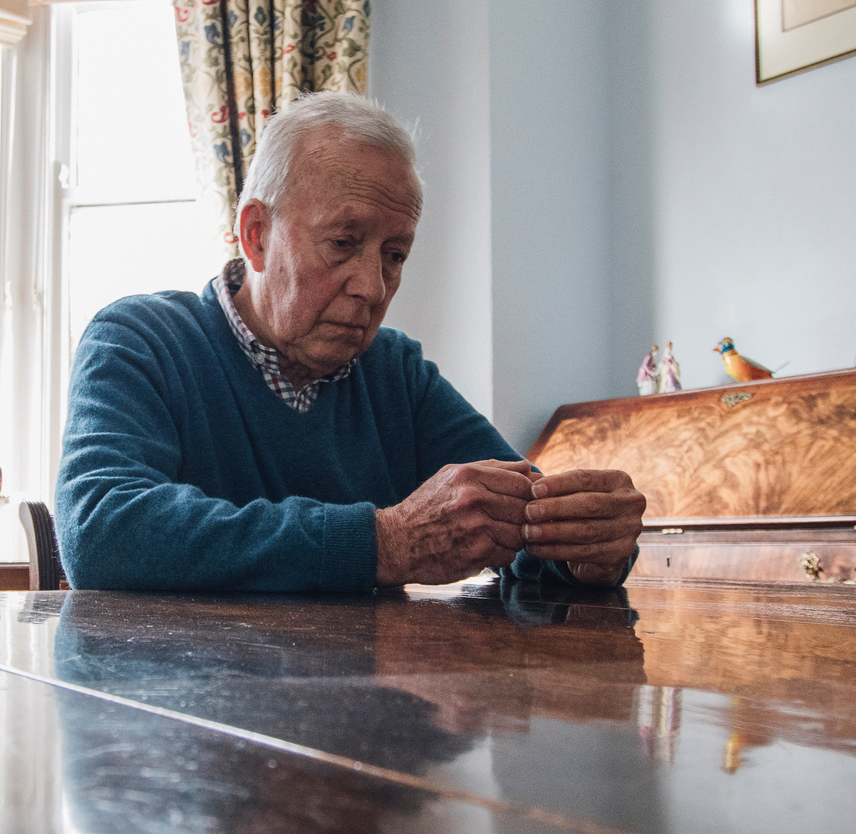
Remembering her father who had dementia — another sort of injury to the brain — Rosemary says that letting time stand still every now and then is good for the soul.
Your home may be filled with fall hazards, so take a look around every room. There are easy preventative measures you can take to prevent falls and eliminate hazards.
Dr. Paul Aravich talks about the relationship between TBI, PTSD, and Alzheimer's and what is needed for the diagnoses and treatments of these conditions.
TBI can come with increased risks of other health problems like Alzheimer's, but what harm is there in choosing to live a healthy life rather than focusing on what could happen?
Dr. Jordan Grafman talks about the Vietnam Head Injury Study, started in 1981, that continues to look at the effects of brain injury on current and late-life function.
Dr. Jordan Grafman discusses the research around aging with a TBI — from the importance of regular social interaction to the strategies for reducing tissue damage as the brain ages.