Use the filters to browse the information we have available or to narrow your search results for a specific audience (e.g. caregivers, military, children), a preferred type of content (e.g. videos, blogs, articles), or by topics of interest (e.g. family concerns, legal issues, symptoms).
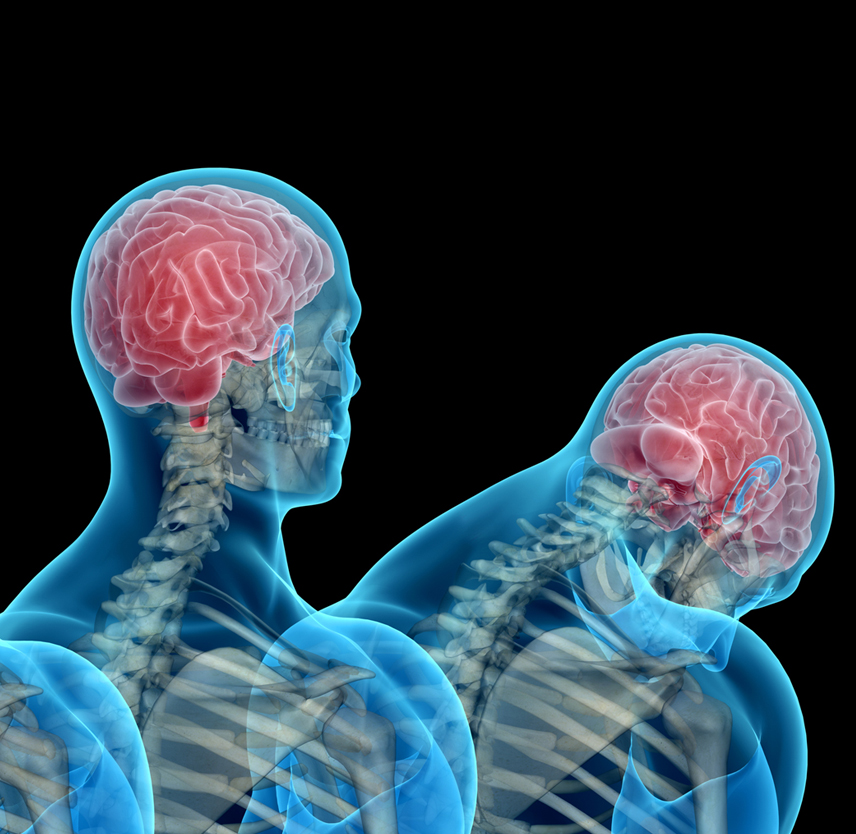
The way our head and neck are positioned during a head-on impact may significantly affect the risk of concussion — but tensed up neck muscles seem to offer far less protection.