Use the filters to browse the information we have available or to narrow your search results for a specific audience (e.g. caregivers, military, children), a preferred type of content (e.g. videos, blogs, articles), or by topics of interest (e.g. family concerns, legal issues, symptoms).
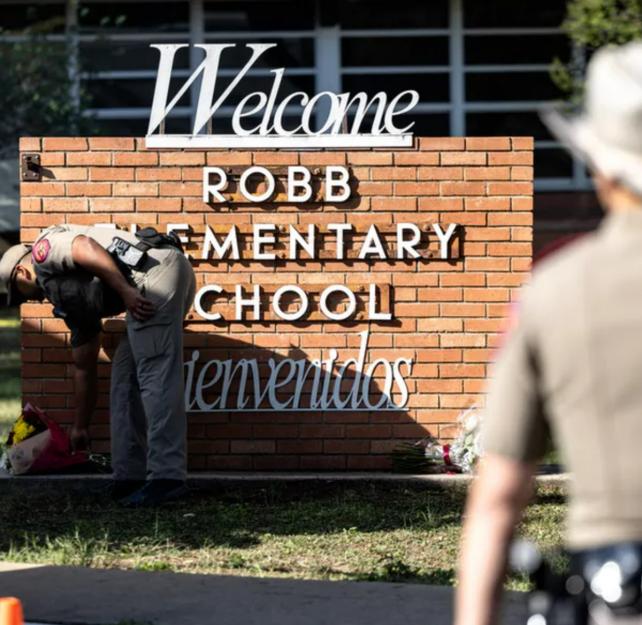
It is important to understand that no two people experience such horrific exposure in the same way. The extent of the trauma, stress or fear can vary. Survivors of a shooting may want to avoid the neighborhood where the shooting occurred or the context related to shooting, such as grocery stores, if the shooting happened at one. In the worst case, a survivor may develop post-traumatic stress disorder.
Luego de sufrir un trauma, los sobrevivientes a menudo dicen que su primera sensación es sentirse aliviados por estar vivos. Esto podría estar seguido por estrés, miedo e ira. Los sobrevivientes de un trauma también podrían descubrir que son incapaces de dejar de pensar en lo que ocurrió. Muchos sobrevivientes presentan un alto grado de alerta, lo que hace que reaccionen intensamente ante los sonidos e imágenes a su alrededor.
Most people have stress reactions after a trauma. Having such a reaction has nothing to do with personal weakness. Stress reactions may last for several days or even a few weeks. For most people, if reactions or symptoms that feel like PTSD occur, they will slowly decrease over time.
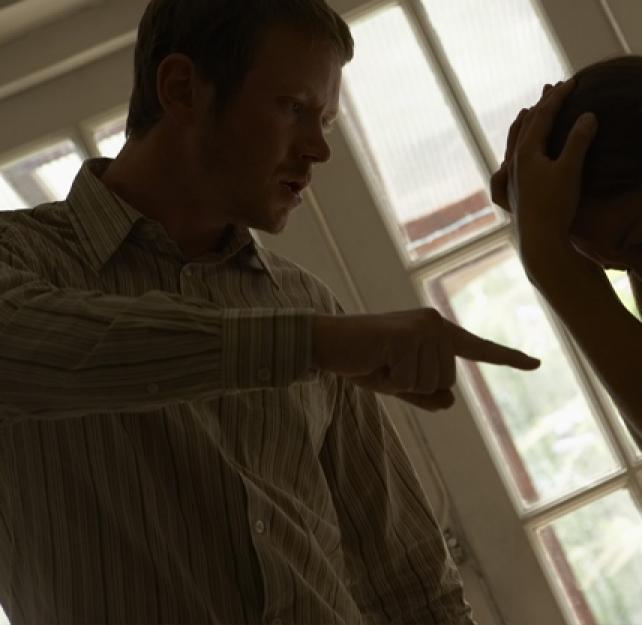
Anger and irritability are common side effects of a brain injury. They’re heightened when we view other’s actions through a negative lens. Here are some strategies to help reduce anger, irritation, and aggression. Sometimes it helps to PAUSE before you react:
Imagine waking up one morning and your loved one lost the ability to recognize and empathize with your feelings. For the last couple of decades, researchers have been showing this to be a common outcome for people who have suffered a traumatic brain injury.