Use the filters to browse the information we have available or to narrow your search results for a specific audience (e.g. caregivers, military, children), a preferred type of content (e.g. videos, blogs, articles), or by topics of interest (e.g. family concerns, legal issues, symptoms).
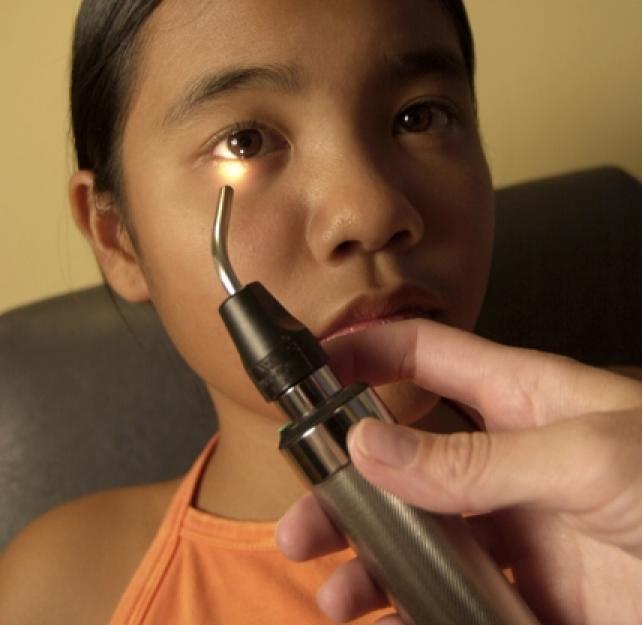
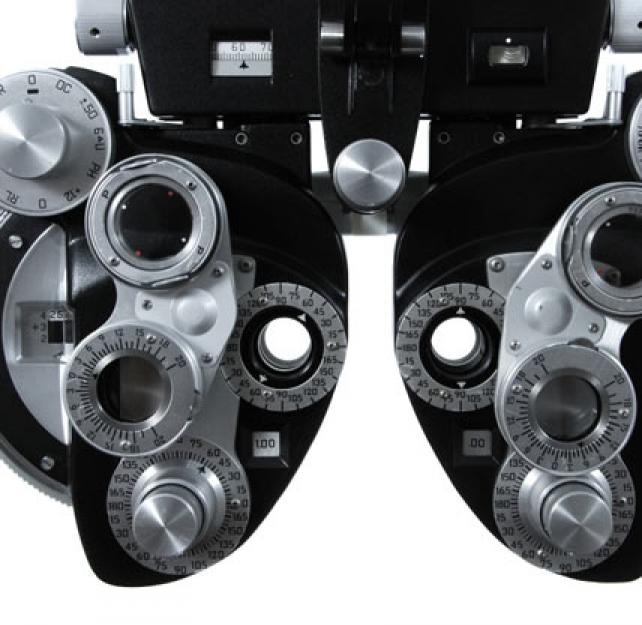
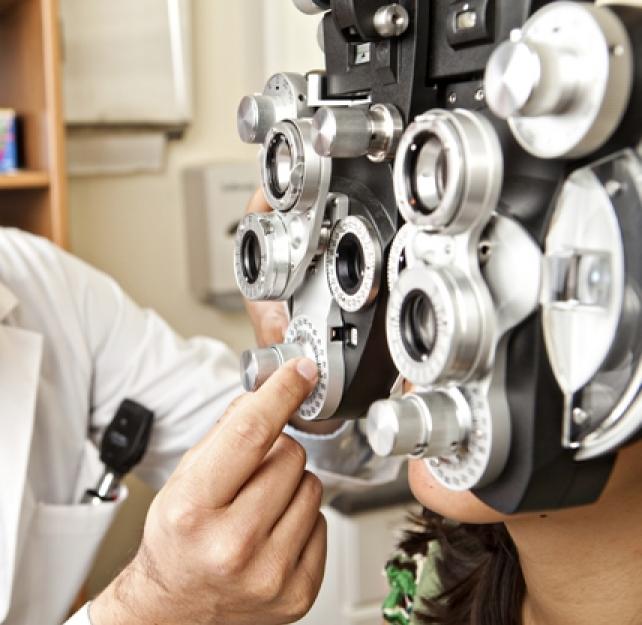
Up to 40% of people with brain injury experience related vision disorders. Some vision-related issues can be permanent; others resolve quickly. Here's what you need to know.
Scanning therapy for hemianopsia after TBI isn’t a cure nor is there a guarantee that everyone will have good results. But oftentimes, there is great benefit.
40-50% percent of the brain is involved in vision; so if a person’s brain is damaged in a specific location or several locations, there is a high probability that his vision will be affected in some way.
Learn what vision-related reading problems can crop up after brain injury and what strategies are out there from using a "hemi card" to "last letter cancellation therapy."
TBI is a multi-faceted injury that can present physically through headaches, balance, hearing, or vision problems; psychologically through depression or post-traumatic stress; cognitively through memory and attention issues; or all or a combination of these “buckets.” Home Base is a two-week intensive program for veterans and service members that serves as part of their journey to recovery. After the two weeks, case managers help their clients set up the necessary care and services they need in their community and follow their progress.
Patients who have right parietal damage and suffer from left hemineglect will often copy only the right half of a drawing, eat the food off only the right side of their plate and disown their left limbs.
A brain injury can bring with it all sorts of challenges. A person’s balance may be off; he may have lost part of his field of vision; or his memory might be so compromised that within moments of seeing or hearing something, it’s gone. But like a magnifying glass for someone who has trouble reading the small print, there are many assistive technologies available for people with TBI.
The consequences of mild traumatic brain injury turn worlds upside down. Headache, double vision, and balance difficulties are the most obvious problems, but less visible symptoms can be the most insidious and difficult to manage.
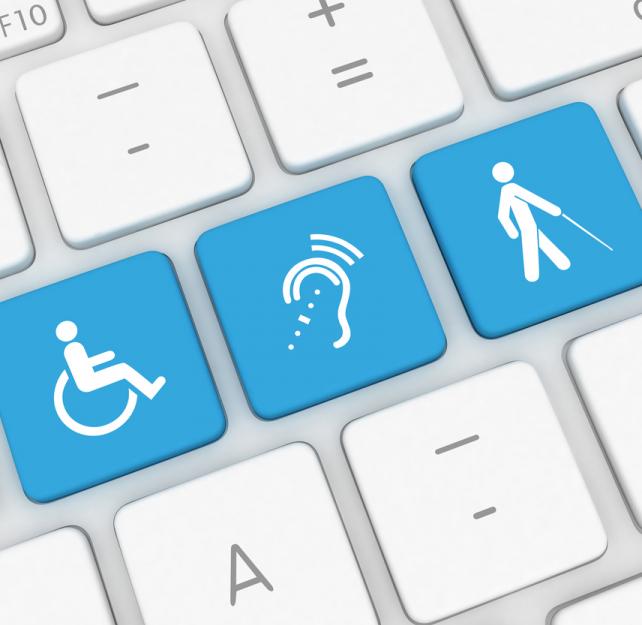
People with brain injury can have problems with accessibility. They can run into countless obstacles — from websites that don’t take into account someone with vision problems or memory problems to buildings without wheelchair access. Here's what you need to know.