Use the filters to browse the information we have available or to narrow your search results for a specific audience (e.g. caregivers, military, children), a preferred type of content (e.g. videos, blogs, articles), or by topics of interest (e.g. family concerns, legal issues, symptoms).
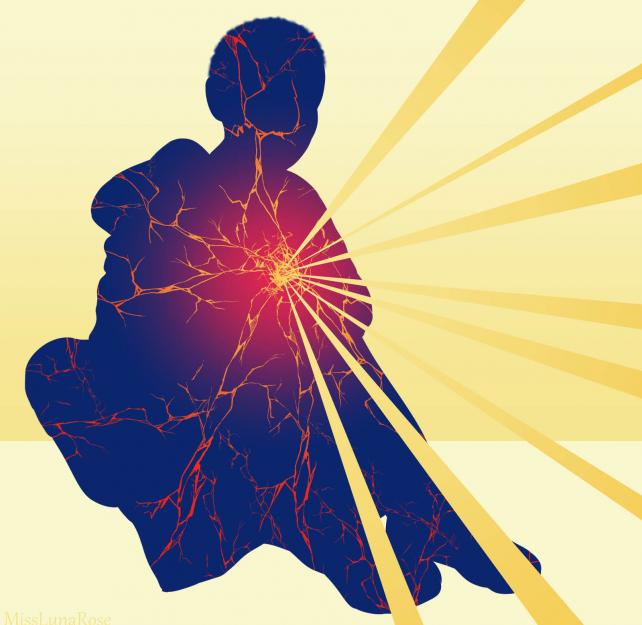
Experiencing PTSD and chronic pain simultaneously can sometimes lead to suicidal thoughts. But with guidance from family and friends to find the right resources and professionals, people can access highly effective combined treatments that help them return to a full life—physically and emotionally.
Physicians spend a lot of time in school learning about obscure diseases and yet we’re not taught about a medical condition like TBI that every single medical specialist will encounter over and over. Chronic brain injury MUST be a part of every health care student’s curriculum.
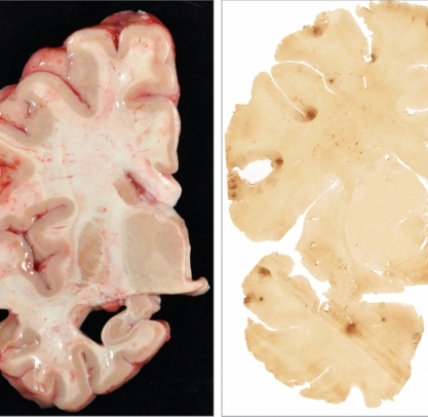
Traumatic brain injury (TBI) can have lifelong and dynamic effects on health and wellbeing. Research on the longterm consequences emphasises that, for many patients, TBI should be conceptualised as a chronic health condition. Evidence suggests that functional outcomes after TBI can show improvement or deterioration up to two decades after injury, and rates of all-cause mortality remain elevated for many years. Furthermore, TBI represents a risk factor for a variety of neurological illnesses, including epilepsy, stroke, and neurodegenerative disease. With respect to neurodegeneration after TBI, post-mortem studies on the long-term neuropathology after injury have identified complex persisting and evolving abnormalities best described as polypathology, which includes chronic traumatic encephalopathy. Despite growing awareness of the lifelong consequences of TBI, substantial gaps in research exist. Improvements are therefore needed in understanding chronic pathologies and their implications for survivors of TBI, which could inform long-term health management in this sizeable patient population.
"I don't measure how far I have come by goals achieved .... For me, what counts is that pain no longer rules my life," so writes Iraq veteran Derek McGinnis.
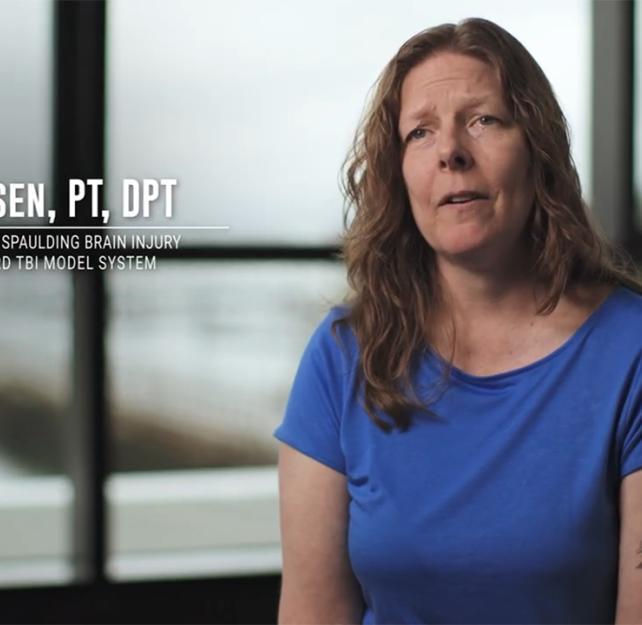
In this video, Beth Hansen, PT, DPT, explains how rehabilitation teams assess pain, stress, and tolerance during therapy for people with disorders of consciousness.
When a loved one sustains a serious head injury, there is certainly pain and hardship and the list of hardships is varied and long. TBI’s deliver potent cocktails of mental, emotional, physical, and psychological trauma not only to the injured person but also to their families.
The more I start to recognize what I am feeling — both physically and emotionally — the more I can speak up for myself, and advocate for what I need. It is not easy, and not something that everyone wants to hear, but I need to care for myself, too.
The neuropsychological findings of a 25-year-old former college football player who was diagnosed with chronic traumatic encephalopathy (CTE) postmortem.
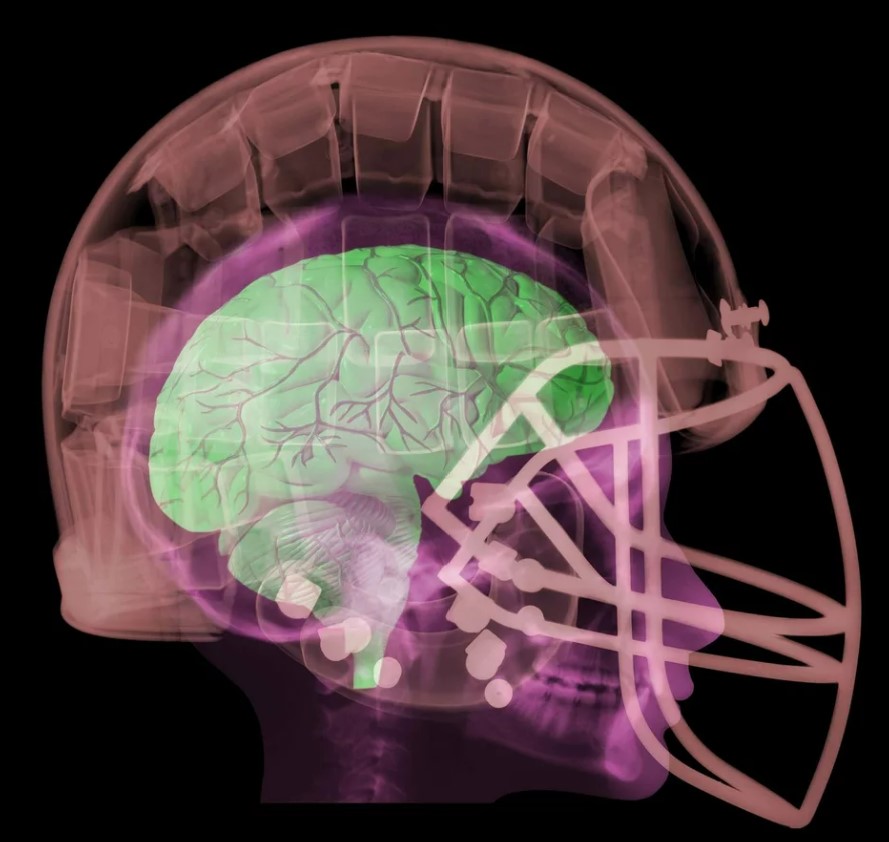
Chronic traumatic encephalopathy (CTE) is a neurodegenerative disease associated with a history of repetitive head impacts (RHI). To better understand the strength of evidence underlying the possible causal relationship between RHI and CTE, we examined the medical literature through the Bradford Hill criteria for causation.
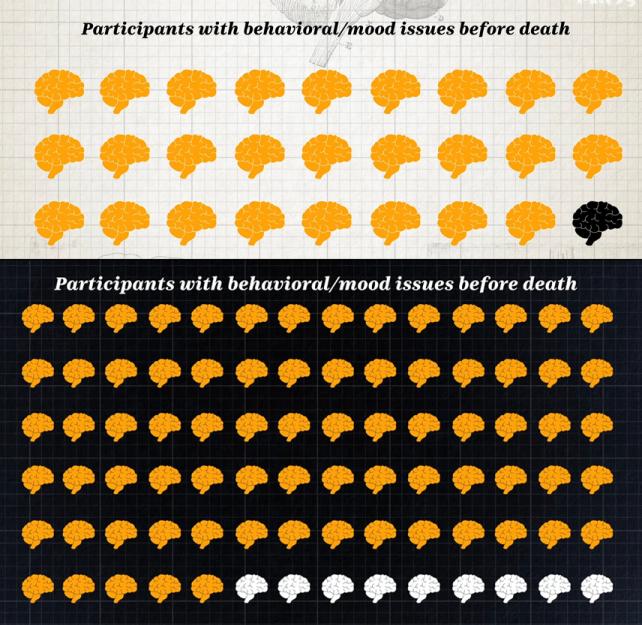
In this case series of 152 contact sport athletes younger than 30 years at the time of death, chronic traumatic encephalopathy (CTE) was found in 63 (41.4%), with nearly all having mild CTE (stages I and II).
This handout provides a brief summary of what researchers currently know and don’t know about chronic traumatic encephalopathy, or CTE. Research on CTE is growing, and more studies are needed to help answer many remaining questions. CDC will update this handout as more information on CTE becomes available.
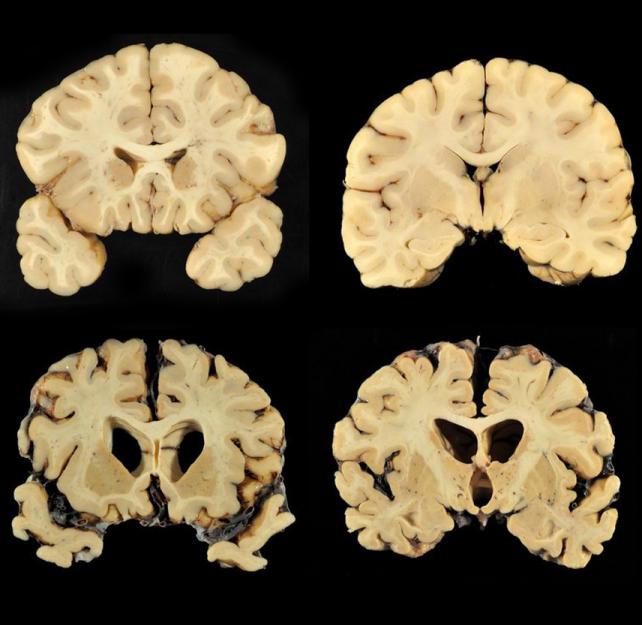
Punch drunk, dementia pugilistica, post-traumatic encephalopathy, or chronic traumatic encephalopathy — same criteria of diagnosis, the same patterns of change seen in the brain. Dr. Ann McKee explains.
USA Today's Just the FAQs explains Chronic Traumatic Encephalopathy, a neurodegenerative brain disease found in people who have experienced repetitive hits to the head.
Lt. Col. Philip Holcombe, PhD talks about how the timeline of symptoms ain acute versus chronic PTSD and in what time frame they abate. The highest recovery happenss within the first year.
From prescribing only small amounts of medications to preventing "doctor shopping," the medical team — and the patient — must collaborate to make pain management effective.