Use the filters to browse the information we have available or to narrow your search results for a specific audience (e.g. caregivers, military, children), a preferred type of content (e.g. videos, blogs, articles), or by topics of interest (e.g. family concerns, legal issues, symptoms).
Creating a feeling of community, inclusion, and understanding is part of the power of support groups. The holiday season illustrates just how impactful that support can be.
As I moved throughout 2019 I asked myself, “What could people give survivors that would actually feel meaningful? What kinds of offerings and interactions provide a lasting impression?”
Questions about how to manage emotional reactions in people with brain injury, how to address caregiver concerns, and other issues are answered by Dr. Dawn Neumann.
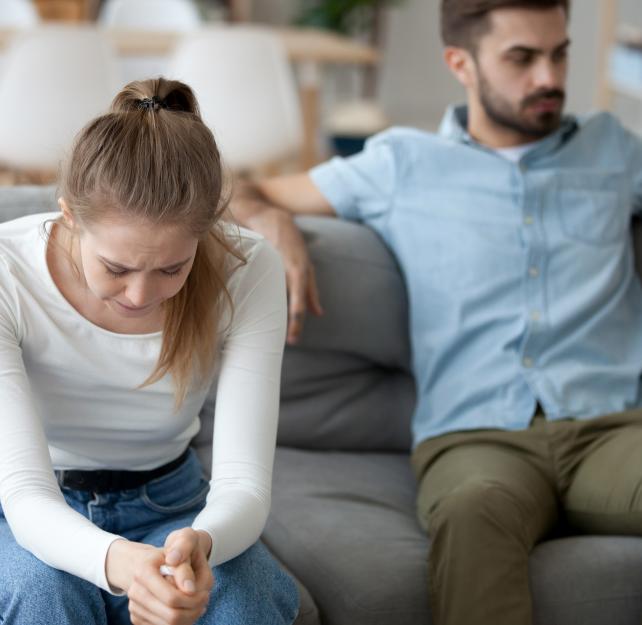
Imagine waking up one morning and your loved one lost the ability to recognize and empathize with your feelings. For the last couple of decades, researchers have been showing this to be a common outcome for people who have suffered a traumatic brain injury.
After his brain injury, her husband "never comforted her in times of sadness or worry...He never participated in her joys, not even when their first child was born. Was this because he didn’t care?"