Use the filters to browse the information we have available or to narrow your search results for a specific audience (e.g. caregivers, military, children), a preferred type of content (e.g. videos, blogs, articles), or by topics of interest (e.g. family concerns, legal issues, symptoms).
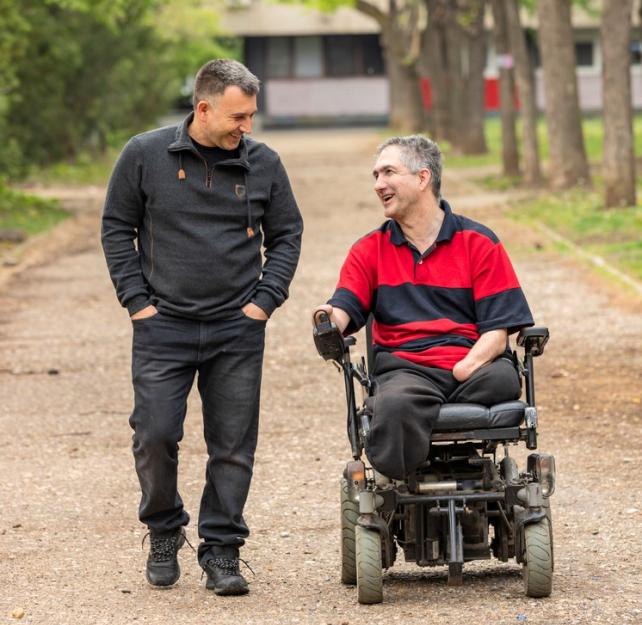
John, an Air force veteran, who sustained a TBI has benefitted greatly from almost all of the programs offered through Wounded Warrior Project. With help from community support specialists, life skills coaches, and other alternative treatments, John—and his wife—have turned some of their challenges into advantages and are now giving back to their community.
Wounded Warrior Project’s Independence Program case managers understand that when a service member has a TBI or other physical or mental health issues, the whole family is affected—in the short- and long-term. WWP case managers get to know their families intimately, checking on them weekly and helping them find the services and resources they need. They are always available to help families navigate through these sometimes-complex situations.
The core services of Wounded Warrior Project’s Independence Program include case management, resource management, care coordination, home health aide, alternative therapies, and more, with the primary goal of helping service members and their families rebuild a normal routine, plan for and succeed in the long-term, independently. But the program is always there as a safety net if new challenges arise.
Wounded Warrior Project’s Independence Program does not have a protocol to work with service members and their families when they transition home from a clinical facility, but they do have a highly successful formula for independent programing that caters to the individual needs of their clients whether those needs arise from the vet’s neurological trauma or from emotional or psychological challenges that result from that trauma.
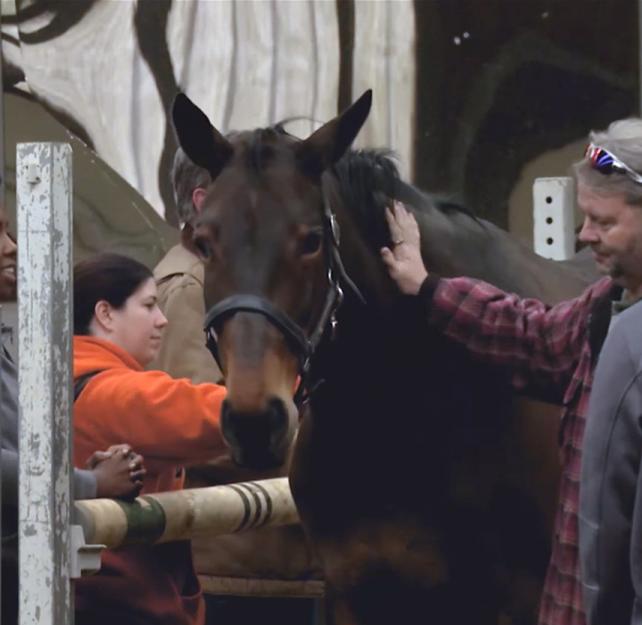
Wounded Warrior Project wants vets to return home and thrive in their communities. With that in mind, WWP offers a continuum of supports and services for vets to address mental health, brain health, and physical health well-being. Acting collaboratively, WWP staff work to find the best program or combination of programs to fit an individual’s needs.
There is some good research showing that the use of psychedelics may be beneficial in combination with psychotherapy for treating PSTD, but more research and more comprehensive data are needed before fully implementing them as a viable option.
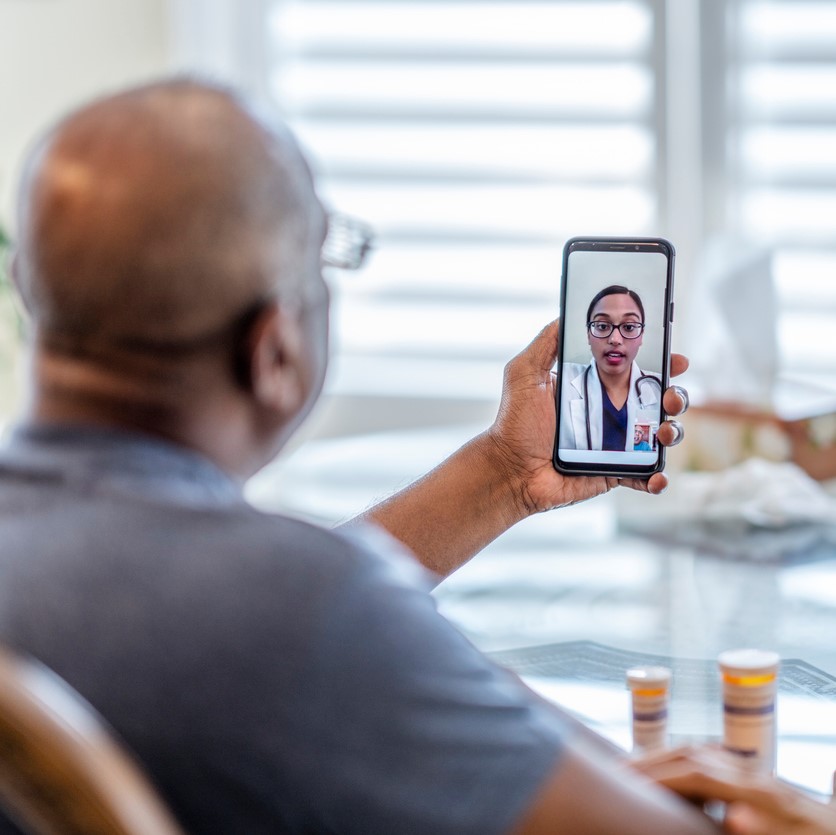
To help more veterans who are experiencing PTSD get the treatment they need to heal and move forward in their lives, many mental health providers have joined PSYPACT, which allows them to provide telehealth care outside the state(s) in which they have licensure. So far, 22 out of 50 states are part of the organization. Learn more here.
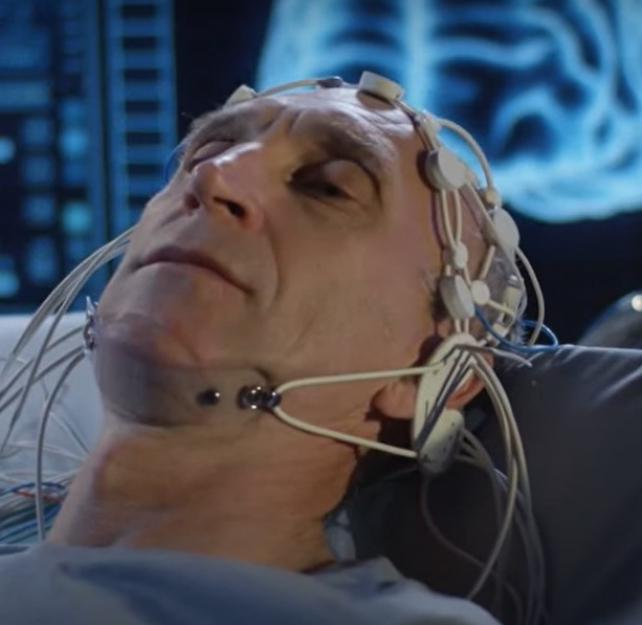
Looking at a person’s heart rate, skin conductance, or other ways the physical body reacts to the stressors of PTSD offers providers a more nuanced path toward understanding how PTSD impacts a person’s life and in what ways treatments can alter those physical and emotional reactions.
Treating PTSD in post-9/11 and other veterans is best undertaken with experts in prolonged exposure and cognitive processing therapy. Experts in these therapies can be found in person or via telehealth through the Warrior Care Networks. WCN providers also share their treatment models with primary care doctors and buddy system programs to expand their reach.
The road to recovery from traumatic memories and PTSD can be very difficult. But providers know how to help a person at each stage—getting past roadblocks, setting goals, and collaboratively planning how to take the steps toward positive, long-term changes.
Two of the most researched and effective treatments for PTSD are prolonged exposure and cognitive processing therapy. The first involves approaching instead of avoiding traumatic memories, the second working on changing thought patterns to reduce the impact of the trauma. With the help of an experienced provider, people can be successfully treated for PTSD.
Using data from ongoing research studies on the efficacy of treatments and interventions for PTSD, chronic pain, depression, TBI, and substance abuse is crucial when helping current and future patients. Most importantly, data shows that PTSD is highly treatable.
Emory Healthcare Veterans Program’s two-week PTDS Treatment intensive for post-9.11 vets is a convenient and effective means for people to get needed treatment for PTSD, TBI, depression, chronic pain, and substance abuse from home. The results are the same whether accessing care via telehealth or on site.
Experiencing PTSD and chronic pain simultaneously can sometimes lead to suicidal thoughts. But with guidance from family and friends to find the right resources and professionals, people can access highly effective combined treatments that help them return to a full life—physically and emotionally.
Most people who experience a trauma will not develop PTSD. But whether from a natural disaster, car crash, combat exposure, or sexual assault, those who develop PTSD tend to avoid dealing with the trauma’s “stuck memories” or feel unable to handle negative emotions and experiences.
PTSD develops from a traumatic “stuck memory” and all the consequences of that memory not getting processed, resolved, or grieved. But it can be effectively treated, not simply managed.
The five-year study, published JAMA Psychiatry, found that telepsychiatry in rural, federally qualified health centers was a resounding success for patients who had screened positive for bipolar disorder and/or post-traumatic stress disorder (PTSD).
The Veterans Health Administration continues researching ways to reduce the impact of the most serious injuries U.S. troops suffered in conflicts in both Afghanistan and Iraq.
The group rushed down the halls and stairways as a growing trail of people followed. All searched for a path to safety. The security at the Pentagon, meant to keep enemies from breaching its perimeter, had trapped them within the fortified walls.
People get mad in Starbucks because their coffee drink is not right. Really? How can I deal with non-military people who seem to have no idea what we have all gone through?
I’ve lost several battle buddies to suicide. I didn’t know it was that bad for them. How could I have helped them? What do I do when I start to feel that there is no other option?